
 English
 Español
 Deutsch
 عربى
عربى
 +86 17398543323
 +86 17398543323
Lishui City Jialida Bearing Co., Ltd. is a company specializing in R&D, production and operation of linea motion series transmission components.
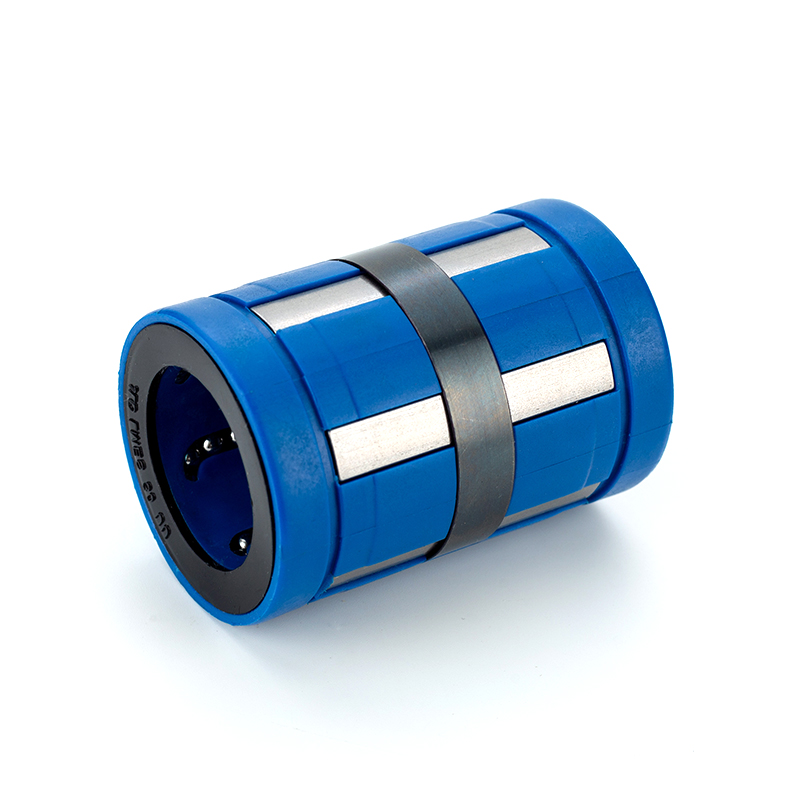
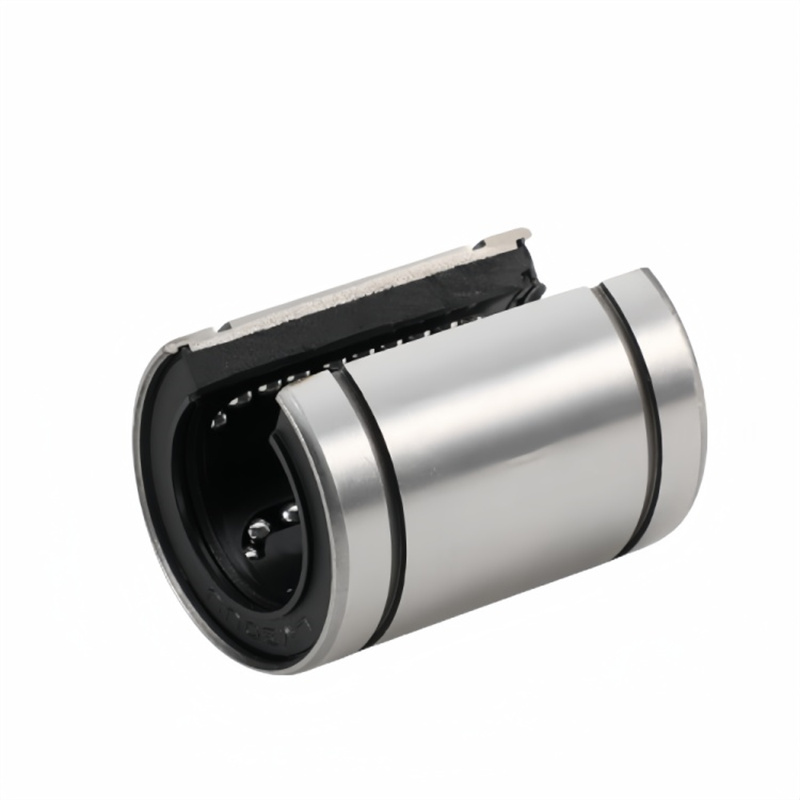
Enhanced Adaptive Stable Linear Bearings
LMES
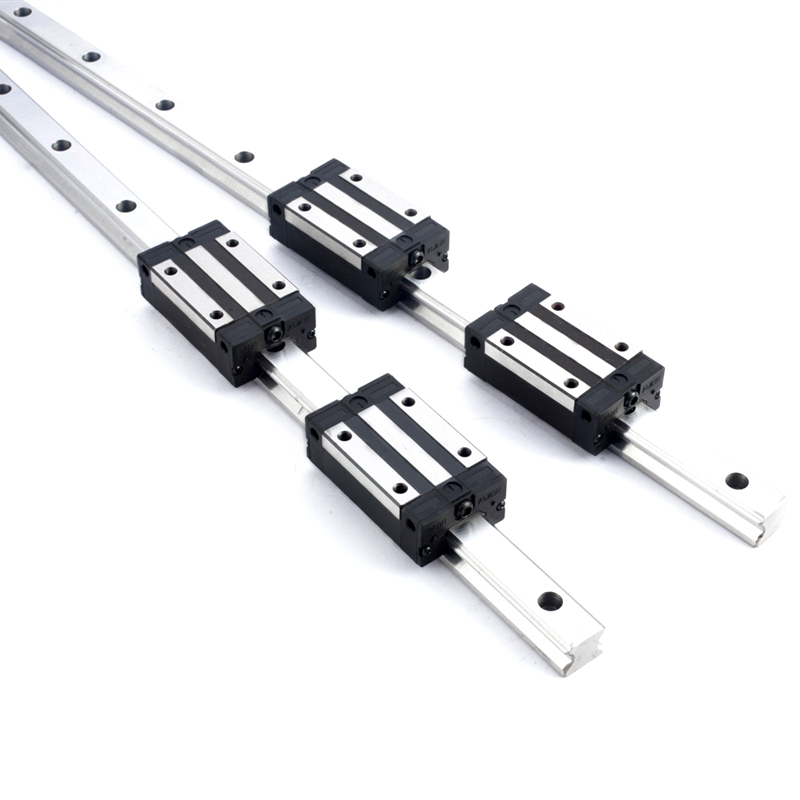
A primary factor in ensuring the long-term performance and accuracy of any CNC machine tool is the proper care of its core components. Among these, the CNC linear guide rail system demands specific attention, as its function directly translates to the machine's movement precision. Selecting and applying the correct lubrication is not merely a maintenance task; it is a fundamental practice for preserving the designed motion characteristics and protecting the investment in the machinery.
Lubrication in a linear guide system serves multiple, interconnected purposes. Its primary function is to separate the rolling elements—balls or rollers—from the raceway surfaces with a consistent film, thereby reducing direct metal-to-metal contact and the friction that results from it. This separation directly influences the system's operational temperature, noise levels, and the energy required for movement. Furthermore, a suitable lubricant acts as a protective barrier against environmental factors such as moisture and airborne particulate contamination, which can lead to corrosion and abrasive wear. Effective lubrication mitigates these issues, helping to maintain the system's original accuracy and postponing the need for service or replacement.
Linear guide systems commonly use two main forms of lubricants: greases and oils. Greases are widely used due to their convenience and ability to stay in place. They consist of a base oil held within a thickener. The choice of a specific grease often depends on the base oil's properties—some are formulated for stability across a range of temperatures, while others may offer enhanced resistance to washout from coolants. The consistency of the grease, often indicated by its NLGI grade, affects its pumpability and suitability for automatic systems versus manual application.
Oils are sometimes employed in specialized circumstances. They may be used in centralized lubrication systems that service multiple points on a machine or in applications where very high speeds generate heat that requires efficient dissipation. However, oils generally require more complex sealing arrangements to prevent leakage. In environments where traditional lubricants are not suitable, such as in cleanrooms or under high vacuum, solid lubricants or coatings provide an alternative, though often with different performance trade-offs regarding friction and load capacity.
The method of applying the lubricant is as significant as the lubricant choice. Manual lubrication, while straightforward, relies on disciplined adherence to a schedule. It involves using clean tools to apply lubricant through designated fittings, taking care to purge old grease without introducing contaminants. For consistent and reliable lubrication, automated systems are often integrated. These systems deliver a measured amount of lubricant at programmed intervals, ensuring that the guideways receive attention even during extended unmanned operation. This consistency can be important for preventing both under-lubrication, which leads to wear, and over-lubrication, which can cause increased operating resistance and attract dirt.
Developing a lubrication schedule involves considering the machine's operating conditions. Factors such as the load on the guides, the speed and frequency of travel, the presence of contaminants like cutting chips or dust, and the ambient temperature all influence how often lubrication is needed. A machine running multiple shifts under heavy load in a dusty environment will require more frequent lubrication than one used intermittently for lighter work in a controlled setting.
Indicators of lubrication problems often become apparent through changes in machine operation. Unusual sounds, such as scraping or chattering from the guideway area, can signal that the lubricant film has broken down. A noticeable increase in the force required to move the axis or a gradual loss of positional accuracy may also point toward inadequate lubrication. Visually, a lubricant that appears excessively dark or contains visible metallic particles suggests significant wear is occurring. Addressing these signs promptly involves cleaning the guideway area thoroughly, inspecting seals for damage, and re-lubricating with the correct product. Establishing a regular, condition-based monitoring routine helps identify these issues before they develop into failures that halt production.
Maintaining proper lubrication for CNC linear guide rail systems is a fundamental aspect of machine tool stewardship. By understanding the purpose of lubrication, selecting appropriate products for the application, and implementing a disciplined method of delivery, machine operators and maintenance personnel can directly influence system longevity and performance. This proactive approach supports consistent part quality, reduces unplanned downtime, and protects the functional integrity of the machine's critical motion components, making it an essential practice in any workshop.

Lishui City Jialida Bearing Co., Ltd. is a company specializing in R&D, production and operation of linea motion series transmission components.
Copyright © Lishui City Jialida Bearing Co., Ltd. All rights reserved.
