Introduction to LM OP & LMB OP Linear Bearings | High-Precision Flangeless + Standard Flange Dual Series, Adapting to Multi-Scenario Industrial Transmission Needs
Product Overview and Basic Definition
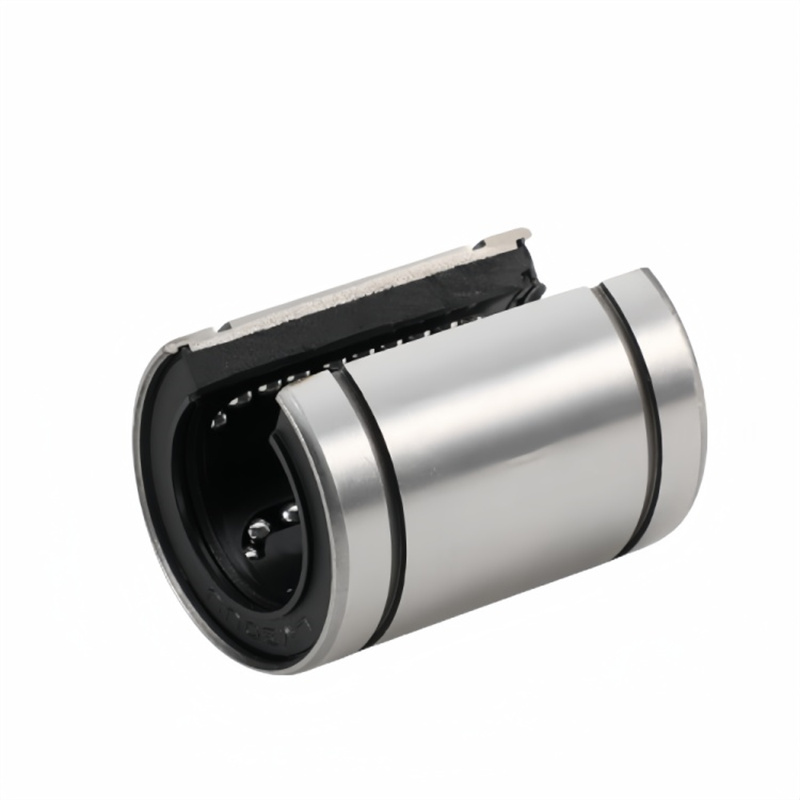
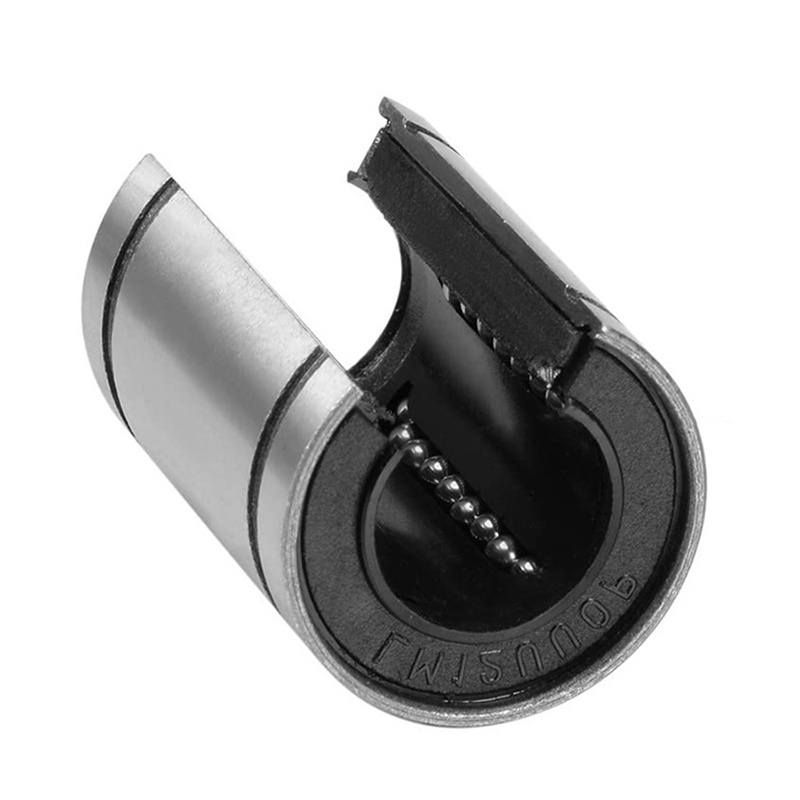
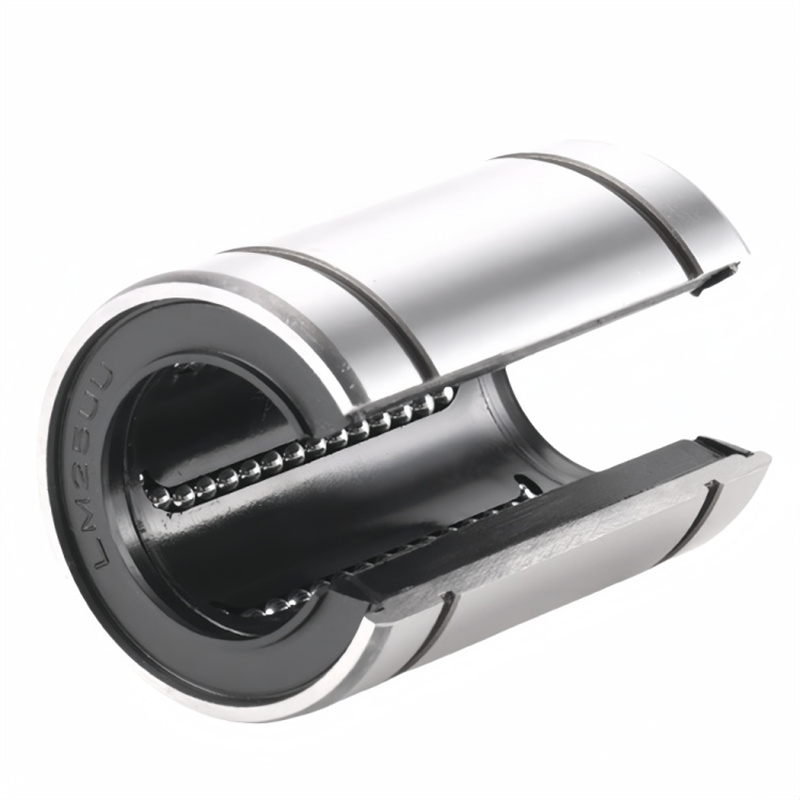
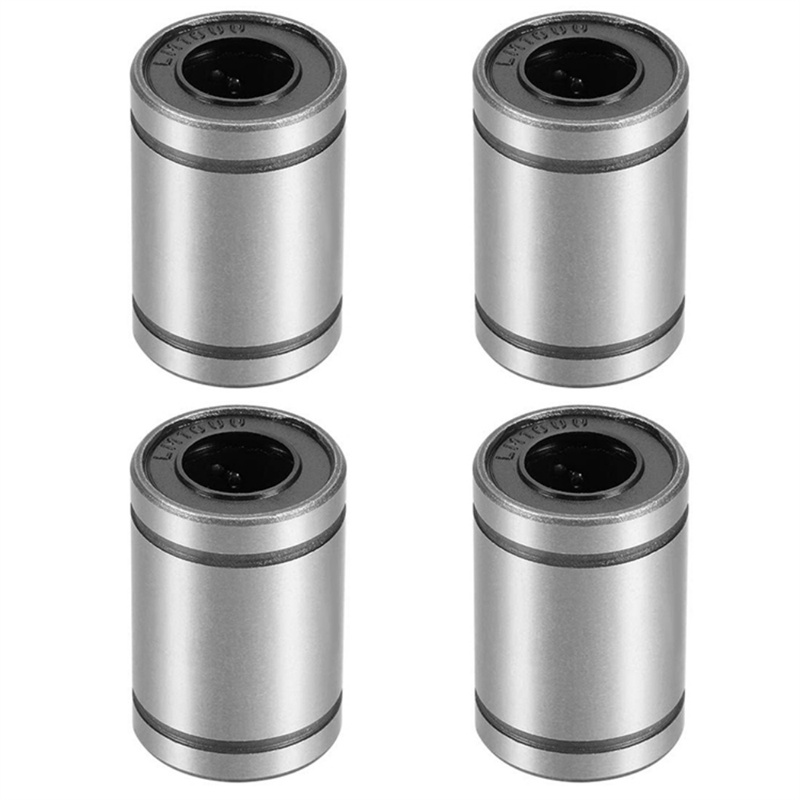
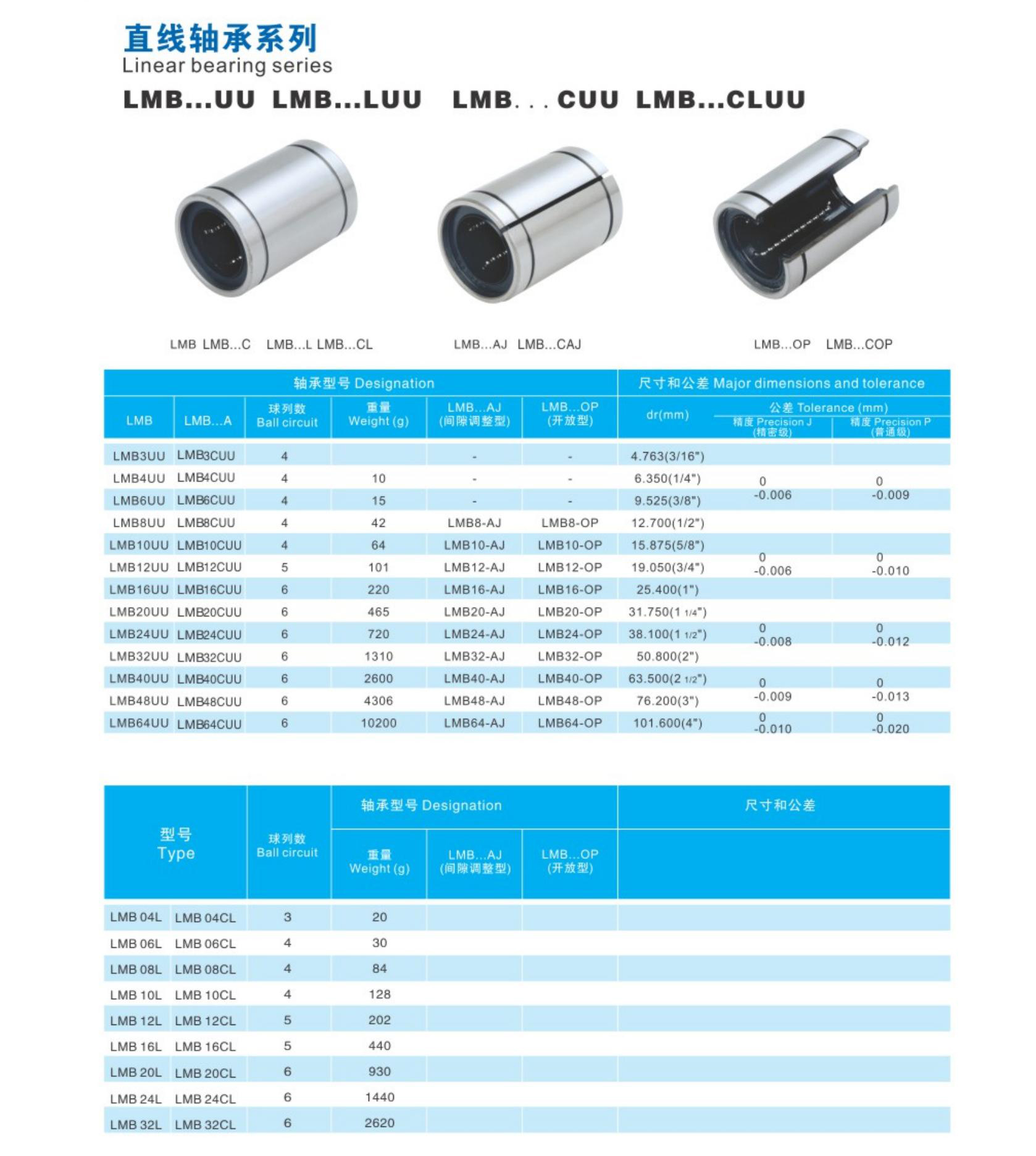
As the "joints" of industrial machinery, linear bearings are the core basic components that ensure the accuracy and stability of equipment linear motion, widely used in precision machine tools, automated equipment, new energy equipment and many other fields. Although the two linear bearings, LM OP and LMB OP, both belong to the standard series of linear ball bearings, they have significant positioning differences — LM OP is a flangeless standard linear bearing, focusing on lightweight and generalization; LMB OP is a round flange standard linear bearing, emphasizing convenient installation and stable positioning. The two products complement each other to adapt to different installation scenarios, and have become the preferred supporting components for industrial equipment linear transmission by virtue of their core advantages of low friction, high precision and high durability.
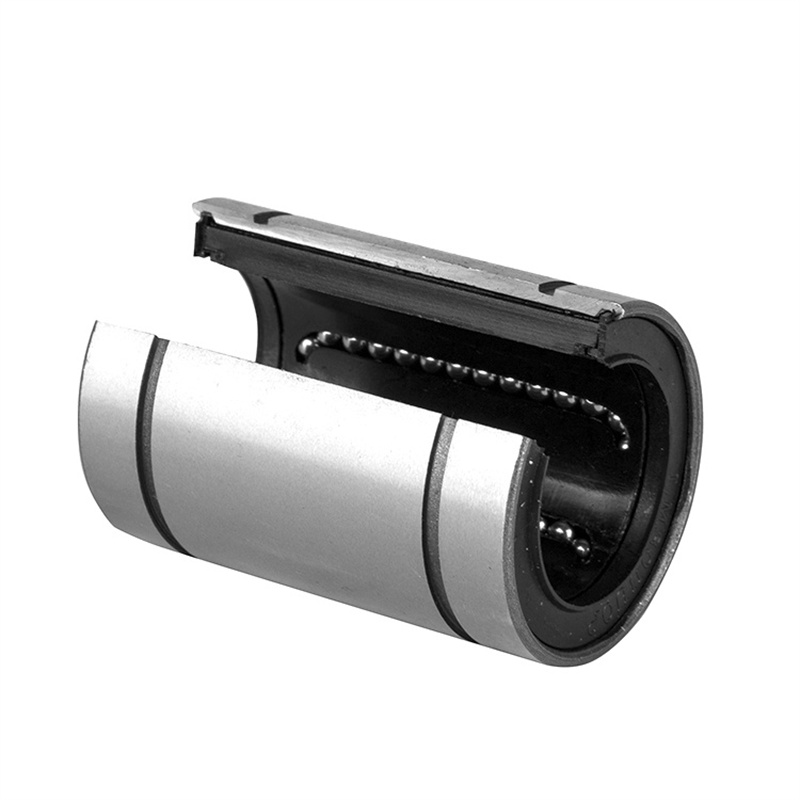
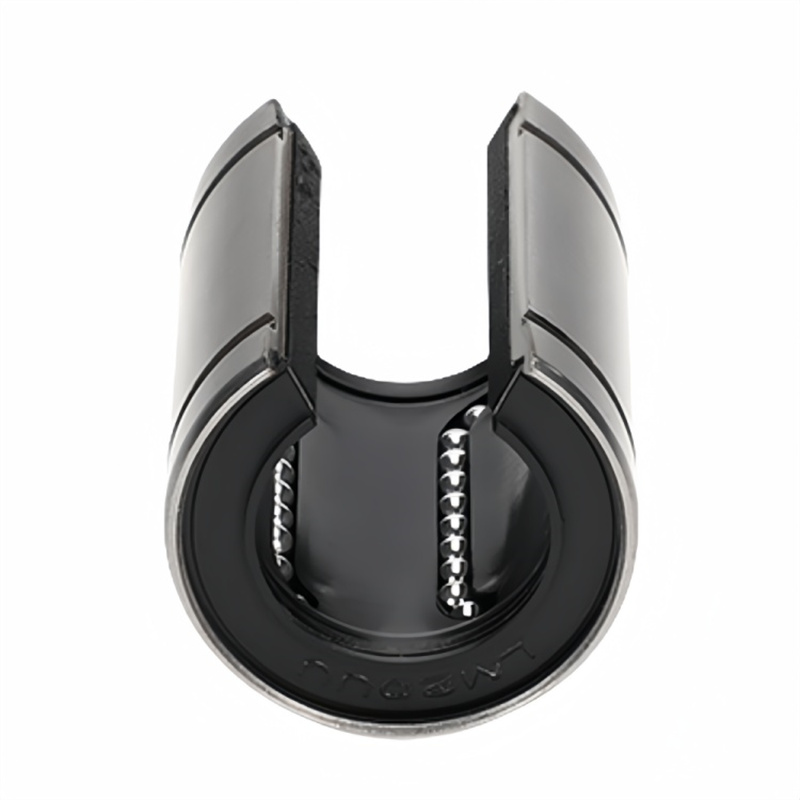
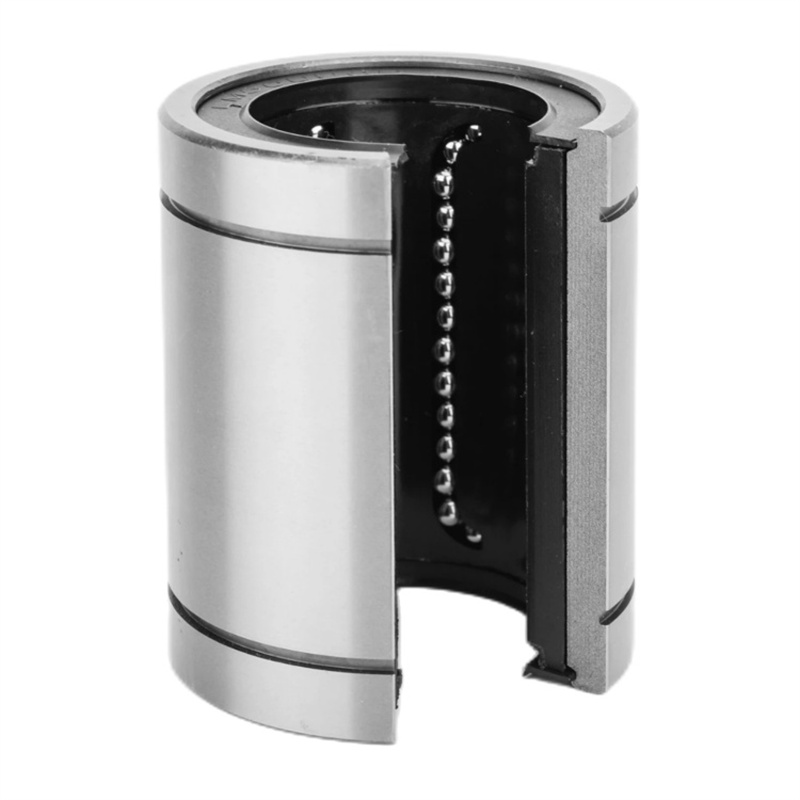
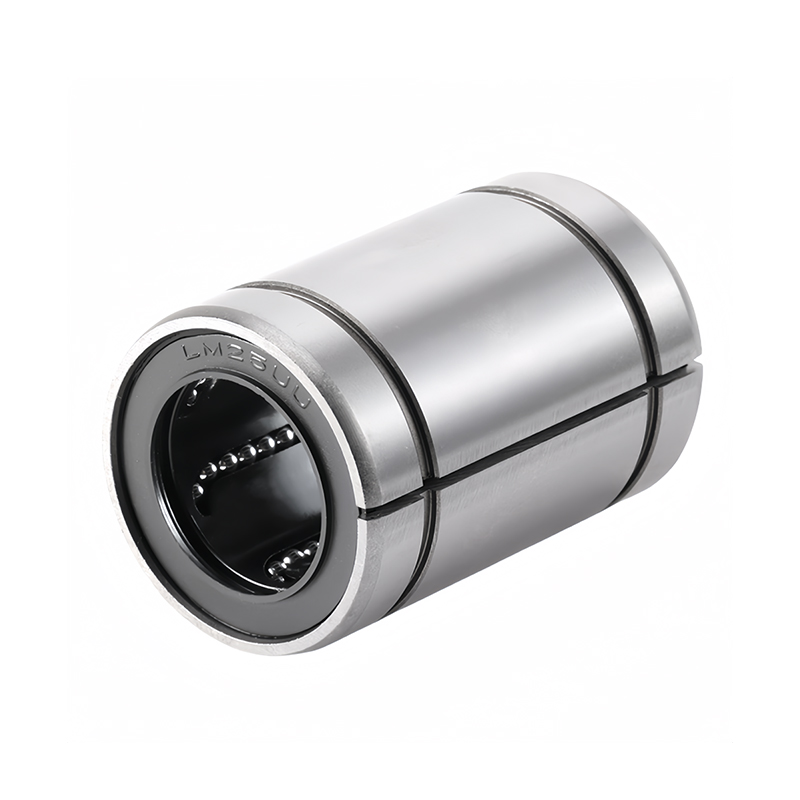
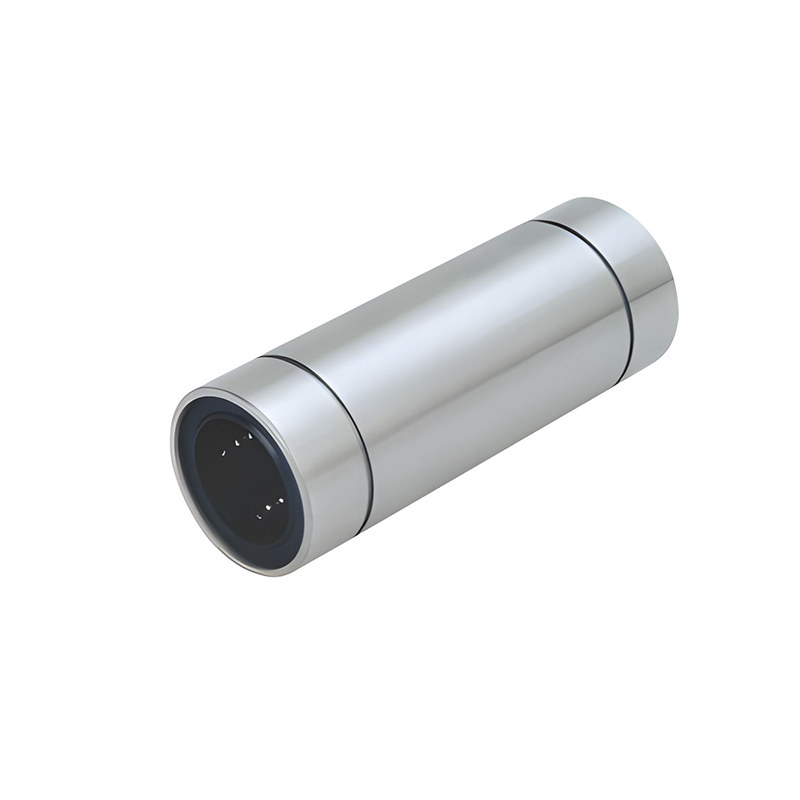
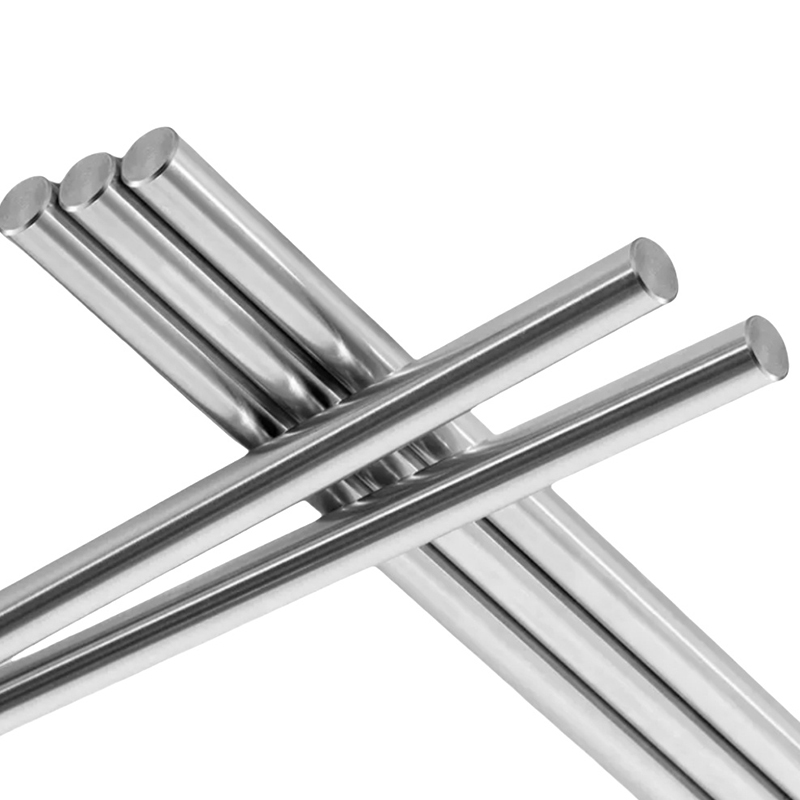
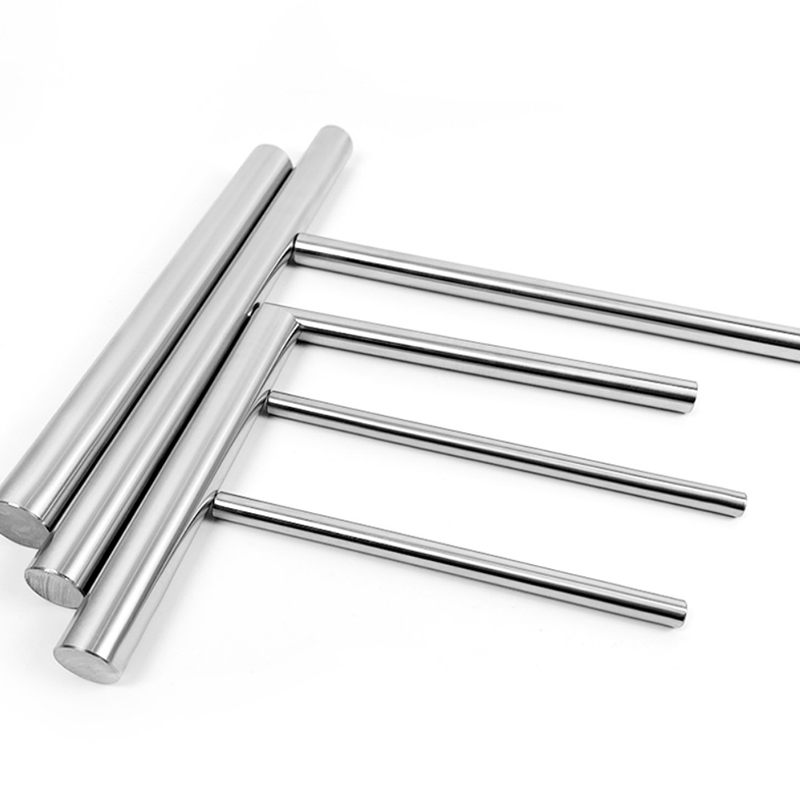
The model codes of the two bearings contain clear structural characteristics and follow the industry general code rules: "L" both represent linear bearings, "M" is the standard series identifier; "OP" is the common suffix of the two products, representing the standard sealing configuration (single-end/double-end seal, suitable for conventional industrial working conditions). The difference lies in the flange design — LM OP has a flangeless structure, with no additional flange identifier after "LM", focusing on simplicity and generalization; "B" in LMB OP refers to an integrated round flange, which balances convenient installation and structural stability. The main bodies of both bearings are composed of a high-carbon chromium bearing steel outer cylinder, precision bearing steel balls, a high-strength cage and OP-type seals. Used in conjunction with a matching quenched linear optical axis, they achieve low-friction, high-smoothness infinite-stroke linear reciprocating motion through ball point-contact rolling, conforming to the core characteristics of linear bearings: "low friction, high precision and stable motion".
Core Structure and Core Advantages (Comparison of the Two Models)
The two products share the basic advantages of the standard series, and at the same time form complementarity based on structural differences to adapt to different installation needs. The core advantages are as follows:
1. LM OP Flangeless Standard Linear Bearing: Its core advantages lie in lightweight, generalization and wide adaptability. The flangeless design makes its overall structure compact, small in size and lighter in weight. It does not require an additional flange seat, and can be directly embedded into the reserved installation position of the equipment, adapting to scenarios with limited installation space and no need for additional positioning, especially suitable for small equipment and lightweight transmission mechanisms. Compared with flange-type bearings, it is more flexible in assembly, can flexibly adjust the installation angle according to equipment needs, and inherits the high rigidity of the standard series, effectively avoiding slight deflection during linear motion, ensuring motion stability and meeting conventional precision requirements.
2. LMB OP Round Flange Standard Linear Bearing: Its core advantages lie in convenient installation, accurate positioning and stable structure. The integrated round flange and the bearing body are integrally formed, processed by precision grinding, with high concentricity and outstanding structural strength. It can be directly fixed on the equipment frame with bolts, without the need for additional bearing seats, simplifying the assembly process and improving installation efficiency, while effectively preventing bearing rotation and enhancing the rigidity and stability of the overall transmission structure. The round flange design fits the flat installation surface of the equipment, with higher positioning accuracy, adapting to conventional industrial scenarios that have certain requirements for installation stability and positioning accuracy, making up for the shortcoming of insufficient positioning of flangeless bearings.
In addition, both products adopt a standard rolling structure. The point-contact design between steel balls and raceways minimizes friction resistance, ensuring smooth operation without jamming. At the same time, they have excellent radial load-bearing capacity, which can easily meet the linear transmission needs of conventional speed and conventional load, perfectly adapting to the use requirements of most general industrial scenarios.
Material Technology and Sealing Guarantee
Both bearings adhere to high-quality manufacturing standards, with completely consistent materials and processes, and are equipped with OP-type sealing structures, balancing durability and practicality, and adapting to conventional industrial working conditions:
In terms of materials, both adopt high-carbon chromium bearing steel (GCr15) as the main material, processed by vacuum quenching and low-temperature tempering, with a hardness of HRC58-62 and a surface roughness controlled below 0.8μm. They have outstanding wear resistance, corrosion resistance and fatigue resistance, can bear conventional loads for a long time, extend service life, and conform to the core requirements of bearing steel: "high hardness and high wear resistance". The internal precision steel balls are strictly selected, with uniform size and accurate roundness, matched with a high-strength engineering plastic cage to guide the smooth cyclic rolling of steel balls, without jamming or abnormal noise. The operating noise is as low as 48dB, meeting the mute requirements of conventional industrial equipment.
In terms of sealing, both adopt OP-type standard sealing structures, which can effectively block common impurities in industrial scenarios such as dust, iron chips and slight cutting fluid from entering the bearing interior, maintain the cleanliness of the internal lubricating grease, reduce the wear of steel balls and raceways, lower the risk of jamming, extend the bearing service life, and reduce equipment maintenance frequency and operation and maintenance costs. They are suitable for conventional dusty and lightly polluted industrial working conditions, without the need for additional sealing protection measures, balancing practicality and economy.
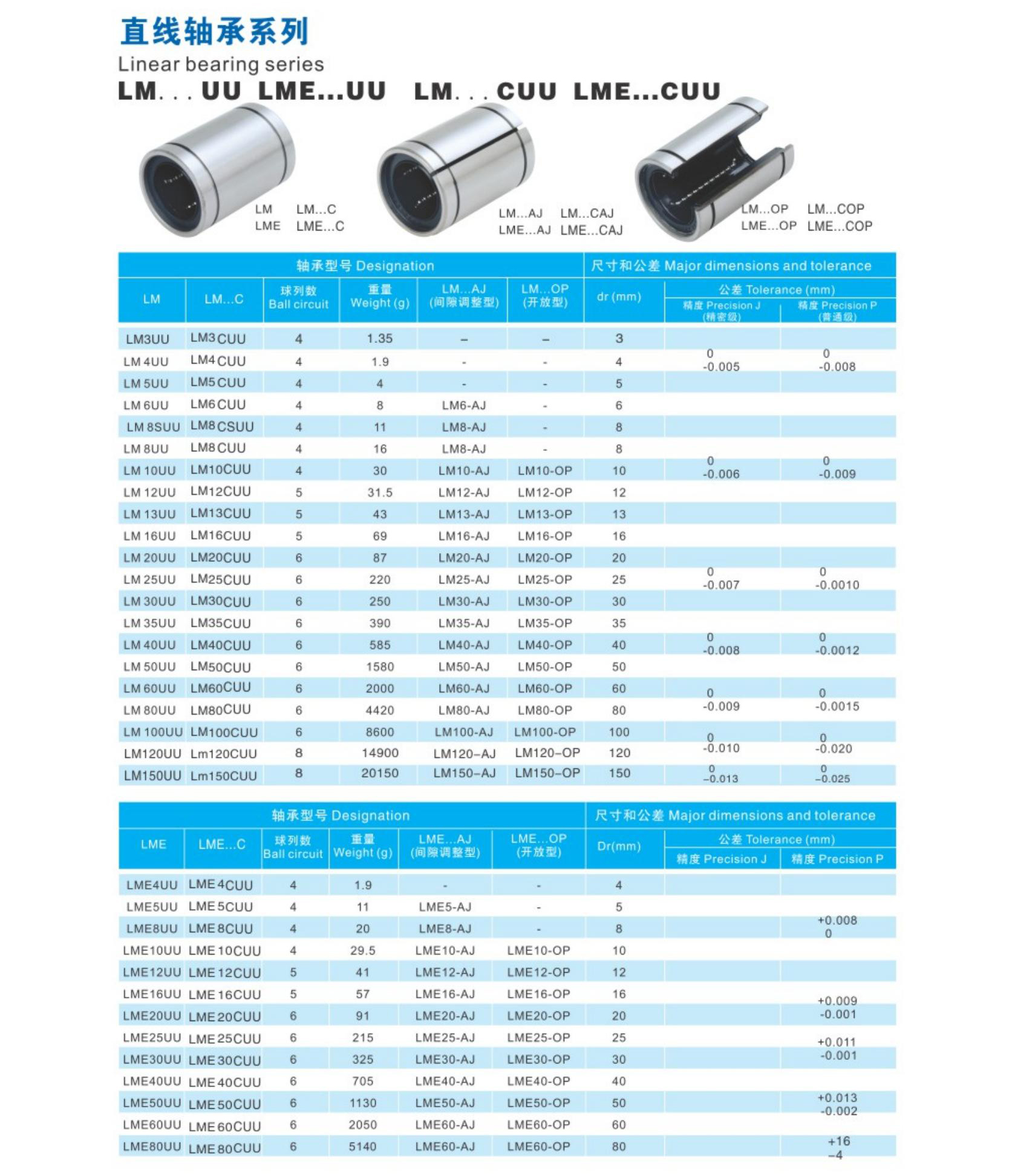
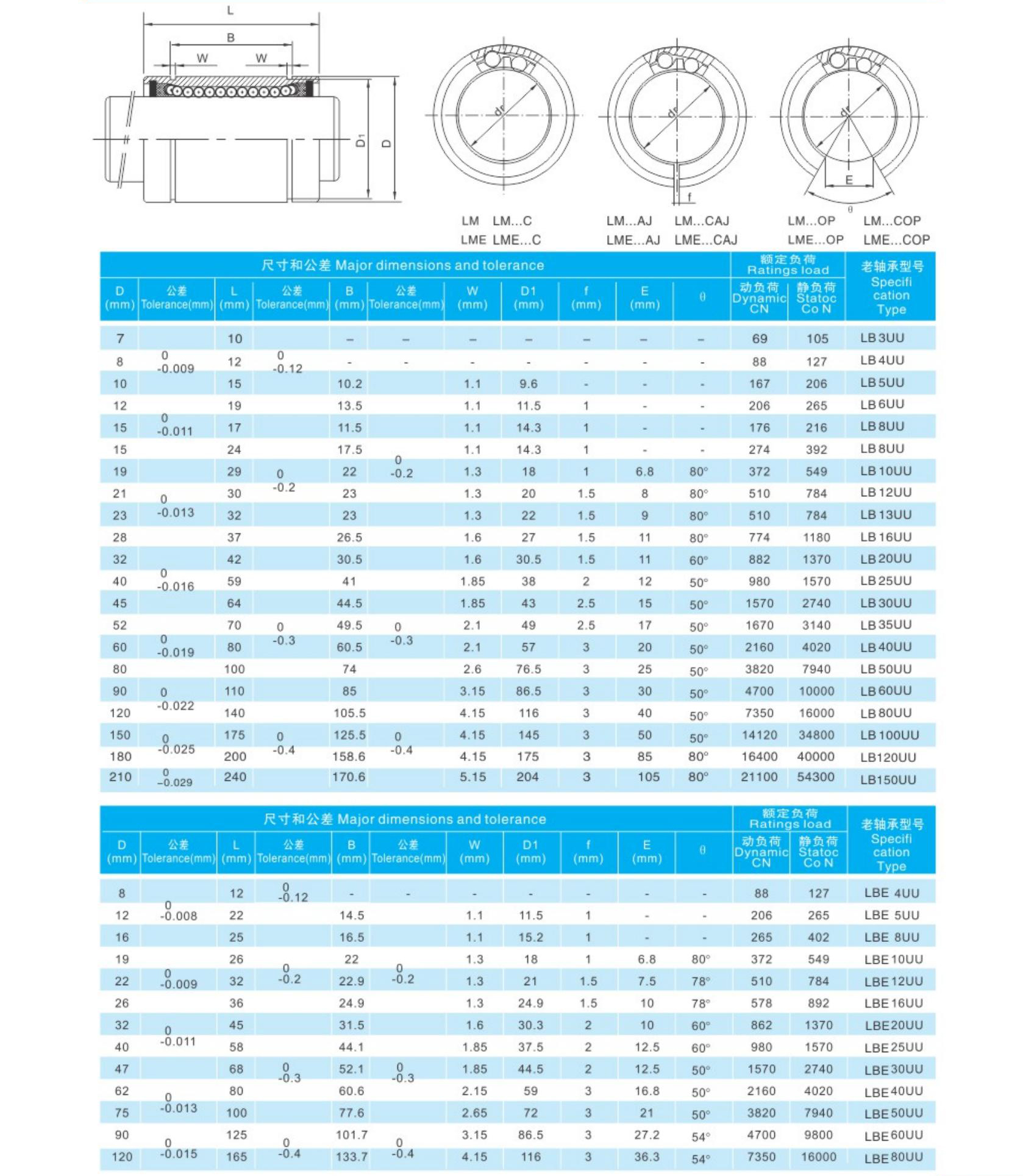
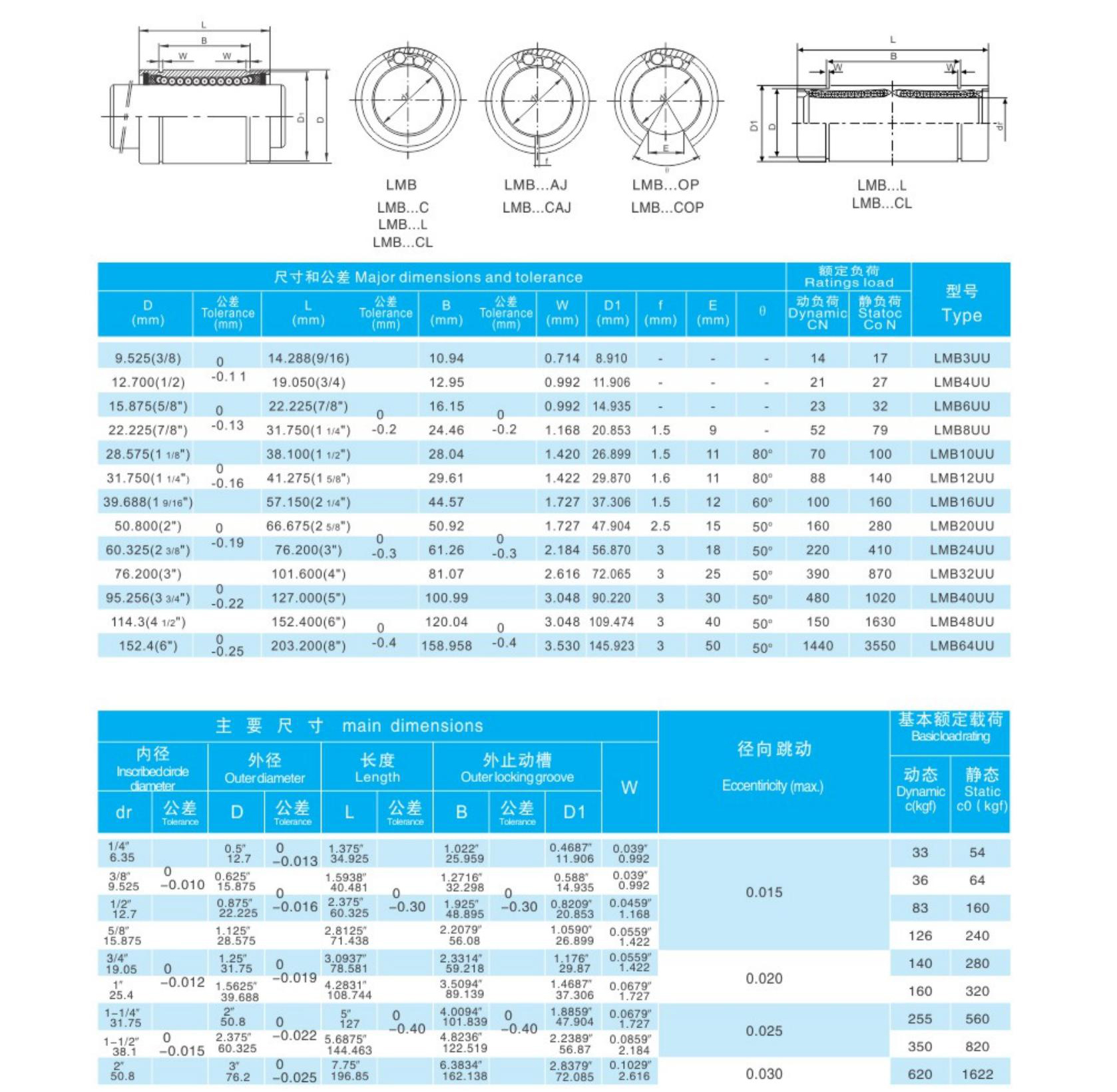
In terms of dimensions, both products follow international general standards, covering full-specification models with inner diameters from 6mm to 60mm (such as LM6OP, LM16OP, LMB8OP, LMB25OP, etc.), with strong interchangeability. They can directly replace imported or domestic bearings of the same specification, with wide adaptability, no need to modify the equipment installation position, and reduce replacement and procurement costs.
Application Scenarios and Core Value (Adaptation of the Two Models)
With their structural complementarity, LM OP and LMB OP linear bearings fully cover various general industrial scenarios, accurately adapting to different installation needs. The specific application scenarios are as follows, perfectly conforming to the industry characteristic of linear bearings: "widely used in sliding parts of industrial machinery such as precision machine tools, textile machinery and packaging machinery":
LM OP Flangeless Standard Type: It is mainly suitable for small equipment, lightweight transmission mechanisms and scenarios with limited installation space, including: small automated equipment, micro manipulators, 3D printers (desktop level), electronic equipment assembly lines, small instruments and meters, precision measuring tools, small textile machinery, food packaging machinery (small models), etc. Its core value lies in lightweight and flexible assembly, providing stable and accurate linear guidance for small equipment, balancing cost performance and practicality.
LMB OP Round Flange Standard Type: It is mainly suitable for conventional industrial scenarios that have certain requirements for installation stability and positioning accuracy, including: CNC machine tools (conventional lathes, milling machines), automated production lines (conveyors, sorting equipment), packaging machinery (labeling machines, filling machines), textile machinery (carding machines, winding machines), precision instruments, medical equipment (small testing instruments), laser engraving machines (conventional models), pneumatic equipment, etc. Its core value lies in convenient installation and stable positioning, improving the stability and accuracy of equipment transmission, and reducing assembly and maintenance costs.
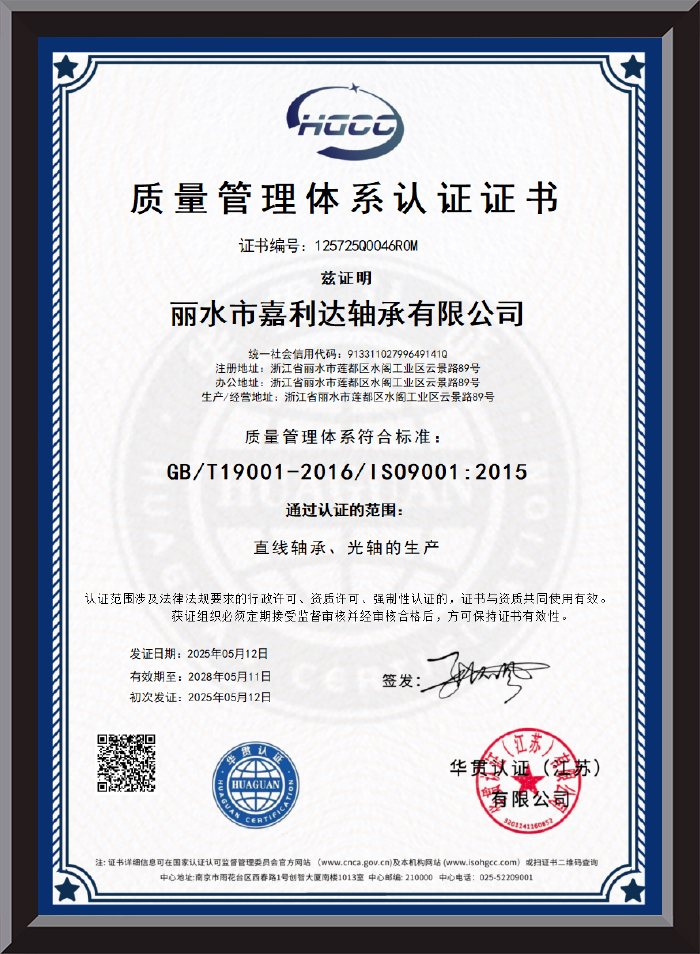
Both products are based on precision manufacturing and centered on stable performance, complying with the ISO9001 quality system standard. Each set of bearings undergoes multiple precision inspection processes to ensure the consistency and reliability of product quality. As a general-purpose linear bearing series, LM OP and LMB OP, with the advantages of high cost performance, strong adaptability, easy installation and long service life, help enterprises reduce equipment procurement and operation and maintenance costs, improve equipment operation efficiency, adapt to various general industrial linear transmission scenarios, become the core supporting components for industrial equipment "accurate transmission and stable operation", and promote the general equipment manufacturing industry to develop in a more efficient and stable direction.


 English
 Español
 Deutsch
 عربى
عربى
 +86 17398543323