
 English
 Español
 Deutsch
 عربى
 +86 17398543323

 +86 17398543323
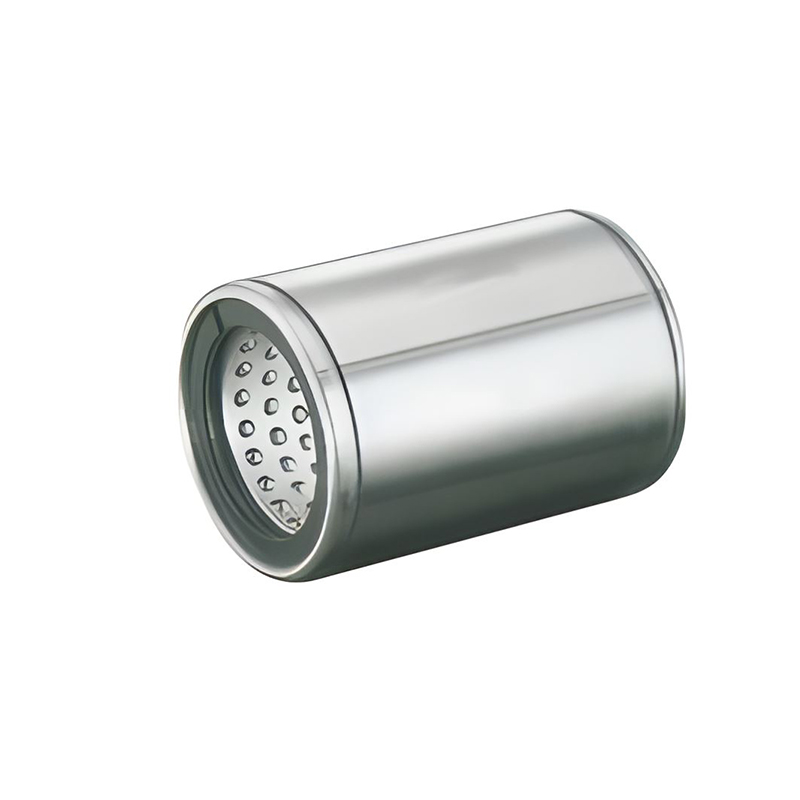
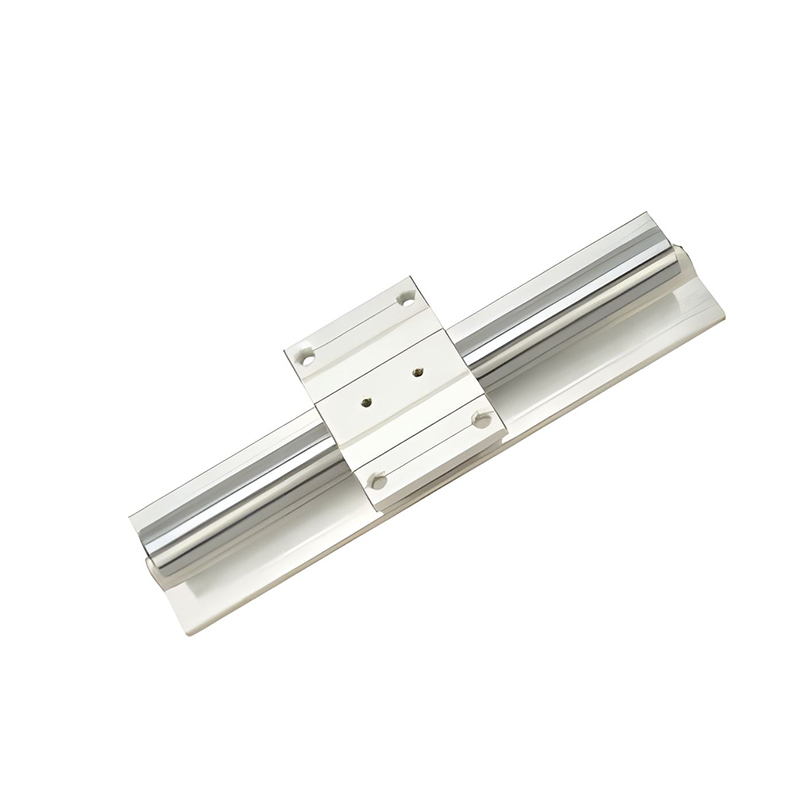
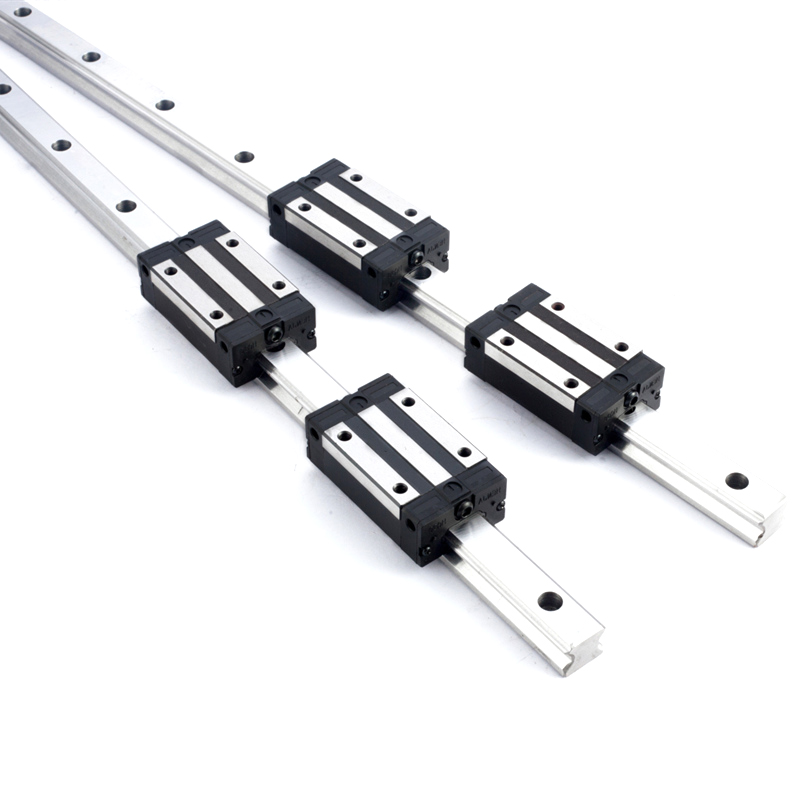
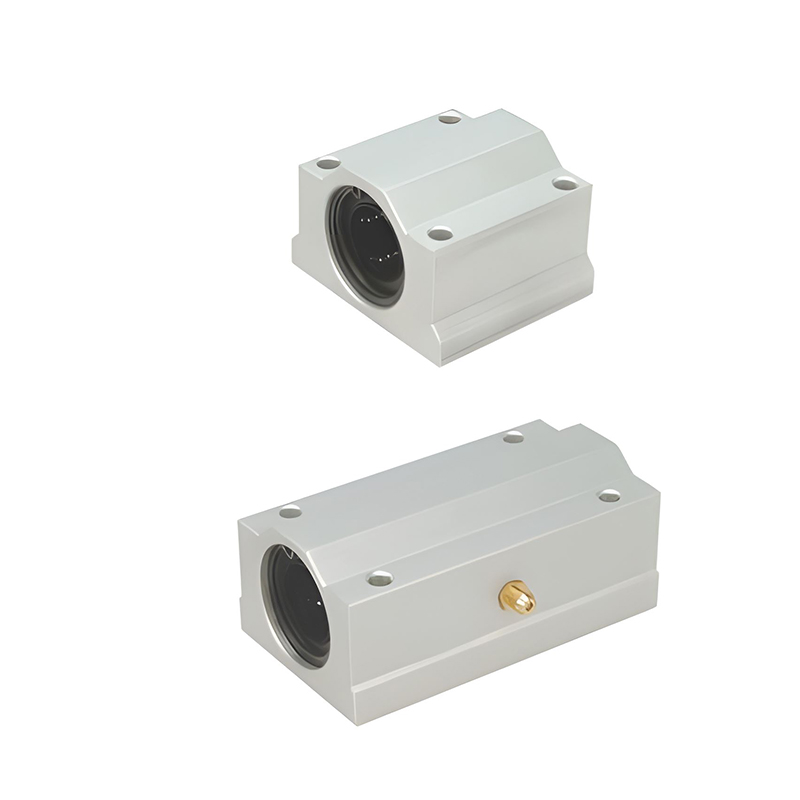
Lishui City Jialida Bearing Co., Ltd. is a company specializing in R&D, production and operation of linea motion series transmission components.
Enhanced Adaptive Stable Linear Bearings
LMES
Industrial equipment operating outdoors or in demanding production environments faces constant exposure to moisture, dust, vibration, and changing temperatures. These conditions can accelerate component deterioration when bearing materials are poorly matched to the application. A Ball joint rod end bearing must provide reliable articulation while handling the forces and environmental challenges associated with its installation. For equipment manufacturers, maintenance teams, and international buyers, selecting suitable materials and protective features is an important step toward improving service reliability and controlling replacement costs.
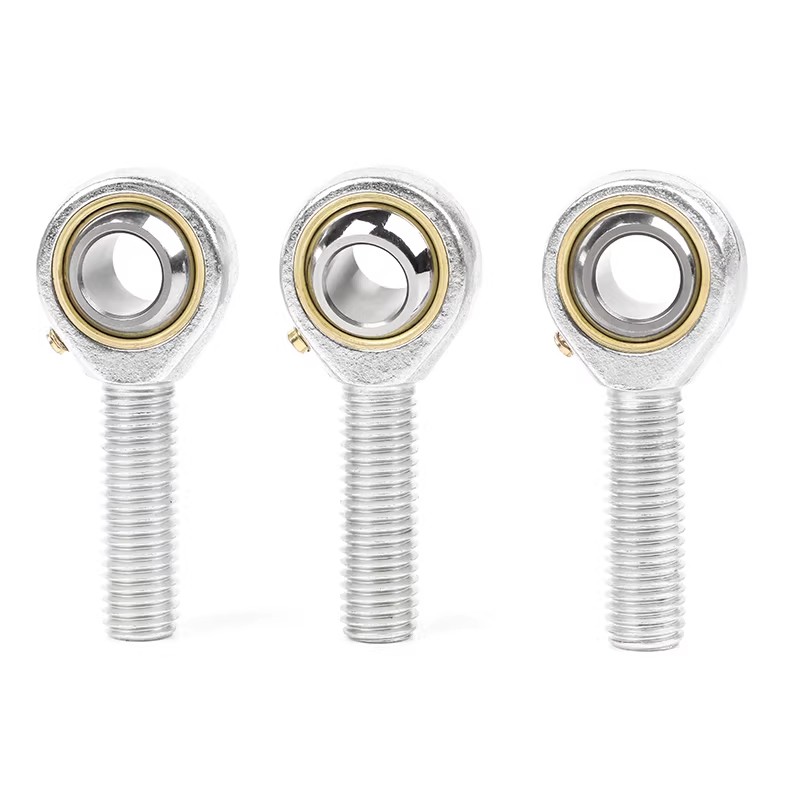
Corrosion can weaken exposed surfaces, damage threads, and interfere with smooth joint movement. Carbon steel rod ends are widely used in general industrial applications, while stainless steel versions may be more suitable for equipment exposed to moisture or corrosive substances.
However, stainless steel should not be treated as a universal solution. Different grades offer different corrosion resistance and mechanical properties, and the surrounding environment must be considered carefully. Protective coatings can also improve the corrosion resistance of certain steel components, depending on coating quality and operating conditions.
The internal sliding surface plays an important role in friction, wear, and maintenance requirements. Metal-to-metal bearing designs can accommodate demanding mechanical conditions when their load ratings, lubrication requirements, and operating limits are properly observed. PTFE-lined designs can provide low-friction movement and reduced routine lubrication requirements in suitable applications.
When choosing between these options, engineers should assess load direction, oscillation frequency, impact, and operating temperature. A bearing used in a lightly loaded positioning linkage may require different characteristics from one installed in heavy machinery. Matching the bearing surface to the actual duty cycle helps reduce unnecessary wear and avoid unsuitable substitutions.
Fine dust and abrasive particles can enter exposed joints and increase wear between moving surfaces. Moisture may also contribute to corrosion, particularly when equipment operates outdoors or undergoes frequent washing.
Buyers should examine the complete assembly rather than focusing exclusively on the bearing itself. Depending on the application, useful protective measures may include:
These measures should be selected according to the equipment's actual exposure. Excessive protection may add cost without providing meaningful benefits in a relatively clean, controlled environment.
Temperature changes can influence lubricant viscosity, material behavior, and the performance of polymer-based sliding surfaces. Frequent oscillation may also generate localized friction and heat, especially when the bearing operates under substantial load or insufficient lubrication.
For applications involving elevated temperatures, engineers should verify the specified operating limits of the complete bearing assembly. Low-temperature environments require attention to lubricant suitability and the potential effects of thermal contraction on clearances and fit.
Providing manufacturers with realistic temperature ranges and movement conditions makes it easier to evaluate product compatibility before purchasing.
International buyers sometimes compare rod end bearings primarily by dimensions and unit price. Although these factors matter, they do not establish whether two products are interchangeable.
Before confirming an order, procurement teams should check thread direction, thread size, housing dimensions, bore diameter, load ratings, material specifications, and lubrication requirements. Installation space and the permitted articulation angle should also be verified against the original equipment design.
For replacement projects, sharing technical drawings or a sample can help the manufacturer identify dimensional differences that may not be obvious from a product description. Clear specifications also support more consistent repeat orders across maintenance cycles.
Manufacturing consistency is particularly important for buyers sourcing components for repeated production runs. Differences in machining accuracy, thread quality, surface finish, or assembly fit can complicate installation and affect overall equipment performance.
A structured quality inspection process should verify the characteristics relevant to the product specification. Depending on the design, this may include dimensional checks, thread inspection, visual examination, and appropriate functional testing. Buyers can request inspection records and agreed acceptance criteria when consistent batch quality is a purchasing priority.
Selecting a suitable bearing requires a balance of mechanical performance, environmental resistance, installation compatibility, and maintenance needs. As a manufacturer, we recommend evaluating these factors together instead of choosing a component based on material or price alone.
When sourcing a Ball joint rod end bearing, buyers can improve specification accuracy by providing the intended application, expected loads, working temperature, exposure conditions, and mounting dimensions. This information supports a more practical product recommendation and helps reduce the risk of costly mismatches. A carefully specified bearing, supported by appropriate quality control and maintenance, contributes to dependable linkage performance across a wide range of industrial applications.

Lishui City Jialida Bearing Co., Ltd. is a company specializing in R&D, production and operation of linea motion series transmission components.
Copyright © Lishui City Jialida Bearing Co., Ltd. All rights reserved.
