
 English
 Español
 Deutsch
 عربى
عربى
 +86 17398543323
 +86 17398543323
Lishui City Jialida Bearing Co., Ltd. is a company specializing in R&D, production and operation of linea motion series transmission components.
Enhanced Adaptive Stable Linear Bearings
LMES
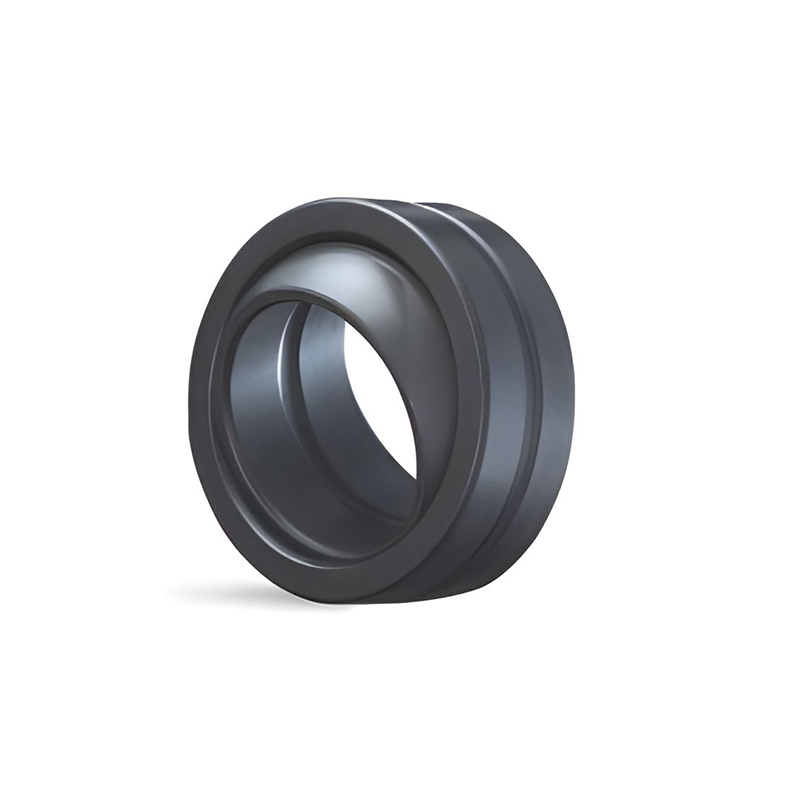
In industrial machinery, agricultural equipment, and mechanical linkage systems, small connection components can have a significant impact on operating reliability. A Ball joint rod end bearing allows connected parts to pivot while accommodating angular misalignment, helping maintain smooth movement under changing operating conditions. However, incorrect sizing, unsuitable bearing materials, and inadequate maintenance can lead to premature wear or unwanted play. As a manufacturer, we focus on helping buyers and engineers select rod end bearings that match their actual load requirements, movement patterns, and working environments.
Excessive wear does not always result from poor product quality. In many applications, the underlying problem is a mismatch between the bearing design and its operating conditions. Repeated oscillation, shock loads, vibration, contamination, and installation errors can gradually damage the sliding surfaces.
For example, a linkage operating under frequent directional changes may experience different wear patterns from one carrying a relatively steady load. Identifying these conditions before purchasing replacement components helps reduce unnecessary downtime and improves maintenance planning.
Load capacity is an essential starting point, but buyers should consider more than the maximum force listed in a product specification. Radial loads, axial forces, impact, and repeated load reversals can influence bearing performance differently.
Before selecting a rod end, engineers should evaluate:
Selecting a bearing based on actual operating conditions, rather than nominal dimensions alone, helps prevent premature failure and unnecessary replacement costs.
Bearing construction directly affects friction, wear resistance, and maintenance requirements. Metal-to-metal designs can be suitable for demanding applications involving alternating loads or impact, provided lubrication and maintenance are properly managed. PTFE-lined designs offer low-friction operation and can reduce the need for routine relubrication in suitable applications.
Neither option is appropriate for every machine. Engineers should consider load direction, oscillation frequency, temperature, and maintenance accessibility before deciding. Our manufacturing approach emphasizes matching bearing construction to the intended application instead of treating all rod end bearings as interchangeable components.
A rod end bearing accommodates angular movement, but its allowable misalignment is limited by its specific design. If the joint operates beyond its permitted angle, the housing or bearing surfaces may experience excessive contact stress, restricted movement, and accelerated wear.
During installation, check that the mating components align correctly and that the joint can move freely throughout its intended travel. Avoid forcing the assembly into position or using the bearing to compensate for major structural alignment errors. Correct thread engagement, mounting dimensions, and clearance are equally important when integrating a replacement component into existing equipment.
Dust, moisture, chemicals, and temperature fluctuations can affect bearing durability. Carbon steel may offer a practical balance of strength and cost for general industrial applications, while stainless steel can be considered where corrosion resistance is important. Surface treatments and protective features may provide additional benefits, depending on the design.
For outdoor machinery or equipment exposed to abrasive contaminants, buyers should also assess sealing arrangements and inspection requirements. Choosing materials according to the actual environment helps avoid paying for unnecessary specifications while reducing the risk of premature deterioration.
Regular inspection allows maintenance teams to identify developing problems before they affect the wider linkage assembly. The appropriate inspection interval depends on operating severity, equipment design, and the manufacturer's recommendations.
Maintenance personnel should look for:
Where equipment supports condition monitoring, recording recurring wear patterns can help maintenance teams identify unsuitable components or installation practices.
For purchasing teams, reliable sourcing involves more than comparing unit prices. Dimensional consistency, material specifications, thread configuration, quality inspection, and replacement availability all influence the long-term value of a bearing. Providing drawings, application details, and operating conditions helps manufacturers recommend a suitable configuration and identify potential compatibility issues before production.
As a manufacturer, we encourage customers to evaluate these factors together when sourcing a Ball joint rod end bearing. A well-matched component can support smoother linkage movement, more predictable maintenance, and dependable equipment operation. By combining appropriate product specifications with correct installation and inspection practices, buyers can make more informed procurement decisions and build greater confidence in their mechanical assemblies.

Lishui City Jialida Bearing Co., Ltd. is a company specializing in R&D, production and operation of linea motion series transmission components.
Copyright © Lishui City Jialida Bearing Co., Ltd. All rights reserved.
