
 English
 Español
 Deutsch
 عربى
عربى
 +86 17398543323
 +86 17398543323
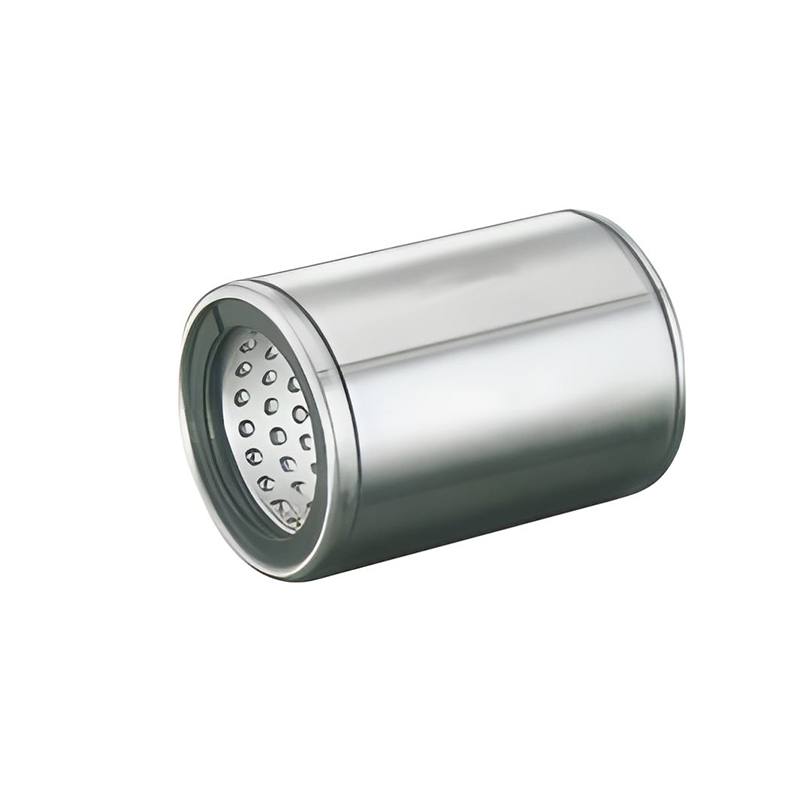
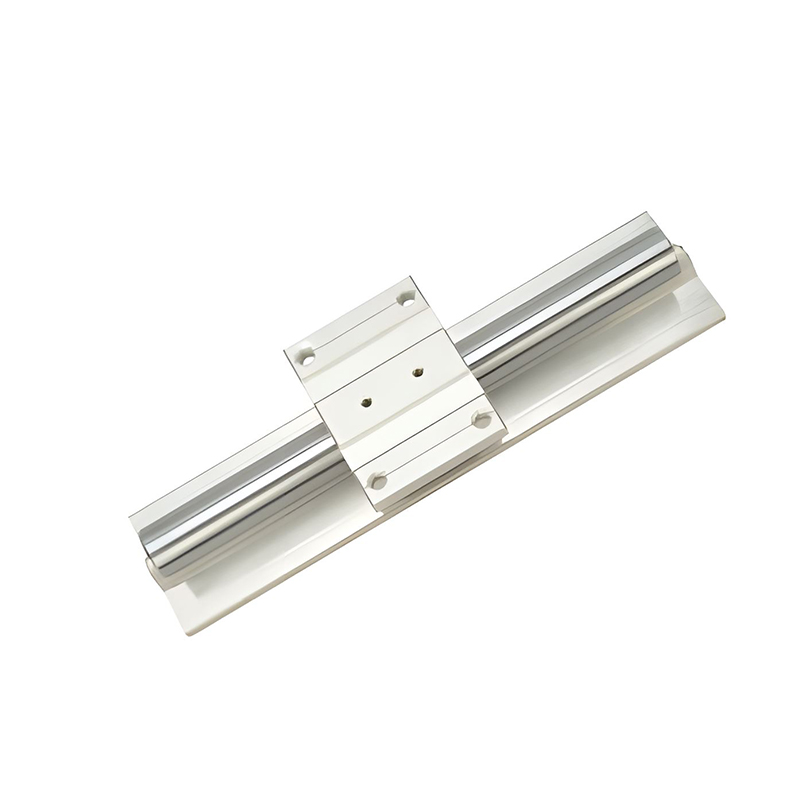
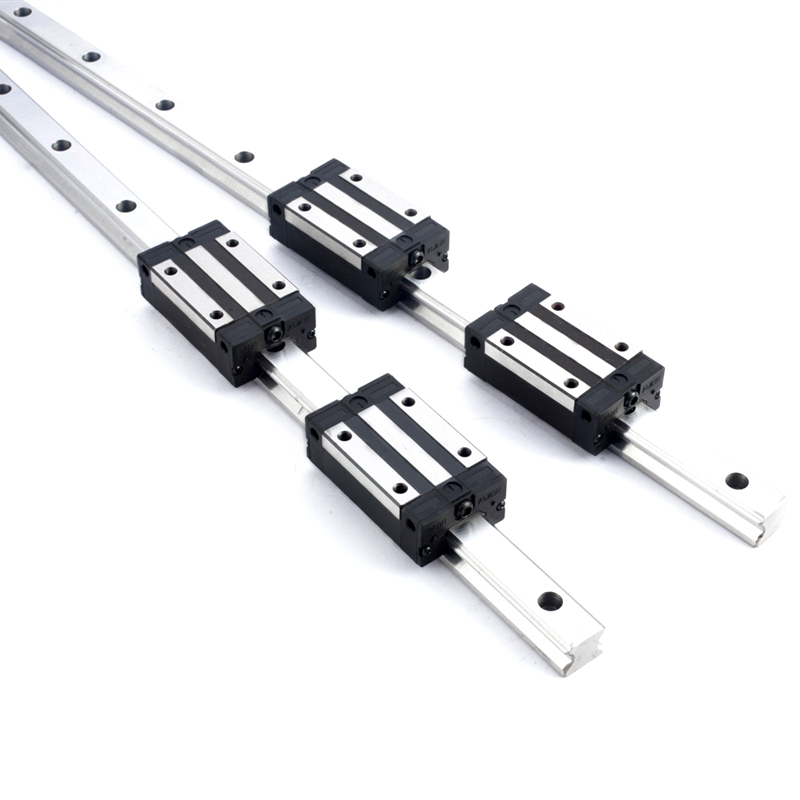
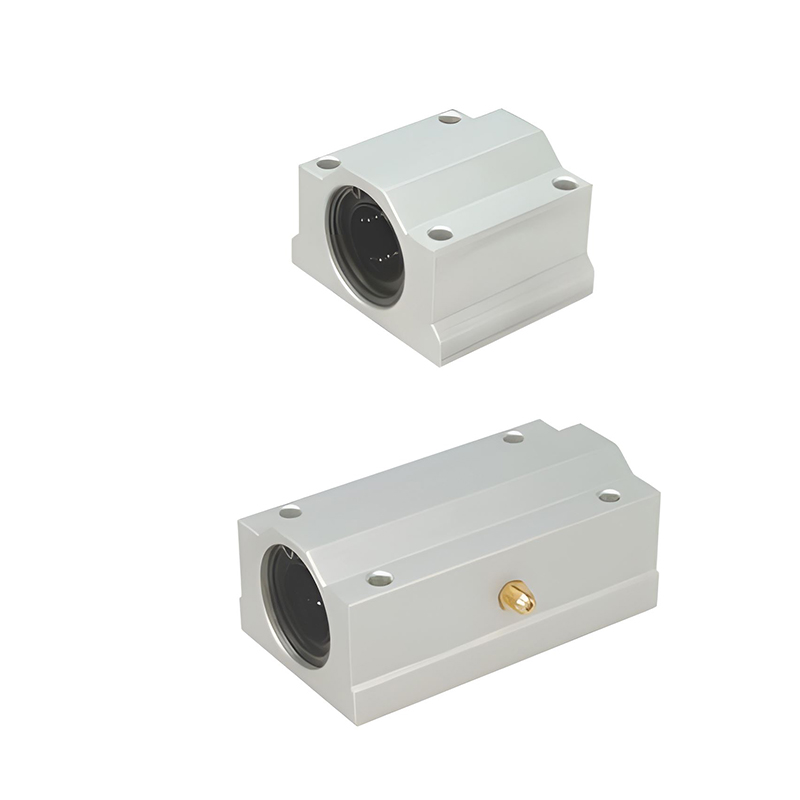
Lishui City Jialida Bearing Co., Ltd. is a company specializing in R&D, production and operation of linea motion series transmission components.
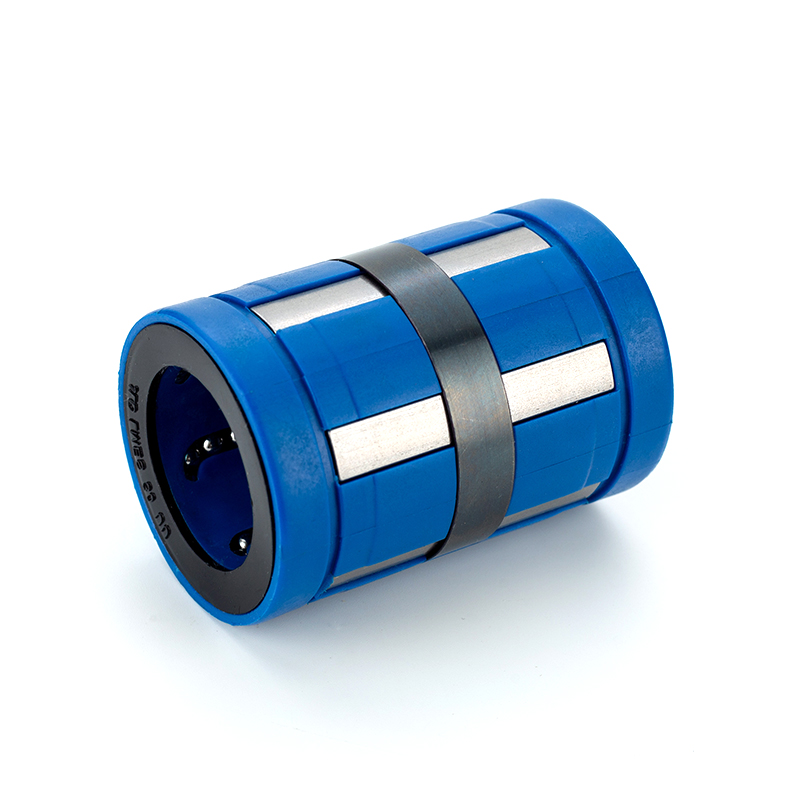
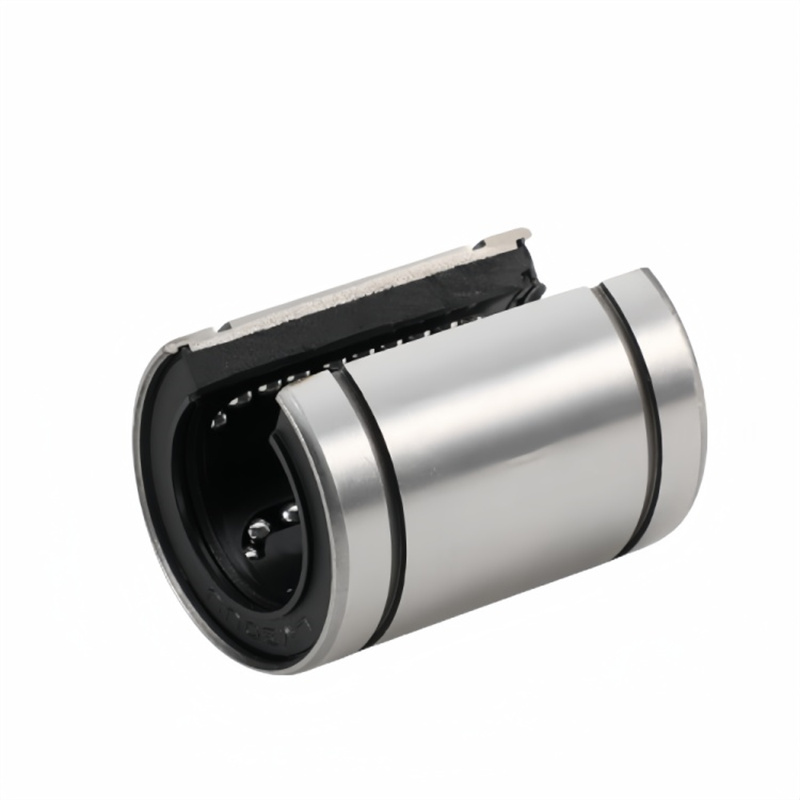
Enhanced Adaptive Stable Linear Bearings
LMES
For machine builders and industrial buyers, small mechanical components can have a noticeable effect on motion stability, assembly accuracy, and maintenance work. A properly selected guide shaft support helps keep a linear shaft securely positioned while reducing unwanted movement during operation. As automation equipment becomes more focused on repeatable motion and easier maintenance, engineers are paying closer attention to shaft alignment, support rigidity, bearing compatibility, and installation conditions rather than treating support components as secondary parts.
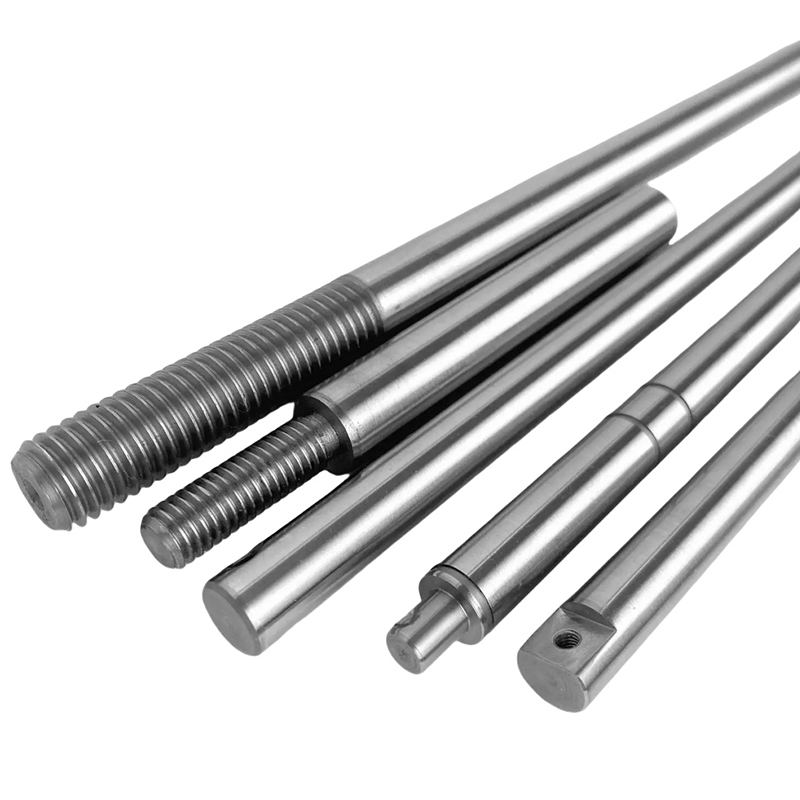
A guide shaft works as part of a complete linear motion assembly, so its performance depends on how securely it is mounted. If the shaft is insufficiently supported, vibration, deflection, or alignment problems can affect the movement of the bearing and connected tooling.
This becomes particularly important in CNC equipment, automated handling systems, assembly machines, and positioning mechanisms where controlled travel is required. Linear motion suppliers increasingly emphasize system-level selection based on load, stroke, duty cycle, and operating environment rather than choosing components independently.
In practical machine assembly, alignment problems do not always come from the shaft itself. The mounting structure, support spacing, fastening method, and bearing position can all influence motion quality.
A guide shaft support that does not sit correctly against the mounting surface may introduce angular deviation during installation. Engineers should therefore check the mounting surface, shaft seating, fastener condition, and parallel relationship between shafts before commissioning the machine.
Typical points to inspect include:
Load distribution is another practical consideration when selecting a linear shaft support. A shaft carrying a moving carriage, fixture, or tooling may experience different forces depending on the machine structure and travel direction.
If the support arrangement does not adequately stabilize the shaft, movement can become less consistent and place additional stress on bearings and connected parts. Linear guide selection should consider the relationship between load, speed, acceleration, stiffness, and component service life.
For equipment manufacturers, it is useful to evaluate the complete assembly rather than selecting a support from shaft diameter alone. Shaft length, support location, moving mass, operating cycle, and installation orientation should all be considered during component selection.
Operating conditions can also change the requirements for a shaft support assembly. Dust, machining residue, moisture, coolant, and other contaminants may influence the condition of the shaft and bearing interface.
Maintenance guidance for linear motion systems commonly recommends keeping guide surfaces clean, checking lubrication, inspecting seals, and monitoring unusual vibration or wear.
For applications involving corrosive environments or demanding production conditions, engineers may also need to consider material compatibility and surface treatment. The surrounding machine structure and maintenance method should be reviewed together with the support component instead of relying on a standard part without checking the actual working environment.
Even a well-machined support can perform poorly if installation is inconsistent. During assembly, the shaft should be positioned correctly before fasteners are fully secured.
Engineers can then move the bearing through its working range and check for binding or abnormal resistance. When two or more guide shafts are used together, parallelism becomes especially important because small alignment errors can increase friction and interfere with smooth travel.
From a manufacturing perspective, attention to dimensional consistency, mounting geometry, and inspection procedures helps make guide shaft support easier to integrate into different machine structures. This is especially useful for OEM equipment projects where components must fit established assemblies without extensive modification.
Standard components can cover many applications, but customized guide shaft support solutions can be useful when equipment has a special mounting structure, limited installation space, or a non-standard shaft arrangement.
As a manufacturer, we focus on understanding the mechanical requirements before determining the appropriate support structure, machining details, and interface dimensions.
For OEM buyers, useful technical information includes shaft specifications, mounting requirements, application load, movement conditions, installation environment, and available drawings. Providing these details at the quotation stage can help engineers review compatibility earlier and reduce unnecessary changes during machine assembly.
A reliable linear motion system depends on the interaction between the shaft, bearing, support, mounting structure, and maintenance process. Choosing a suitable guide shaft support is therefore not simply a matter of matching dimensions.
Careful attention to alignment, load distribution, installation, material selection, and operating conditions can help machine builders create smoother and more maintainable equipment. For OEM projects requiring customized interfaces or application-specific support components, working directly with a manufacturer can also simplify technical communication from initial design through production.

Lishui City Jialida Bearing Co., Ltd. is a company specializing in R&D, production and operation of linea motion series transmission components.
Copyright © Lishui City Jialida Bearing Co., Ltd. All rights reserved.
