
 English
 Español
 Deutsch
 عربى
 +86 17398543323

 +86 17398543323
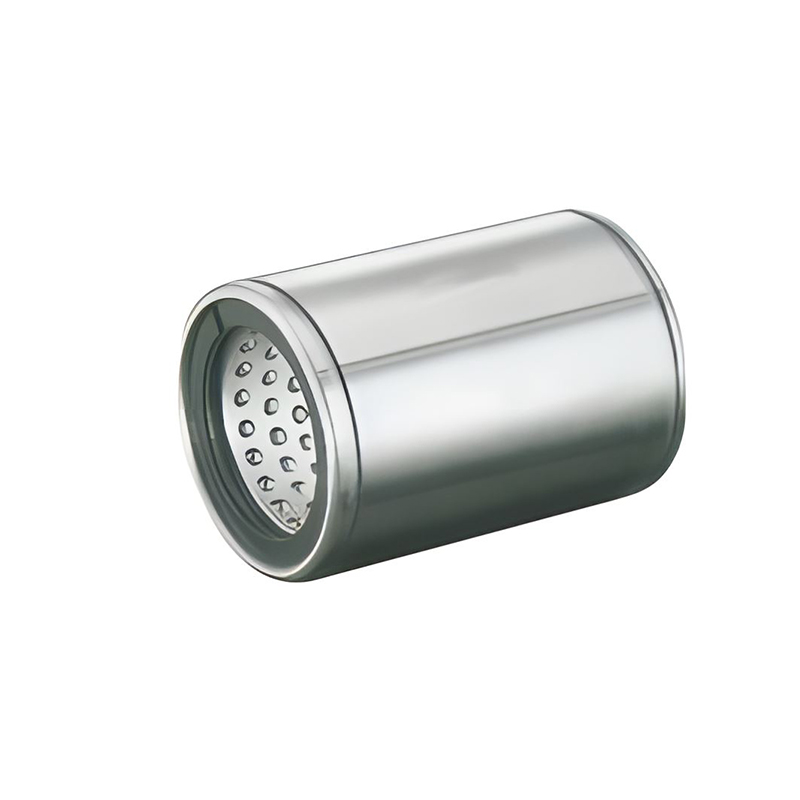
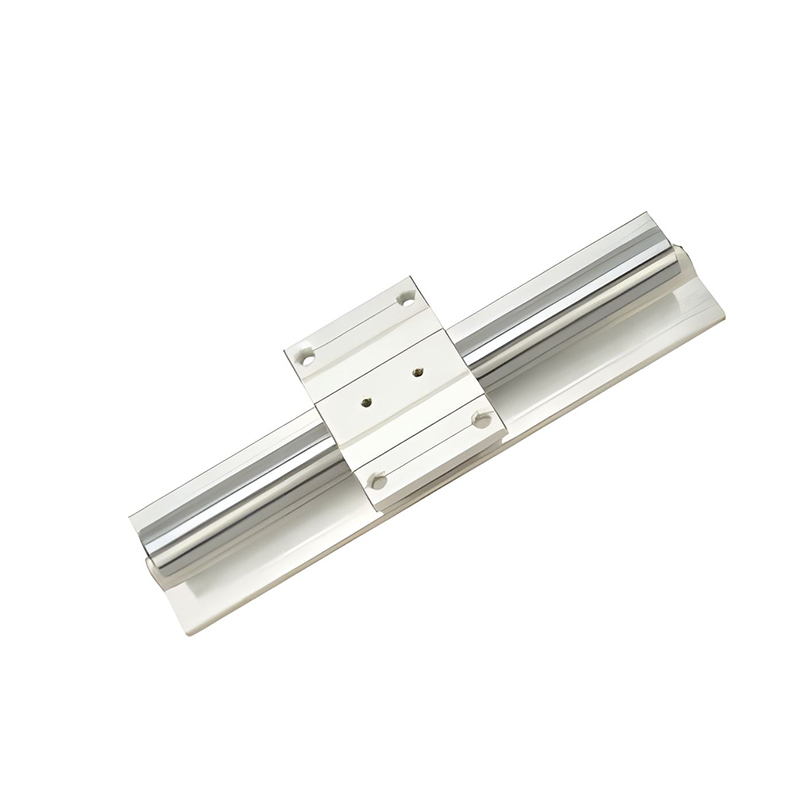
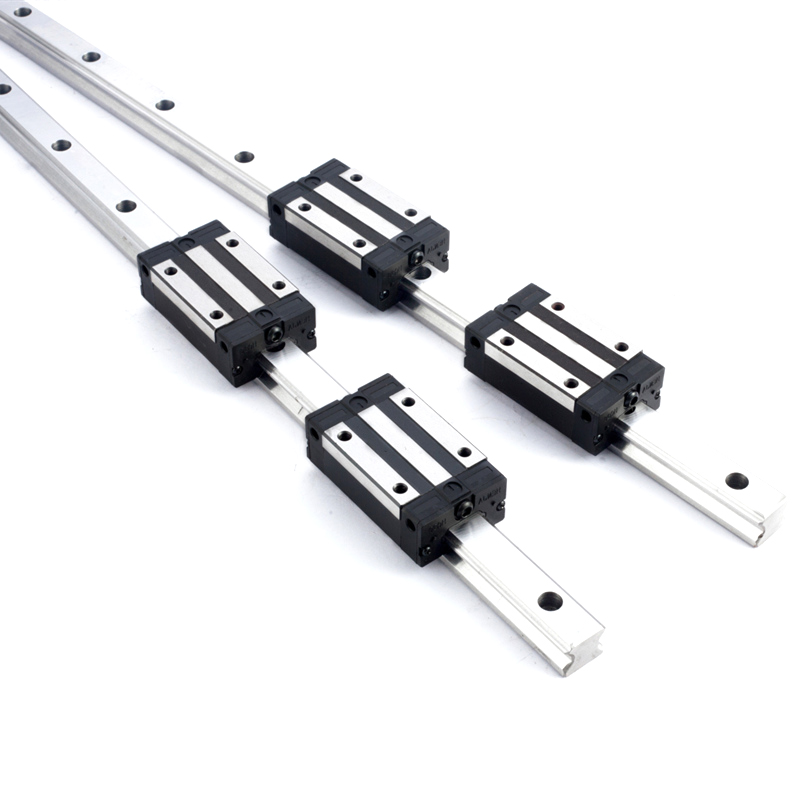
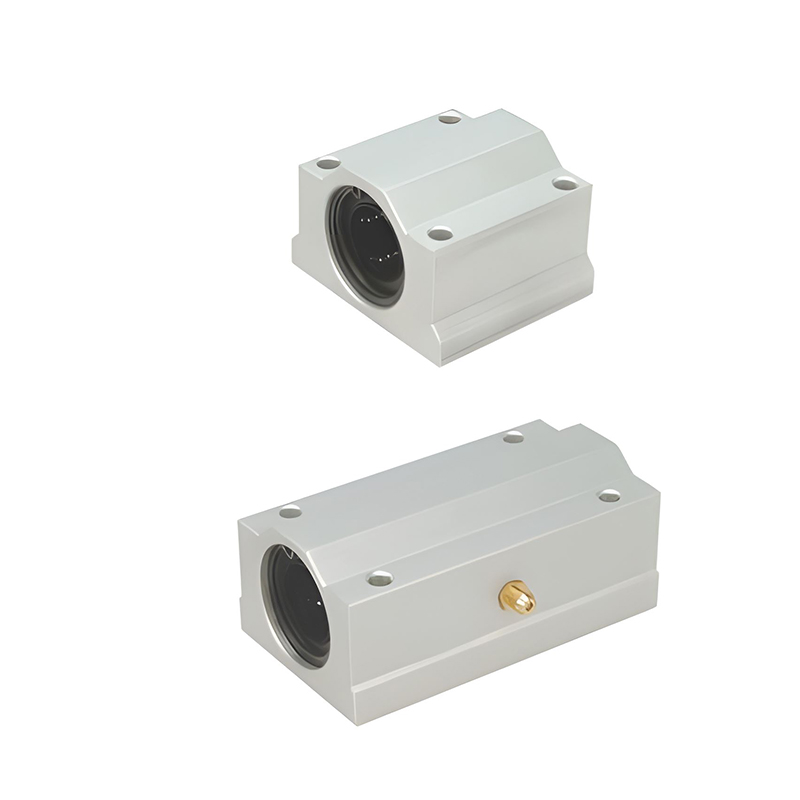
Lishui City Jialida Bearing Co., Ltd. is a company specializing in R&D, production and operation of linea motion series transmission components.
Enhanced Adaptive Stable Linear Bearings
LMES
In automated production lines, agricultural machinery, and industrial motion systems, even a small mismatch between connected components can affect movement accuracy and accelerate wear. A Ball joint rod end bearing provides angular movement between mechanical parts, making it useful in linkages where alignment changes during operation. However, selecting the correct component involves more than matching the bore diameter or thread size. For equipment manufacturers and international procurement teams, understanding dimensional compatibility, mounting requirements, and load conditions helps prevent assembly problems and avoid unnecessary maintenance costs.
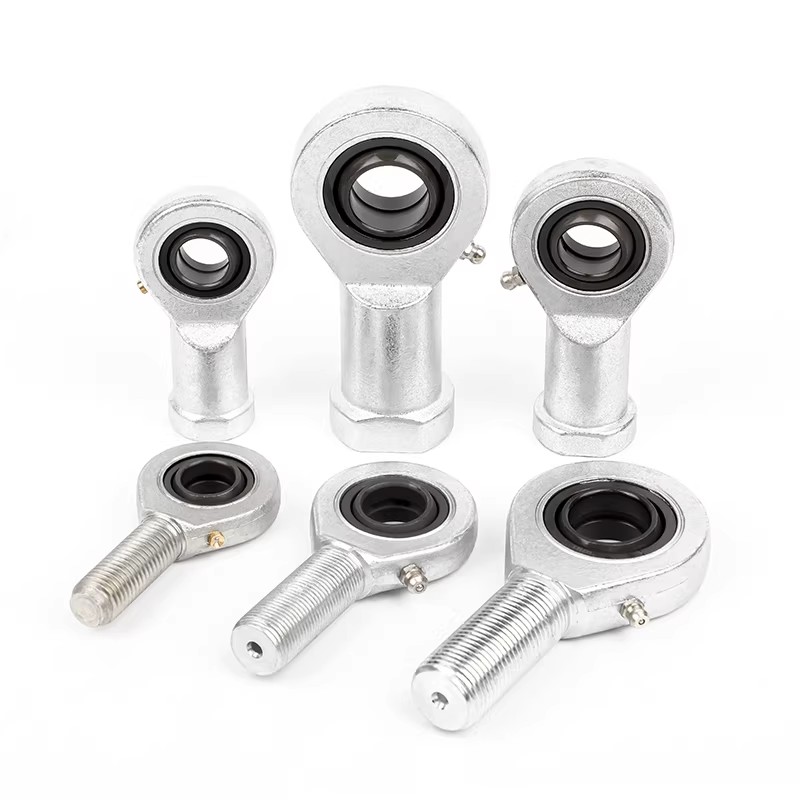
The bore diameter is an important specification, but it does not determine whether a rod end bearing will fit an existing assembly. Housing width, overall length, thread dimensions, and the available mounting space can all influence compatibility.
When replacing a component, engineers should compare the complete dimensional drawing with the original design. A bearing with the correct bore but an unsuitable housing width may require assembly modifications that introduce additional complexity.
As a manufacturer, we recommend confirming all critical dimensions before production or ordering, particularly when the component will be installed in equipment with limited clearance.
Rod end bearings are available with different thread configurations, including male and female threads and right-hand or left-hand threads. Choosing the wrong configuration can delay installation or make the component incompatible with the existing linkage.
Procurement teams should confirm the thread diameter, pitch, direction, and required engagement length. Where a threaded shank connects to an adjustable linkage, sufficient engagement must be maintained throughout the intended adjustment range.
Installation should also follow the equipment designer's requirements for tightening and locking. Forcing mismatched threads together can damage the connection and compromise assembly reliability.
One of the main advantages of a rod end bearing is its ability to accommodate angular movement. This feature helps connected components articulate without requiring perfect alignment at every point in their travel.
However, each design has a defined range of permissible movement. If the joint reaches its angular limit during operation, the housing or bearing surfaces may experience unintended contact and increased stress.
Before specifying a replacement, engineers should assess the linkage's full travel rather than checking its position only at rest. This is particularly relevant for hydraulic cylinders, steering linkages, and automated mechanisms with changing operating angles.
A bearing that fits correctly may still be unsuitable if its load capacity does not match the application. Radial loads, axial forces, shock, and repeated load reversals can influence performance in different ways.
Engineers should evaluate the expected working load alongside peak forces and movement frequency. They should also distinguish between static and dynamic load ratings when reviewing technical specifications, since these values describe different operating conditions.
Selecting a bearing with appropriate capacity helps reduce the risk of excessive clearance, deformation, and premature wear. The final choice should follow the manufacturer's rated limits and the equipment's actual operating requirements.
Material and sliding surface choices affect lubrication requirements, friction, and resistance to environmental exposure. Metal-to-metal designs may suit applications requiring robust mechanical construction, while PTFE-lined options can provide low-friction operation in suitable conditions.
Maintenance accessibility is another practical consideration. Components installed deep inside machinery may benefit from designs that reduce routine lubrication requirements, provided their load, temperature, and movement conditions remain within specification.
Buyers should also assess corrosion exposure, contamination risks, and the availability of replacement parts before finalizing a product specification.
Dimensional variation between batches can create difficulties for equipment manufacturers assembling large numbers of identical units. Incoming inspection helps identify discrepancies before components enter production.
Depending on the product and purchasing agreement, checks may cover:
Clear acceptance criteria make supplier evaluations more consistent and help procurement teams resolve specification differences before they affect assembly schedules.
Reliable sourcing begins with complete technical information. Drawings, sample components, load requirements, angular movement, and environmental conditions give manufacturers a clearer understanding of the intended application.
As a manufacturer, we focus on helping customers identify suitable configurations and verify critical specifications before orders proceed. Choosing the right Ball joint rod end bearing supports accurate assembly, smooth linkage movement, and more predictable maintenance. By checking compatibility at the specification stage, buyers can reduce installation errors and build greater consistency into their equipment production and replacement programs.

Lishui City Jialida Bearing Co., Ltd. is a company specializing in R&D, production and operation of linea motion series transmission components.
Copyright © Lishui City Jialida Bearing Co., Ltd. All rights reserved.
