
 English
 Español
 Deutsch
 عربى
عربى
 +86 17398543323
 +86 17398543323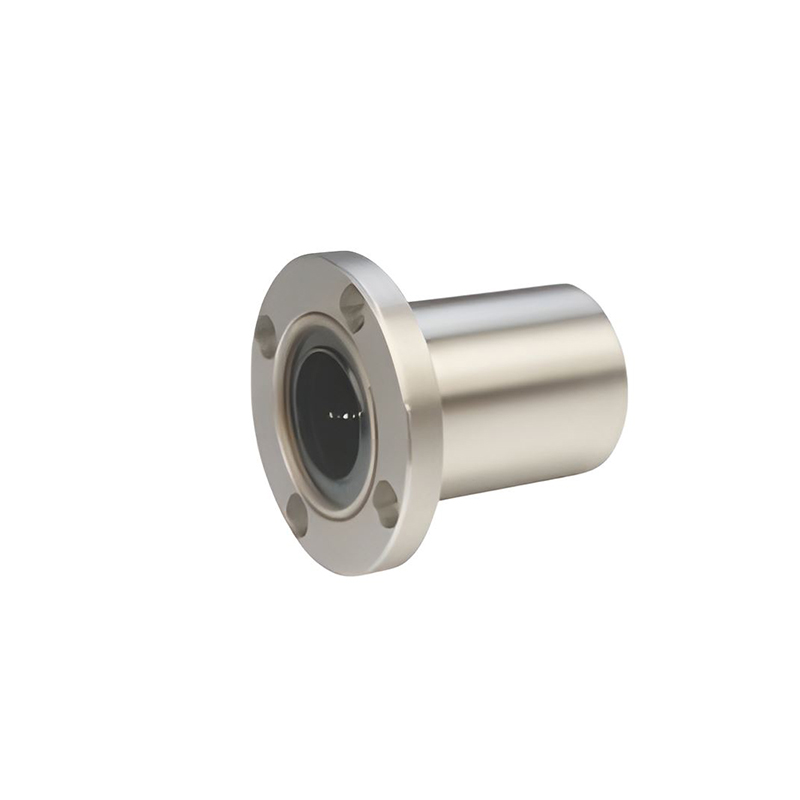
Lishui City Jialida Bearing Co., Ltd. is a company specializing in R&D, production and operation of linea motion series transmission components.
Enhanced Adaptive Stable Linear Bearings
LMES
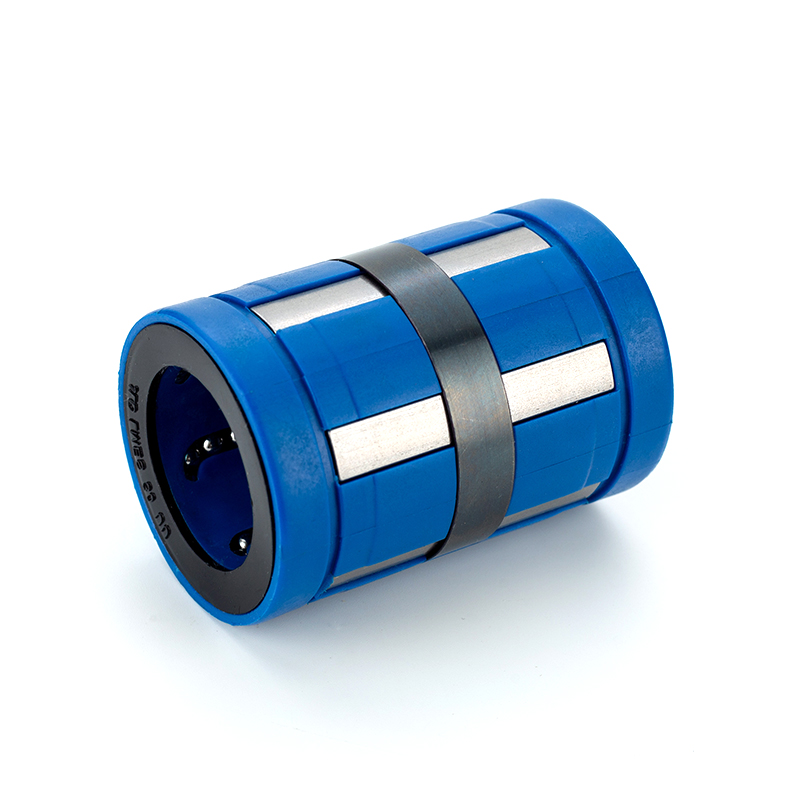
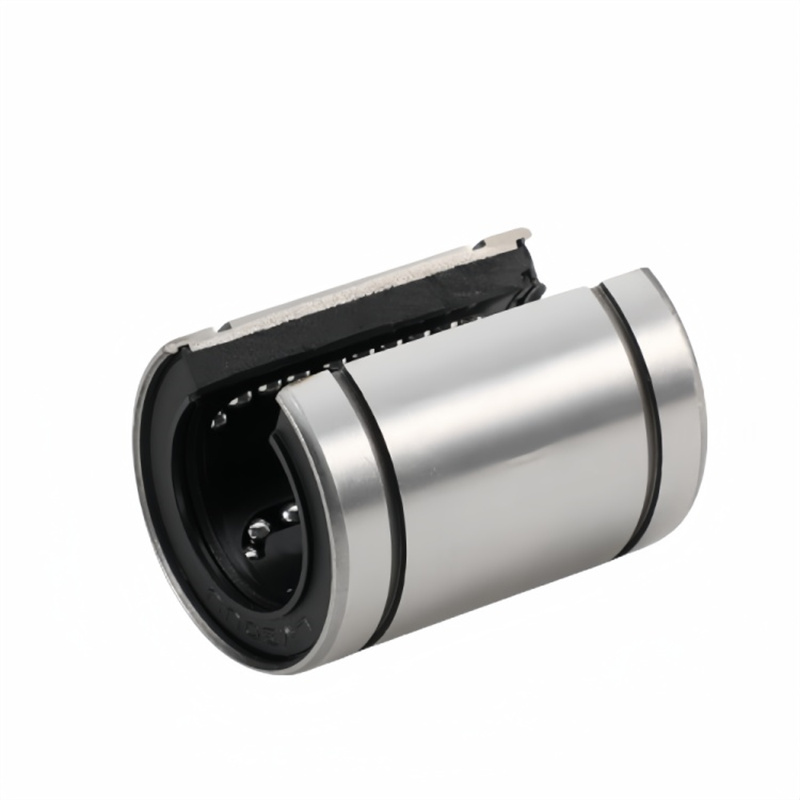
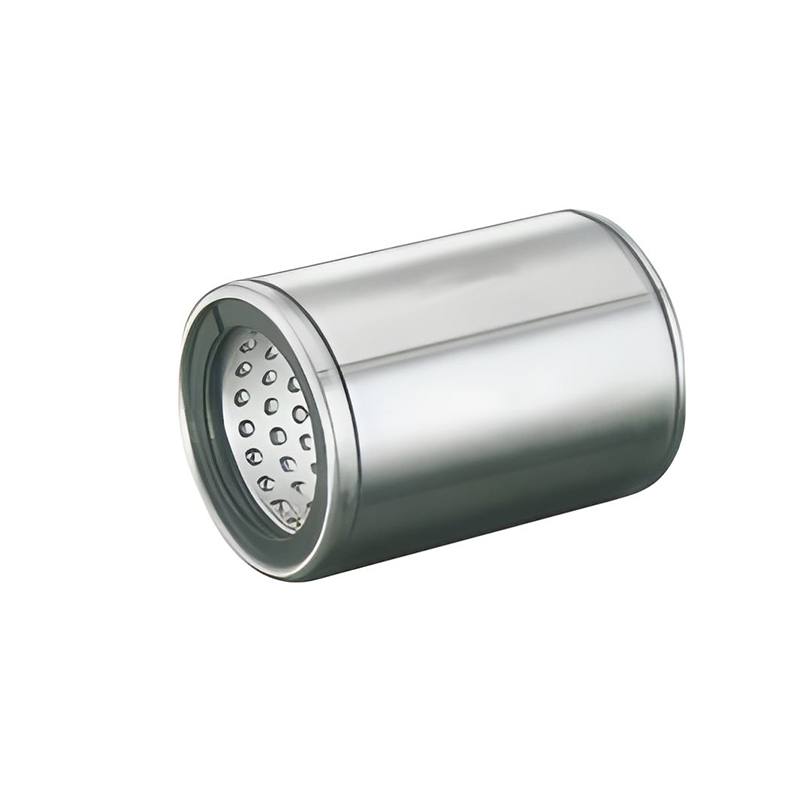
Proper setup and ongoing care are fundamental to the performance of any mechanical component. For a Cylinder Earring Bearing, often recognised by its distinct cylindrical housing and mounting ears, adherence to correct installation and maintenance routines directly influences its operational lifespan and reliability. This guide outlines practical steps and considerations to ensure these bearings function as intended.
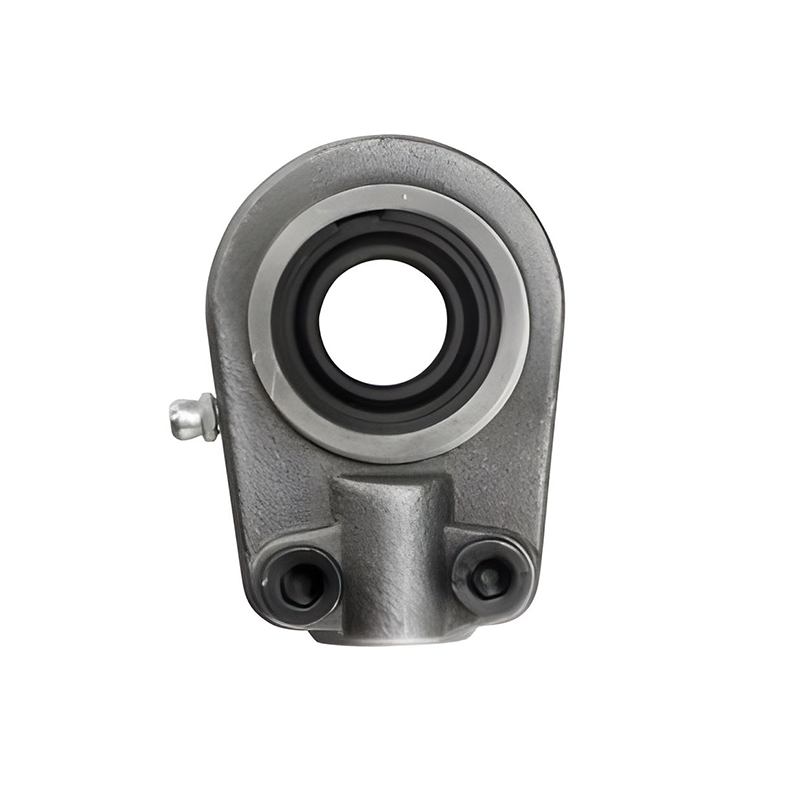
Before mounting begins, a few checks can prevent common issues. Confirm that the bearing model aligns with your application's requirements, paying particular attention to the shaft diameter. Inspect both the shaft and the mounting surface for any dirt, burrs, or damage that could affect fit or alignment. Clean these surfaces thoroughly. Ensure all necessary parts are present, including locking devices like set screws or eccentric collars, washers, and mounting bolts. Having the correct tools ready streamlines the process.
A methodical approach to installation supports smooth operation. Start by sliding the bearing onto the shaft to its designated position. The next step involves securing the inner ring to the shaft. If using a set screw, tighten it firmly to the manufacturer's specification, ensuring it contacts a flat spot on the shaft if one is provided. For bearings with an eccentric locking collar, follow the specific instructions for rotation and tightening to achieve a secure hold. Once the bearing is fixed on the shaft, position the entire unit and align the holes in the bearing's mounting ears with those in the frame or base. Insert and gradually tighten the mounting bolts in a crisscross pattern to ensure the housing sits flat without distortion. Finally, perform a manual rotation of the shaft to check for smooth, unobstructed movement.
A functional aspect of many Cylinder Earring Bearings is their built-in capacity for self-alignment. This design allows the bearing to accommodate minor angular misalignment between the shaft and the housing. It is useful to perform a final alignment check of the connected components before fully tightening all mounting bolts. This practice lets the bearing naturally adjust to its optimal position, reducing internal stress and supporting even load distribution.
Consistent care following installation helps maintain bearing condition. Regular lubrication is necessary; use the type of grease specified for the application and operating environment. Apply grease through the fitting until a slight purge is seen at the seal, clearing out old lubricant and contaminants. Avoid over-greasing, as this can cause overheating. Establish a routine to inspect the bearing for signs of seal degradation, unusual noise during operation, or any looseness in the mounting bolts. Keeping the area around the bearing clear of excessive debris and moisture also contributes to sustained performance.
The service life of a Cylinder Earring Bearing is closely tied to how it is installed and maintained. Following structured procedures for mounting, taking advantage of its alignment features, and committing to a regular maintenance schedule are practical ways to support dependable operation. These actions help manage wear and can extend the intervals between servicing, contributing to consistent machinery function.
A Cylinder Earring Bearing offers practical support for controlled rotation in constrained spaces. Its design provides stable motion, efficient alignment, and smooth operation across various mechanical tasks. By understanding structure, applications, and common user questions, operators can make informed decisions when selecting this component for their projects.

Lishui City Jialida Bearing Co., Ltd. is a company specializing in R&D, production and operation of linea motion series transmission components.
Copyright © Lishui City Jialida Bearing Co., Ltd. All rights reserved.
