
 English
 Español
 Deutsch
 عربى
عربى
 +86 17398543323
 +86 17398543323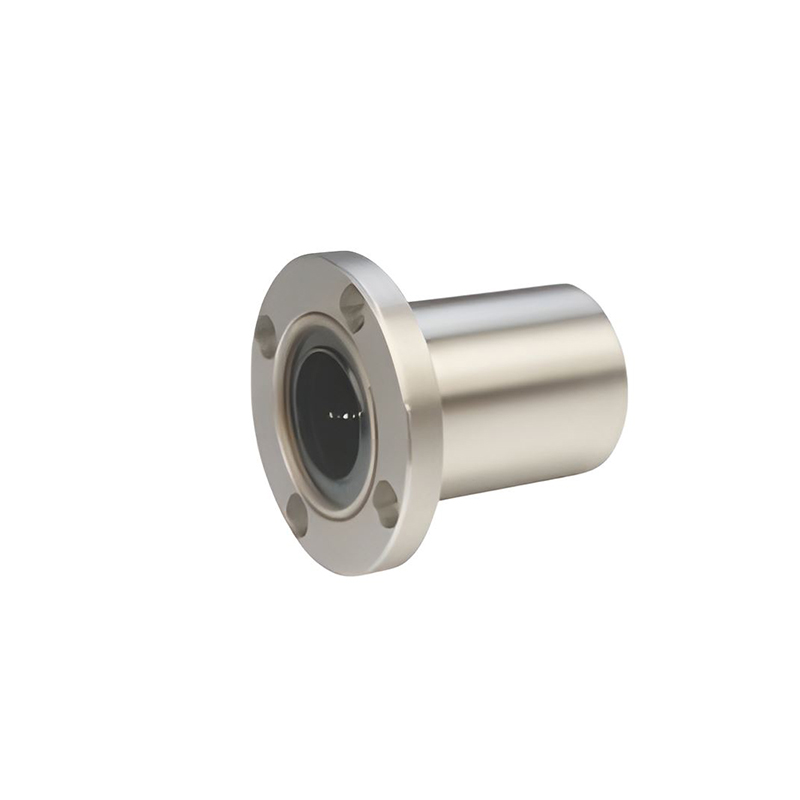
Lishui City Jialida Bearing Co., Ltd. is a company specializing in R&D, production and operation of linea motion series transmission components.
Enhanced Adaptive Stable Linear Bearings
LMES
In many modern mechanical transmission systems, double axis roller linear guide and Cylinder Earring Bearing are often referenced when engineers evaluate motion accuracy and load behavior in linear positioning structures. These components are frequently discussed alongside ball rail systems due to their differences in contact mechanics, rigidity behavior, and suitability for different industrial environments.
Understanding how roller-based and ball-based systems differ helps clarify why certain machines rely on specific linear guidance structures instead of others.
Structural Differences Between Roller and Ball Systems
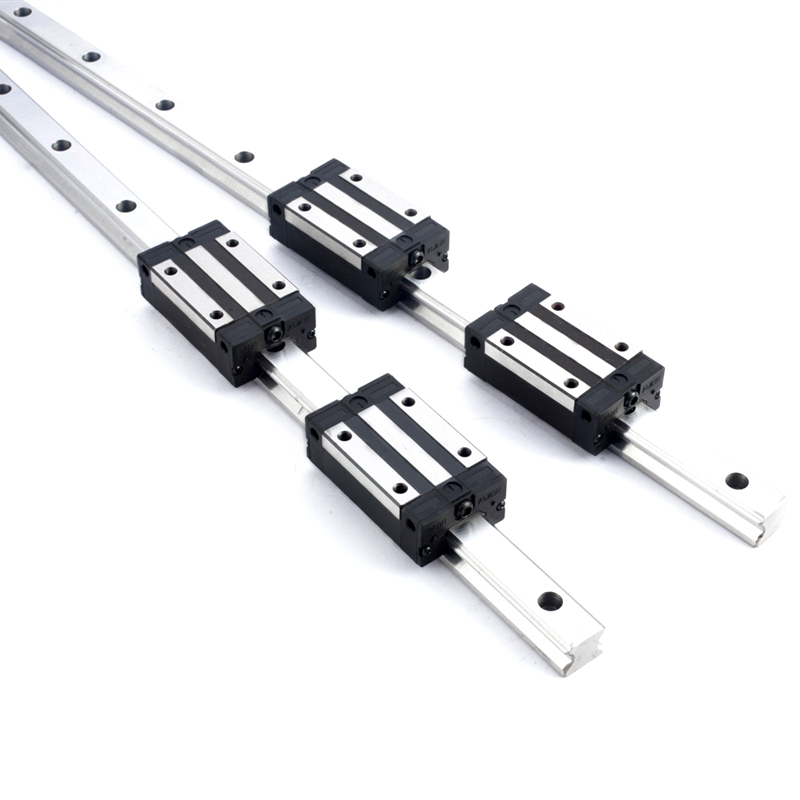
The fundamental distinction lies in how motion is supported along the rail surface. A ball rail system uses spherical rolling elements that create point contact with the raceway. This design supports smooth movement but distributes force over relatively smaller contact areas.
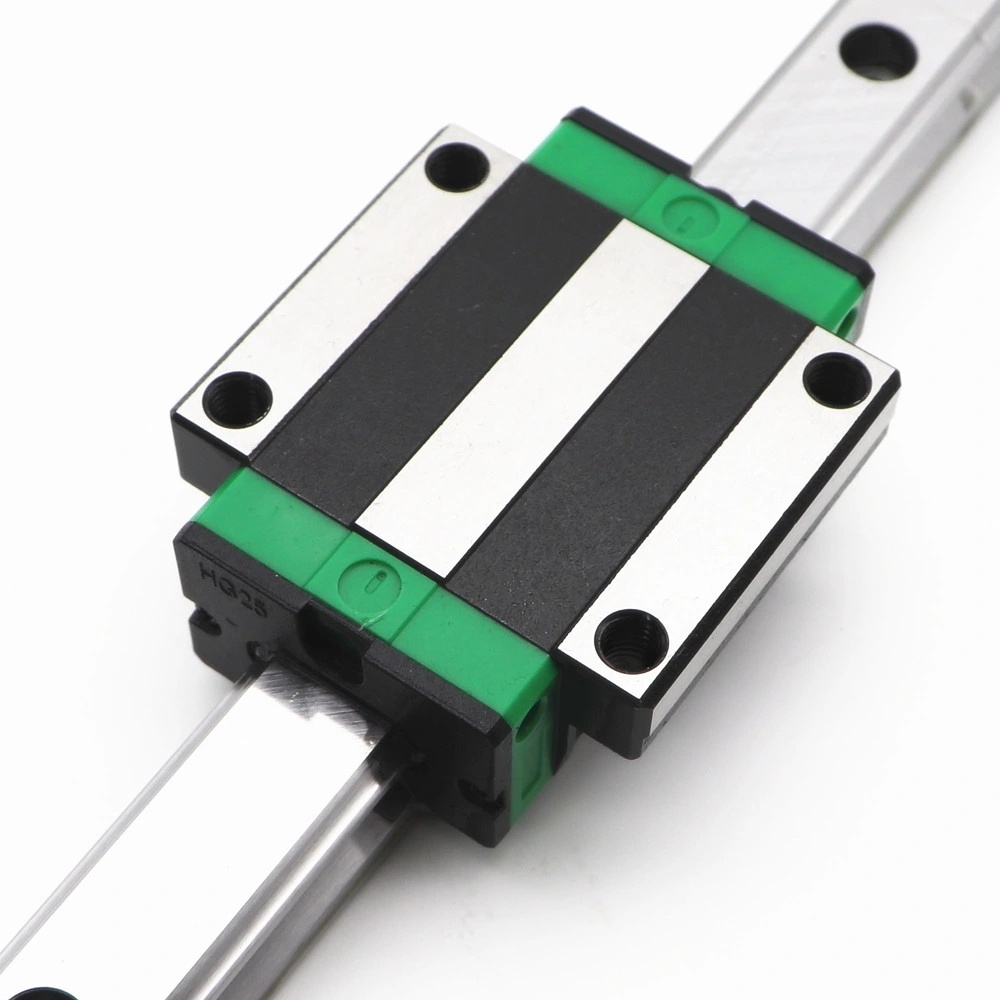
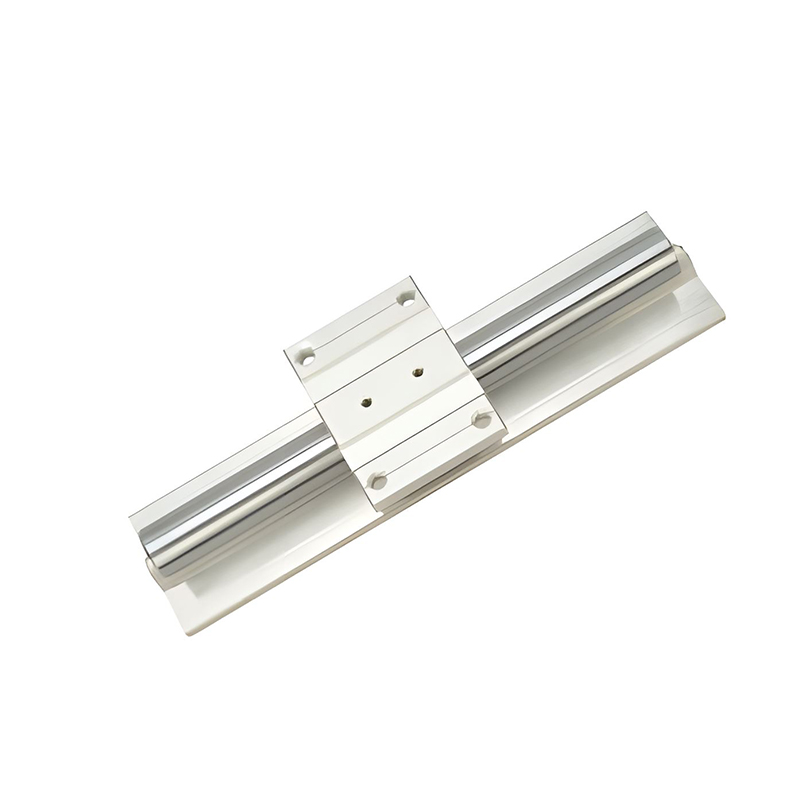
In contrast, a double axis roller linear guide uses cylindrical rolling elements that create line contact. This increases the contact surface and changes how force is transmitted through the structure. The result is a different response under load, especially when force direction changes during operation.
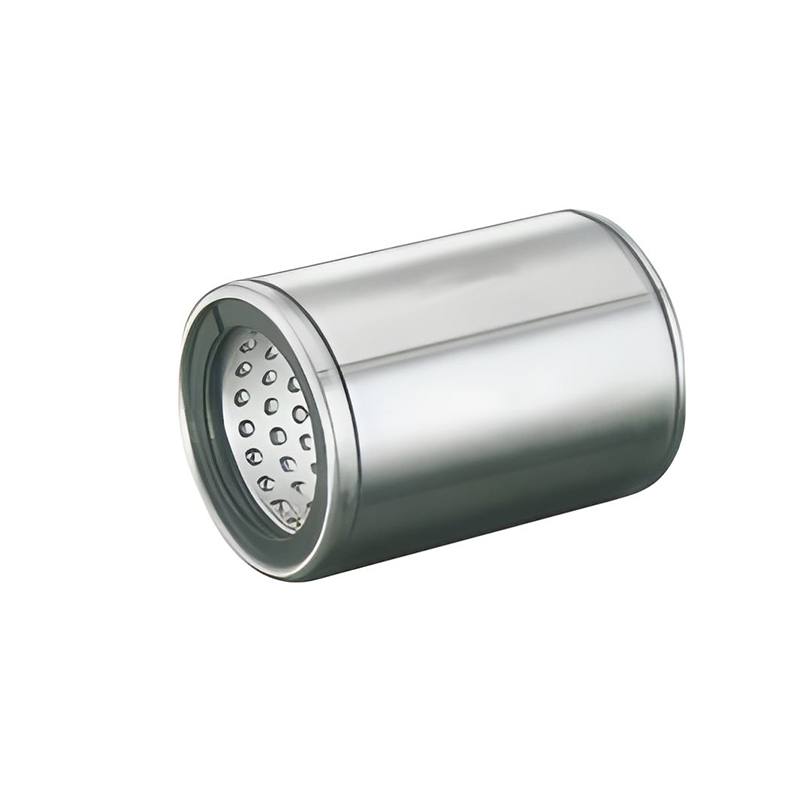
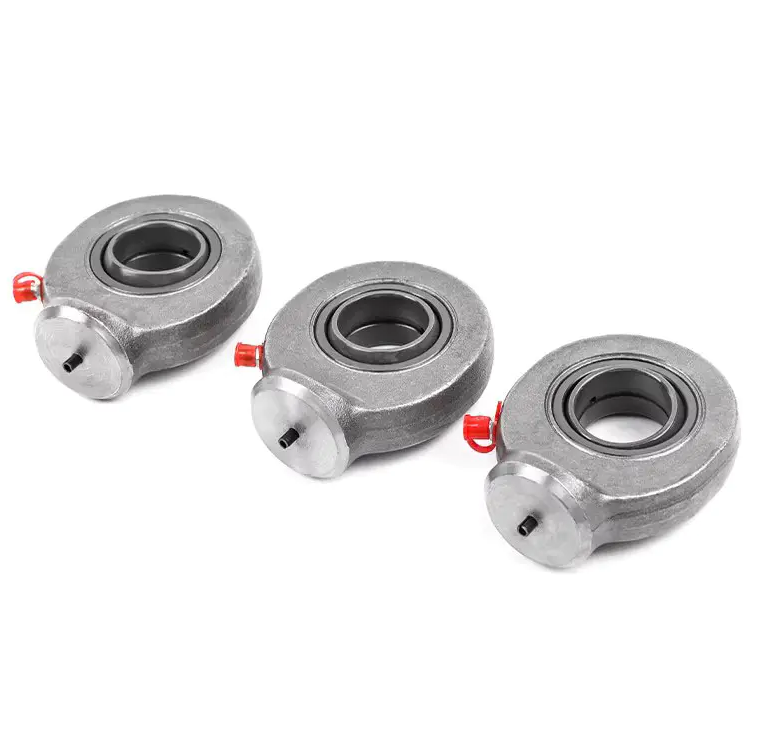
Cylinder Earring Bearing components, when used in related mechanical assemblies, follow similar principles of load distribution depending on their internal rolling geometry and mounting style. Their structural behavior is often considered when designing compact rotational or semi-rotational support systems.
Load Distribution and Structural Rigidity
One of the key differences between roller and ball rail systems is how load is handled under continuous mechanical stress.
Ball rail systems distribute force through point contact, which allows smooth motion but may result in localized stress concentration under heavier loads. This can influence long-term wear behavior depending on operational conditions.
A double axis roller linear guide distributes force along a wider contact line, allowing the structure to maintain stable alignment under varying force directions. This characteristic is often referenced in applications requiring stable positioning during repeated motion cycles.
Cylinder Earring Bearing assemblies also demonstrate load distribution characteristics influenced by their cylindrical geometry, making them suitable for environments where consistent radial support is required.
Motion Stability and Dynamic Response
Motion stability is influenced by how rolling elements interact with the rail surface during acceleration and deceleration.
Ball rail systems tend to offer low resistance movement, which can be beneficial in high-speed positioning tasks. However, under changing load conditions, slight micro-vibrations may appear depending on system configuration.
Double axis roller linear guide structures tend to maintain a more stable motion path under varying load conditions due to the larger contact area. This can contribute to smoother directional transitions in mechanical systems.
Cylinder Earring Bearing components, depending on their configuration, may also influence vibration behavior in rotating assemblies, especially when used in compact mechanical designs where alignment precision is important.
Application Considerations in Industrial Systems
Ball rail systems are often used in equipment where fast positioning cycles are required. These include automation systems where motion speed is prioritized alongside moderate load conditions.
Double axis roller linear guide systems are frequently selected for environments where structural stiffness and load distribution play a more central role. This includes machining systems, precision assembly platforms, and equipment exposed to repeated directional force changes.
Cylinder Earring Bearing designs are typically found in mechanical assemblies requiring rotational support combined with structural stability. Their use varies depending on housing design and load requirements.
Selection Factors in Engineering Design
When selecting between roller and ball systems, several factors are typically considered:
Load direction consistency
Required motion smoothness
Structural stiffness requirements
Space constraints in mechanical layout
Maintenance accessibility
Each system offers different mechanical responses under load, and selection often depends on balancing motion characteristics with structural requirements.
System Integration Considerations
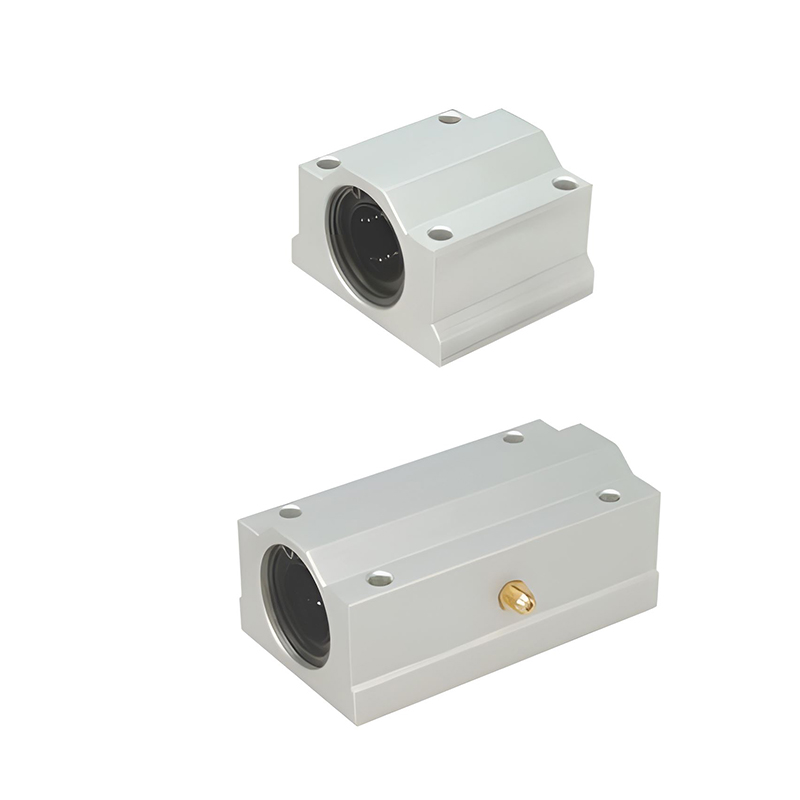
In complex mechanical platforms, linear guides and bearing assemblies often operate together. A double axis roller linear guide may be used for linear motion control, while Cylinder Earring Bearing components may support rotational or semi-rotational motion within connected assemblies.
This combination allows mechanical systems to manage multi-directional forces while maintaining controlled movement paths.
Engineering Trade-Off Perspective
Instead of treating one system as universally preferable, engineering design typically evaluates how each structure behaves under defined working conditions. Roller and ball rail systems each provide different mechanical advantages depending on load patterns and motion requirements.

Lishui City Jialida Bearing Co., Ltd. is a company specializing in R&D, production and operation of linea motion series transmission components.
Copyright © Lishui City Jialida Bearing Co., Ltd. All rights reserved.
