
 English
 Español
 Deutsch
 عربى
عربى
 +86 17398543323
 +86 17398543323
Lishui City Jialida Bearing Co., Ltd. is a company specializing in R&D, production and operation of linea motion series transmission components.
Enhanced Adaptive Stable Linear Bearings
LMES
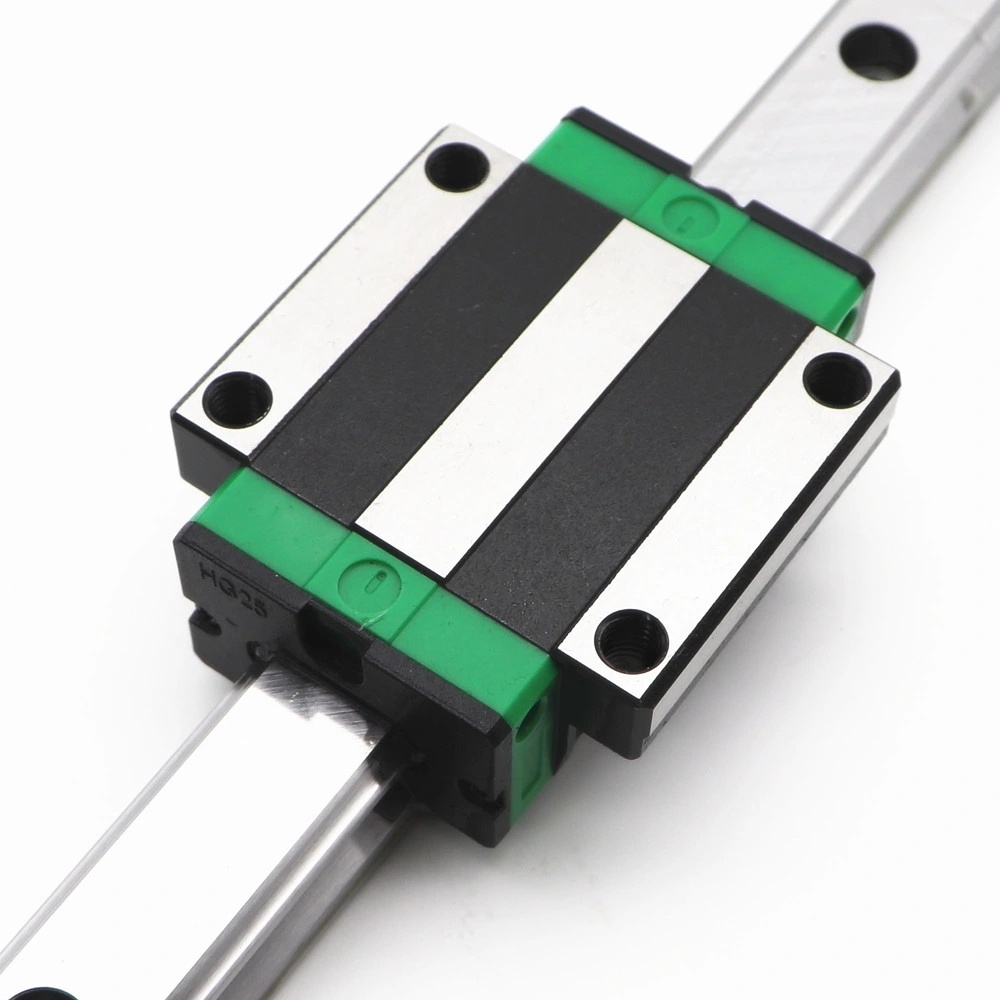
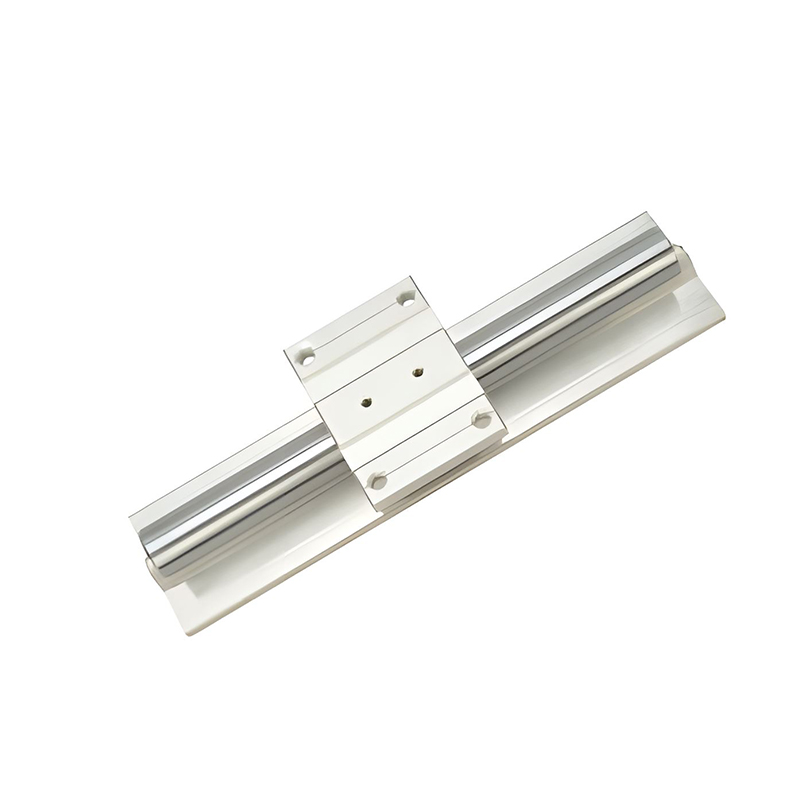
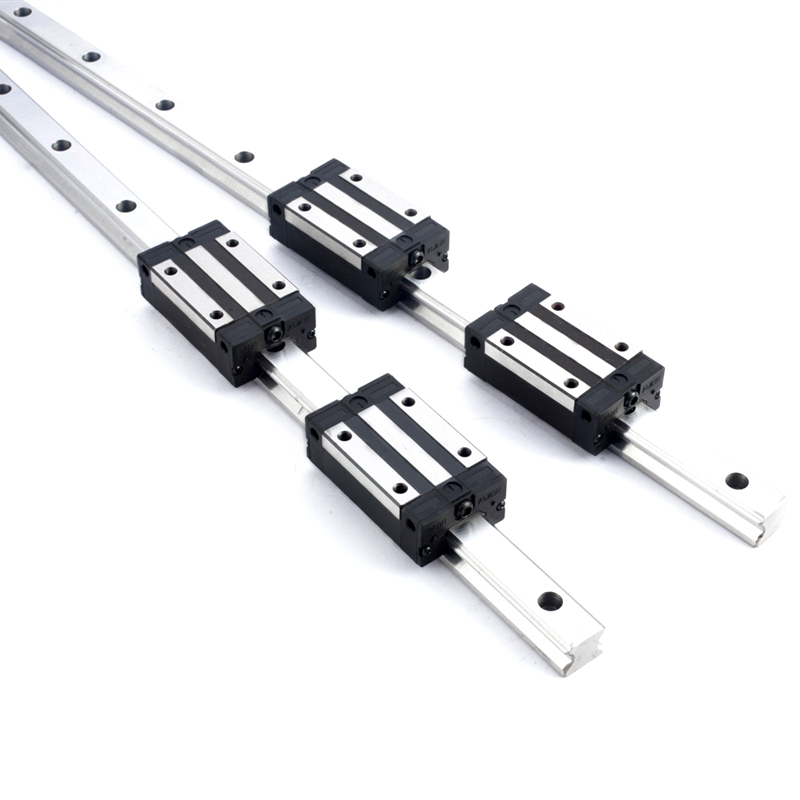
Linear Guideway systems require consistent and systematic maintenance to support precise, reliable motion in demanding industrial environments. Since a Linear Guideway often works in tandem with complementary components such as Cylinder Earring Bearing units—each playing a critical role in the motion chain—maintaining the entire integrated motion system as a cohesive unit is essential for sustained, high-performance operation over time.
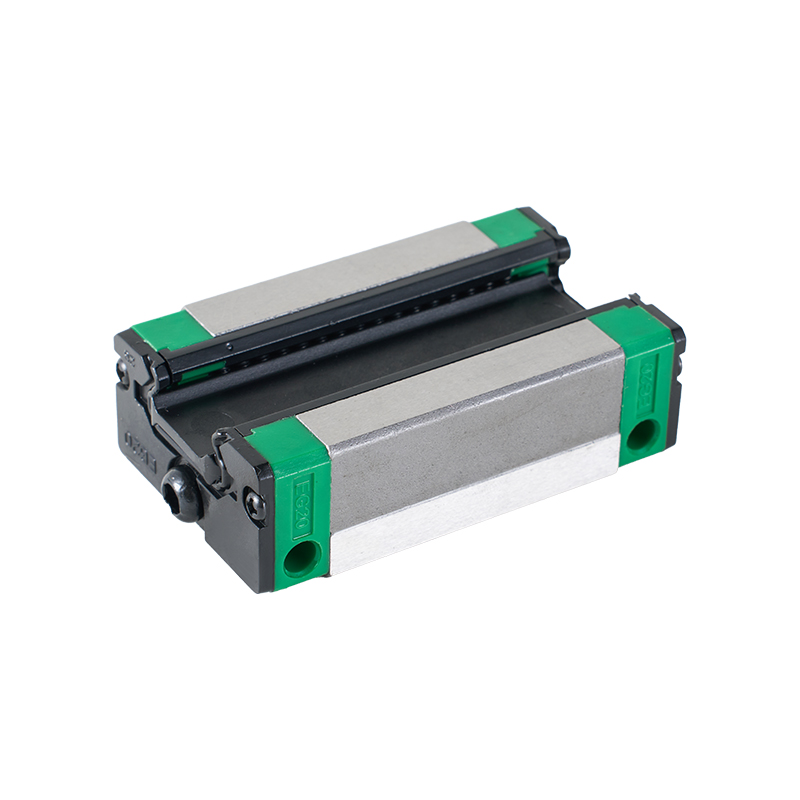
Regular, scheduled maintenance is pivotal to preserving optimal motion quality, minimizing downtime, and reducing the likelihood of unexpected failures that can disrupt production workflows. A Linear Guideway operates under continuous mechanical load, repeated reciprocating movement, and varying pressure conditions, making proactive lubrication, thorough inspection, and timely part adjustments essential ongoing tasks. Neglecting these steps can lead to gradual performance degradation, increased energy consumption, and eventual catastrophic component failure.
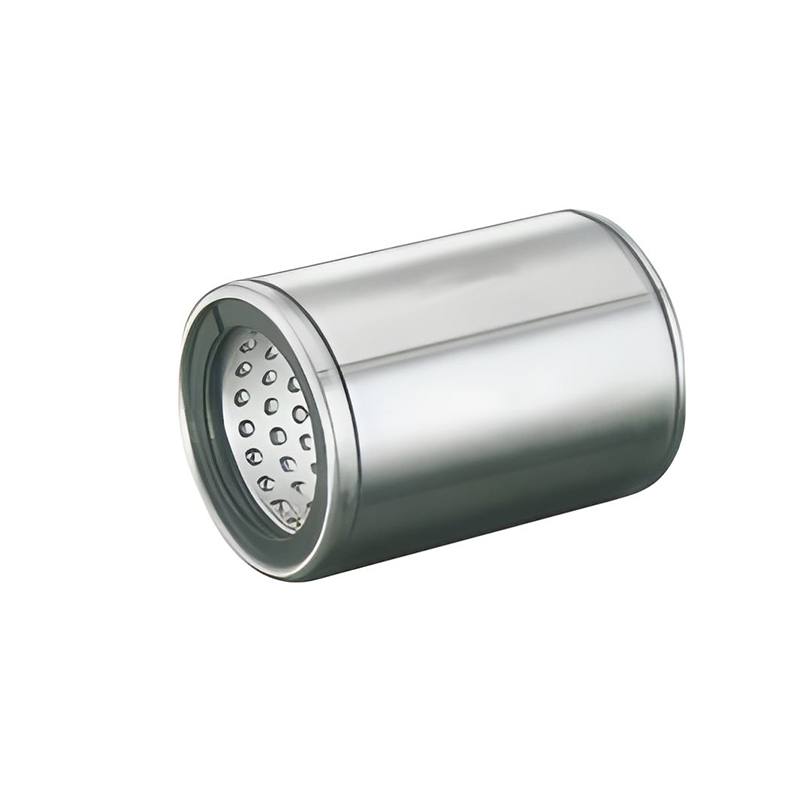
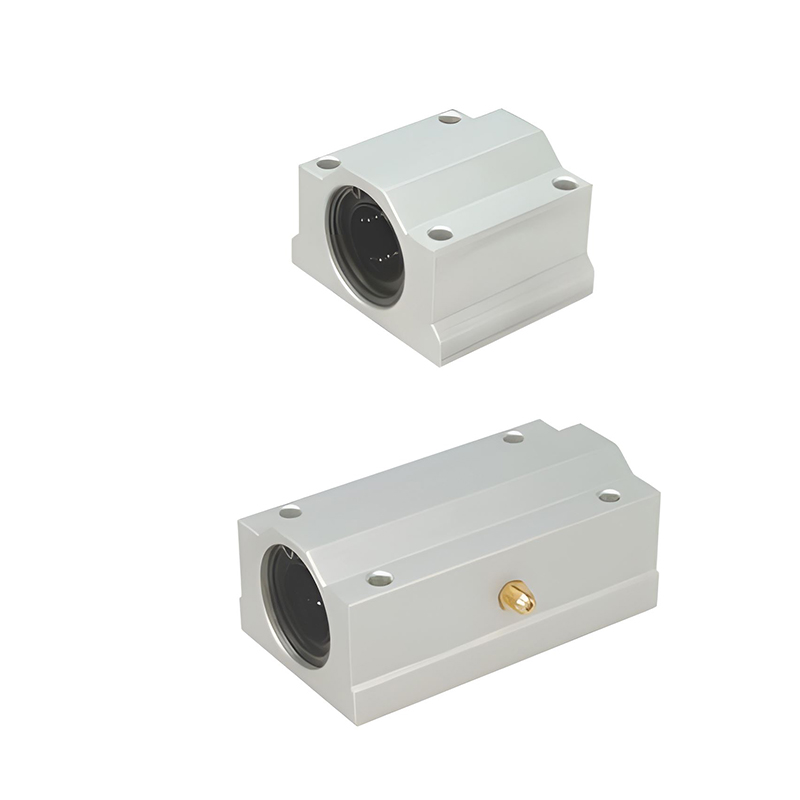
Cylinder Earring Bearing components, which facilitate rotational motion within the assembly, also experience significant mechanical stress during operation—including radial and axial loads that intensify with speed and load capacity. When both Linear Guideways and Cylinder Earring Bearings are integrated into the same motion assembly, maintenance schedules must be tailored to account for their combined operating conditions, load interactions, and wear patterns to avoid system imbalance.
Lubrication serves as the cornerstone of smooth movement by forming a protective film between contact surfaces, effectively reducing friction, heat generation, and metal-to-metal wear. For a Linear Guideway, selecting the appropriate lubricant—whether grease for low-to-medium speed applications or oil for high-speed operations—and applying it at consistent intervals helps maintain uniform motion precision and extends the service life of rails and carriages. The same fundamental principle applies to Cylinder Earring Bearing units, which rely on adequate lubrication to support seamless rotational motion and prevent internal component seizing.
Using compatible lubrication methods and formulations across all system components is critical to maintaining overall system balance. Mixing incompatible lubricants can cause chemical reactions that degrade lubrication performance, while inconsistent application rates may lead to uneven wear across Linear Guideways and Cylinder Earring Bearings alike.
Regular visual and tactile inspection allows operators to proactively identify early signs of surface wear, contamination (such as dust, debris, or corrosive substances), or misalignment issues before they escalate. For a Linear Guideway, telltale signs of wear include uneven motion resistance, abnormal noise during operation, or visible scoring along the rail surface—all of which can indicate uneven load distribution or insufficient lubrication. Cylinder Earring Bearing components, meanwhile, may exhibit restricted rotation, squeaking noises, or increased friction if internal raceways, balls, or seals degrade over time.
Early identification of these conditions enables timely corrective actions—such as cleaning, re-lubrication, or component replacement—which not only prevent further damage to adjacent parts but also minimize production downtime and repair costs.
Proper initial installation and ongoing alignment checks are indispensable for ensuring the long-term reliability and performance of Linear Guideway systems. A Linear Guideway installed on an uneven or deformed mounting surface may experience irregular load distribution, leading to premature rail wear and compromised motion accuracy. Similarly, Cylinder Earring Bearing units require precise mounting to their housings and shafts to support smooth angular movement and avoid excessive stress on bearing races.
Periodic alignment checks—using tools such as laser alignment devices or precision straightedges—help verify that both components remain correctly positioned relative to each other and the overall assembly. Minor adjustments made during these checks can prevent cumulative misalignment that would otherwise lead to system inefficiency and component failure.
Industrial environments frequently expose motion components to harsh elements, including airborne dust, abrasive particles, moisture, and extreme temperature fluctuations—all of which can accelerate wear and degrade performance. Protecting Linear Guideways with protective covers, scrapers, or wipers helps shield rail surfaces from contamination, while regular cleaning removes debris that could compromise lubrication effectiveness. Cylinder Earring Bearing units may also require additional protective measures, such as sealed housings or corrosion-resistant coatings, depending on their exposure to moisture, chemicals, or high-temperature environments.
Since Linear Guideway and Cylinder Earring Bearing components often function as interdependent parts of a larger motion system, a coordinated, system-wide maintenance approach is essential to sustaining overall stability and performance. Addressing maintenance needs of one component while neglecting the other can create an operational imbalance, as a worn Cylinder Earring Bearing may impose uneven loads on the Linear Guideway, and vice versa.
Maintaining a Linear Guideway system involves more than isolated care of individual components. By integrating Cylinder Earring Bearing units into routine inspection protocols, lubrication schedules, and servicing routines, industrial operators can ensure seamless motion coordination, reduce the risk of unplanned downtime, and maintain consistent system behavior across extended service intervals.

Lishui City Jialida Bearing Co., Ltd. is a company specializing in R&D, production and operation of linea motion series transmission components.
Copyright © Lishui City Jialida Bearing Co., Ltd. All rights reserved.
