
 English
 Español
 Deutsch
 عربى
عربى
 +86 17398543323
 +86 17398543323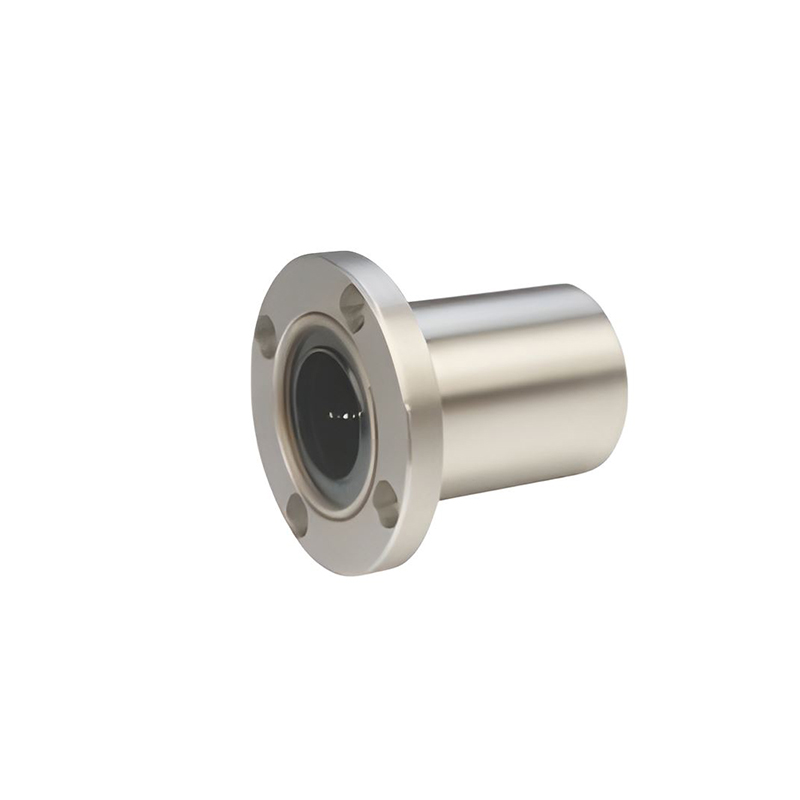
Lishui City Jialida Bearing Co., Ltd. is a company specializing in R&D, production and operation of linea motion series transmission components.
Enhanced Adaptive Stable Linear Bearings
LMES
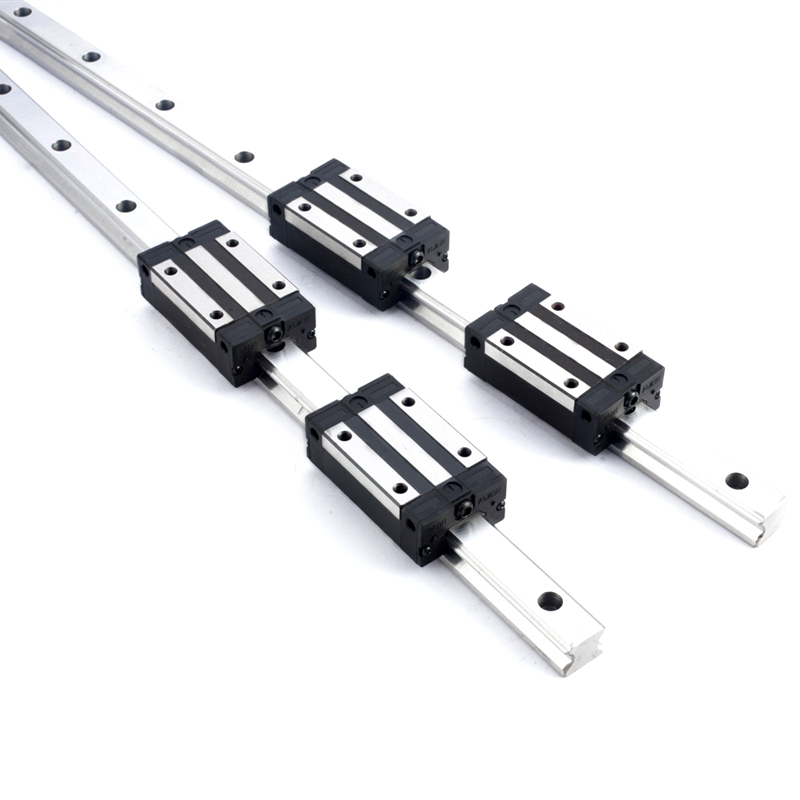
Industrial automation and mechanical transmission systems rely heavily on precise linear movement. In many of these systems, the Linear Shaft works together with linear bearings to guide motion along a fixed axis. The compatibility between shafts and bearings has a direct influence on smoothness, accuracy, vibration level, and overall equipment stability during operation.
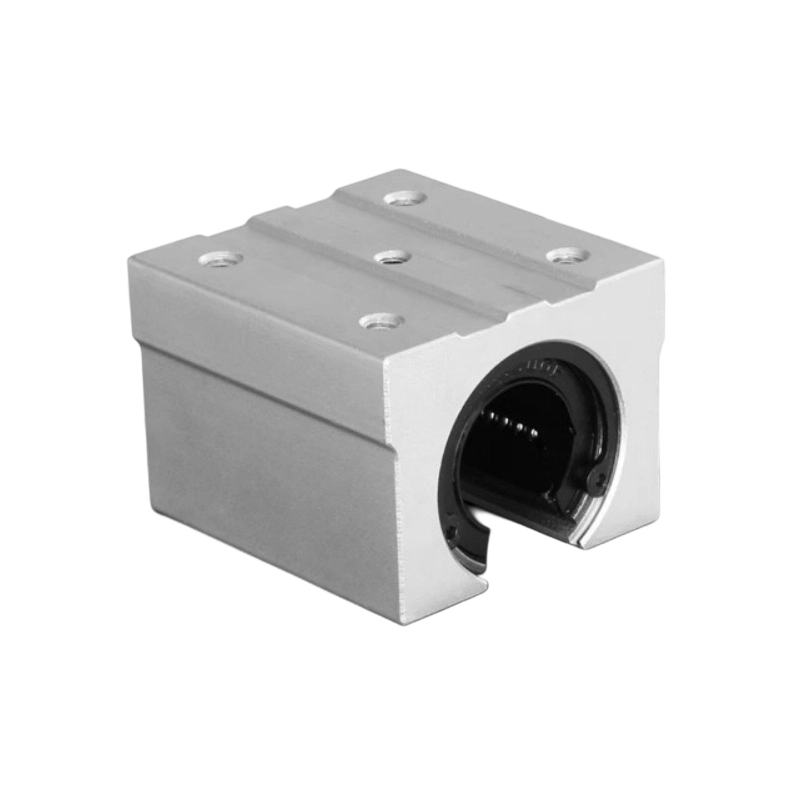
Basic Working Relationship Between Shaft and Bearing
Linear shafts act as the guiding rail for motion, while bearings provide a low-friction interface that allows components to slide smoothly. When both parts are properly matched, the system can maintain stable movement with reduced resistance and consistent positioning.
In many industrial machines, this pairing is used repeatedly in sliding tables, positioning systems, and automated handling units. The quality of this interaction determines how efficiently the system can operate under continuous movement cycles.
Common Types of Linear Bearings
Different bearing structures are designed for specific motion requirements and load conditions.
Ball Linear Bearings
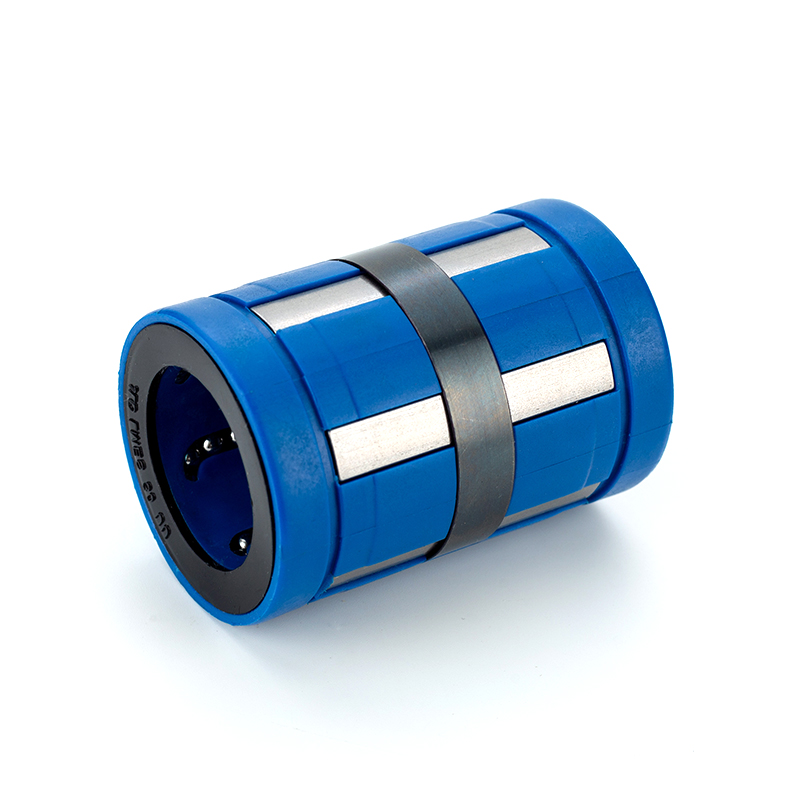
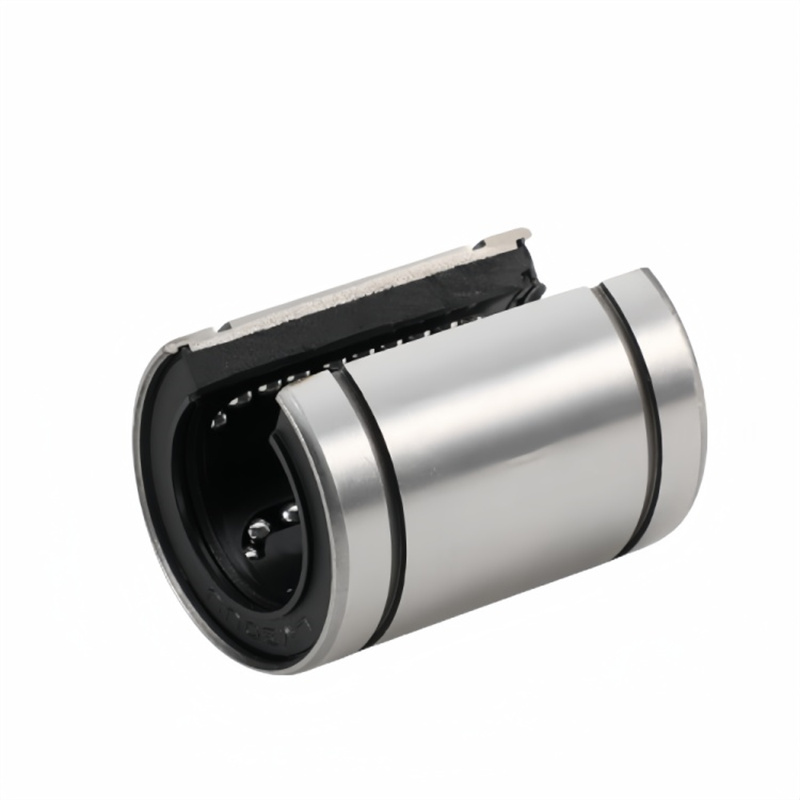
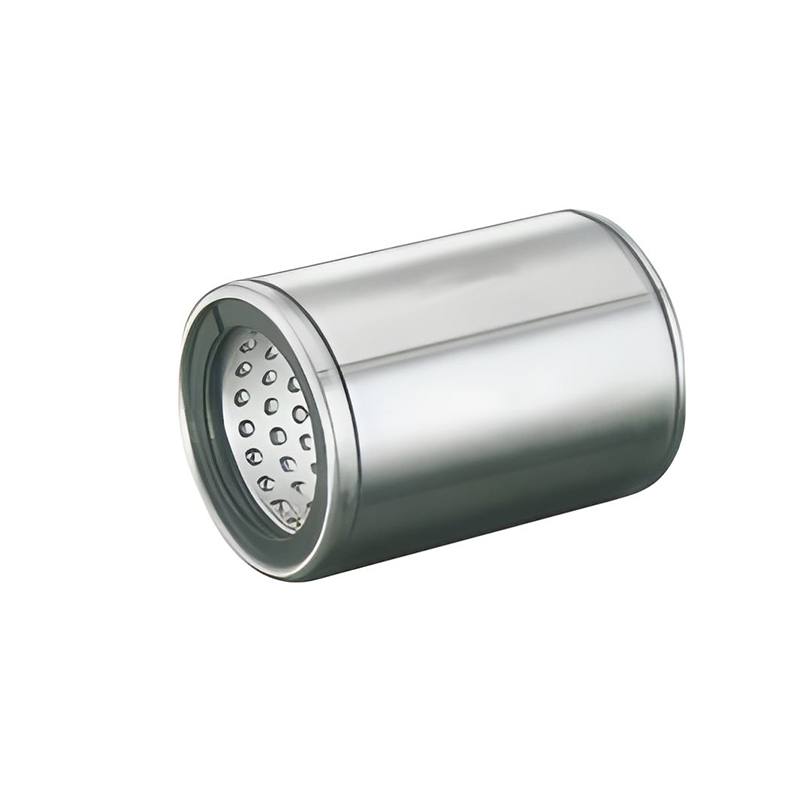
Ball-type linear bearings are widely used in industrial equipment. Internal ball elements rotate during movement, reducing friction between the shaft and bearing housing. These bearings are commonly found in CNC machinery, automation systems, and light industrial equipment where smooth motion is required.
Flanged Linear Bearings
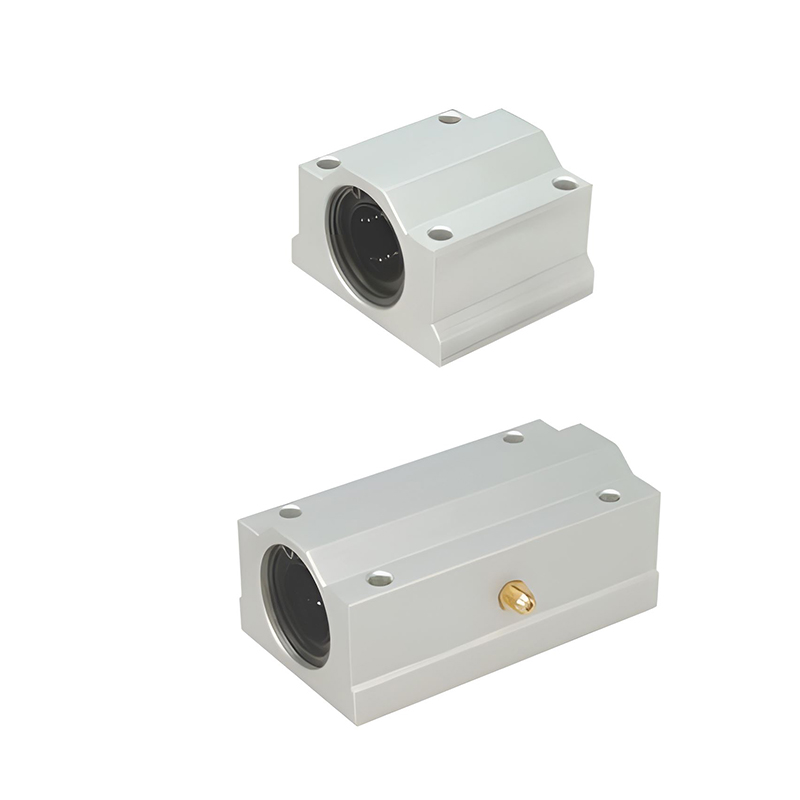
Flanged bearings include an extended mounting structure that improves installation stability. They are often used in systems that require fixed alignment and resistance to lateral movement. This design helps maintain consistent positioning during repeated motion cycles.
Compact Linear Bearings
Compact bearings are designed for equipment with limited installation space. Even with reduced size, they still provide stable linear movement and are frequently used in compact automation devices and precision instruments.
Shaft Diameter and Bearing Matching
One of the most important compatibility factors is correct shaft diameter selection. Standard industrial sizes include 6 mm, 8 mm, 10 mm, 12 mm, 16 mm, and 20 mm. Each bearing type is designed to match a specific shaft size range.
If the shaft diameter does not match the bearing specification, several issues may occur, such as increased friction, unstable movement, or accelerated wear. Proper sizing ensures smoother operation and longer service life of both components.
Importance of Fit and Tolerance Control
The fit between shaft and bearing must be carefully controlled. If clearance is too large, the shaft may move unevenly inside the bearing, leading to vibration or reduced precision. If the fit is too tight, friction increases, which can affect movement speed and cause overheating in continuous operation.
Manufacturing precision plays a key role in ensuring proper tolerance. Ground shaft surfaces are commonly used to maintain a consistent diameter and improve motion stability.
Surface Condition and Motion Performance
The surface quality of a linear shaft directly affects how it interacts with bearings. A smoother surface reduces friction and helps bearings glide more evenly along the shaft. Rough or uneven surfaces can increase resistance and shorten component lifespan.
Surface treatments such as chrome plating or hardening processes are often used to improve wear resistance. These treatments help maintain stable operation even under frequent motion cycles and mechanical load variations.
Supported and Unsupported Shaft Structures
Linear shaft systems can be installed in different structural configurations depending on application requirements.
Unsupported Shaft Systems
In unsupported systems, the shaft is fixed only at both ends. This structure is suitable for shorter distances and lighter load conditions. However, longer shafts may experience bending or deflection under stress.
Supported Shaft Systems
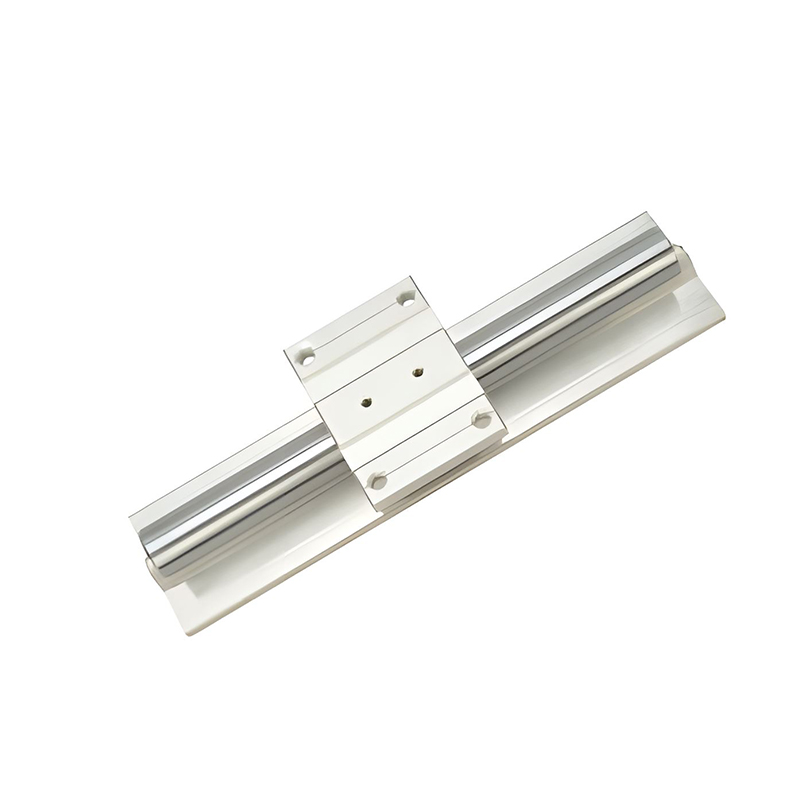
Supported systems include additional support structures along the shaft length. This reduces deflection and improves stability, especially in longer travel applications or higher load environments. These systems are commonly used in industrial automation equipment.
Application in Motion Systems
Linear shafts and bearings are widely used in various industrial and mechanical systems.
CNC Machinery
In CNC equipment, shafts and bearings work together to achieve controlled and repeatable positioning during machining operations.
Automation Production Lines
Automated systems rely on linear motion components for transporting, sorting, and positioning materials in repetitive cycles.
Robotics Systems
Robotic mechanisms use linear shafts in sliding joints and guiding structures to support controlled mechanical movement.
Precision Equipment
Compact and precise motion systems use shaft-bearing combinations to ensure stable and accurate movement in small-scale applications.
Common Compatibility Issues
Improper matching between shafts and bearings can lead to several operational problems.
Vibration and Noise
Poor alignment or incorrect fit may result in vibration during movement and increased operational noise.
Uneven Wear Patterns
Misalignment can cause localized wear on the shaft surface, reducing component lifespan.
Reduced Motion Smoothness
Excess friction or poor surface quality may lead to irregular or inconsistent movement behavior.
System Instability
Long-term incompatibility may affect overall machine stability and reduce positioning accuracy.
Maintenance and Operational Care
Proper maintenance practices help extend system performance and reduce downtime.
Lubrication
Lubricants reduce friction between shaft and bearing surfaces, supporting smoother motion and reducing wear.
Regular Inspection
Periodic inspection helps identify early signs of wear, contamination, or misalignment before serious issues develop.
Component Replacement
When wear reaches a certain level, replacing shafts or bearings helps restore normal system performance and stability.
Development Trends in Linear Motion Systems
Modern motion systems continue to focus on improved precision, better surface quality, and more stable component compatibility. Advances in manufacturing processes are supporting smoother interaction between shafts and bearings.
As automation systems become more widely adopted, demand for reliable linear motion components continues to grow across multiple industrial sectors.

Lishui City Jialida Bearing Co., Ltd. is a company specializing in R&D, production and operation of linea motion series transmission components.
Copyright © Lishui City Jialida Bearing Co., Ltd. All rights reserved.
