Shaft Collar Product Introduction
I. General Product Definition
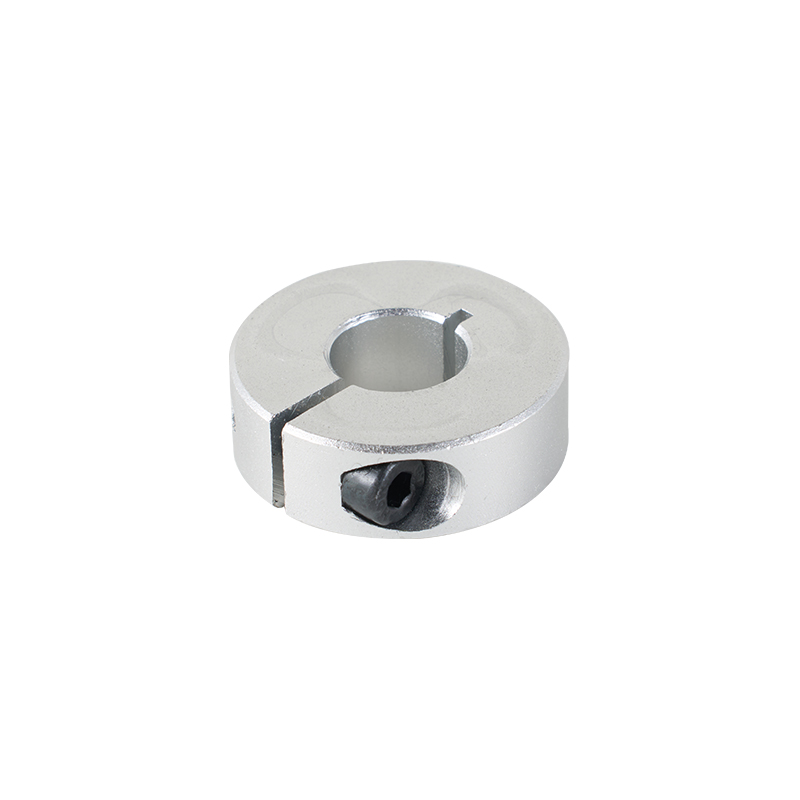
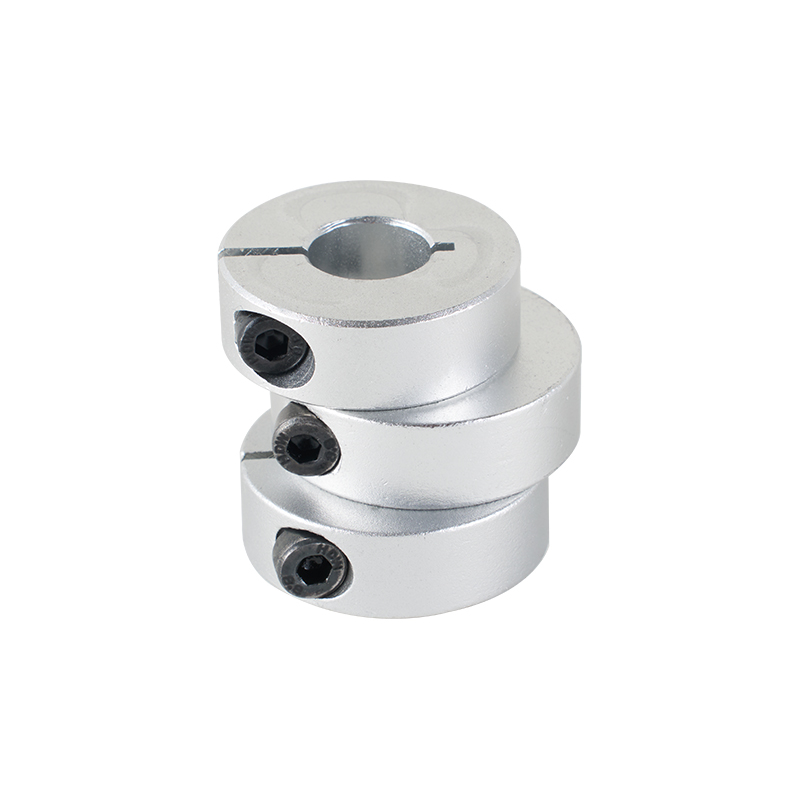
Shaft collars are standard industrial fasteners—specifically, metal rings designed to fit around cylindrical drive shafts. Shaped like hollow rings and secured via set screws or single/split-clamp mechanisms, they allow for the fixation of components without requiring modifications (such as cutting) to the drive shaft itself. Unlike snap rings, shaft collars offer superior load-bearing capacity and require no specialized tools for installation or removal, making them an essential, fundamental component for power transmission equipment.
II. Specialized Overseas B2B Application Scenarios
Targeting industrial OEMs and overseas hardware distributors exclusively (no consumer/residential applications):
- Logistics Conveyor Systems: Used on parcel sorting conveyors in Europe and the US to secure drive shafts on both sides of rollers, preventing lateral shifting (average usage: 24–36 units per sorting line);
- Small Agricultural Machinery: Used on drive shafts for residential lawnmowers and fertilizer spreaders to position sprockets and prevent displacement caused by rough terrain;
- Medical Automation Equipment: Used on small robotic arms for blood sampling to separate bearings from drive shafts, preventing axial compression of precision components; 4. Packaging Machinery: Used on European food sealing machines to position pulleys and ensure consistent sealing intervals.
III. Purchasing Motivations & Solutions for Overseas Customer Pain Points
- Private Label Launches: Enables small-to-medium-sized hardware distributors in Europe and the US—who often lack supply chains for non-standard shaft collars—to round out their fastener product lines with customizable options like laser-etched logos and localized packaging;
- Bulk & Retail Supply: Serves as a cost-effective alternative to imported stock from brands like MISUMI or HEYTET, reducing overseas restocking lead times from 45 days to just 12 days;
- Cost Optimization: Factory prices for stainless steel shaft collars are 27%–32% lower than those of local European and US brands. Effectively addresses three key pain points for overseas customers: slow local delivery times, high price premiums, and the tendency of set-screw models to scratch drive shafts.
IV. OEM/ODM Specifications
OEM: Supports processing with supplied materials, customer logo screen printing, and packaging replacement (neutral white boxes or EU-standard color boxes) without altering product structure; MOQ: 500 pcs. ODM: Supports customization of non-standard bore sizes, thickened end faces, and anti-corrosion Teflon coating; provides EU-standard RoHS test reports; MOQ: 3,000 pcs; drawing turnaround time: 3 working days.
V. Solutions to Customer Pain Points
- Drive shaft scratching: The split-type design utilizes wrap-around clamping force rather than single-point setscrew pressure, resulting in zero scratches on the shaft surface.
- Loosening due to temperature extremes: Suitable for operating temperatures of -40°C to 120°C; paired with anti-loosening bolts, the loosening rate under vibration conditions is below 0.3%.
- Customs compliance: MSDS and RoHS certificates provided for all batches, meeting EU and North American customs inspection requirements.
VI. Target Customer Requirements
We accept bulk B2B orders only and do not handle individual retail requests; we do not serve DIY enthusiasts, cross-border individual dropshippers, or buyers seeking single-unit purchases. Our core client base consists of automation equipment OEMs, overseas offline hardware wholesalers, and automation solution integrators in Europe and the US. MOQ for standard off-the-shelf products is 200 pcs.
VII. FAQ
Q1: How do I choose between the split-type and setscrew-type models?
A1: Choose the setscrew type for low-speed, static equipment (15% lower cost); choose the split-type for high-frequency vibrating conveyor equipment.
Q2: Do you support mixed-batch orders?
A2: Mixed-batch orders are supported for items of the same material but different bore sizes; the minimum mixed-batch quantity is 200 pcs.
Q3: How is rust prevention handled for ocean shipping?
A3: Standard packaging includes VCI (Volatile Corrosion Inhibitor) bags and sturdy cartons, meeting rust-prevention requirements for 45-day ocean transit.


 English
 Español
 Deutsch
 عربى
عربى
 +86 17398543323