
 English
 Español
 Deutsch
 عربى
عربى
 +86 17398543323
 +86 17398543323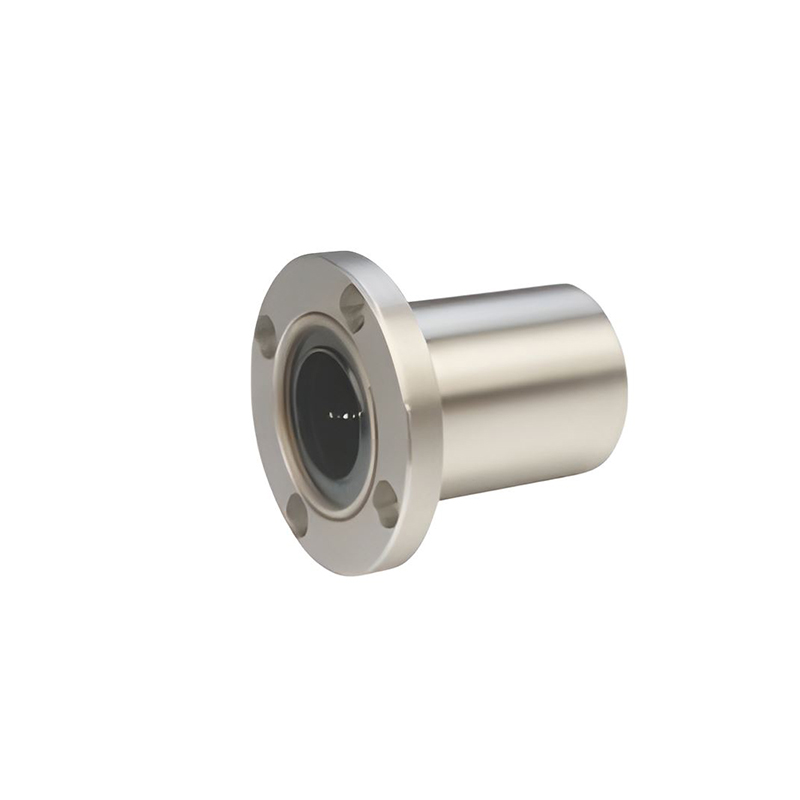
Lishui City Jialida Bearing Co., Ltd. is a company specializing in R&D, production and operation of linea motion series transmission components.
Enhanced Adaptive Stable Linear Bearings
LMES
When designing or selecting a CNC machine, the choice of linear motion technology is a foundational decision with wide-ranging implications for capability, cost, and application fit. The CNC linear guide rail, specifically the recirculating ball type, is a prevalent solution, but it exists within a landscape of alternatives. A clear understanding of how it compares with other systems—such as plain bearings, cross roller guides, and traditional sliding ways—allows for a more informed selection process based on the machine's intended function.
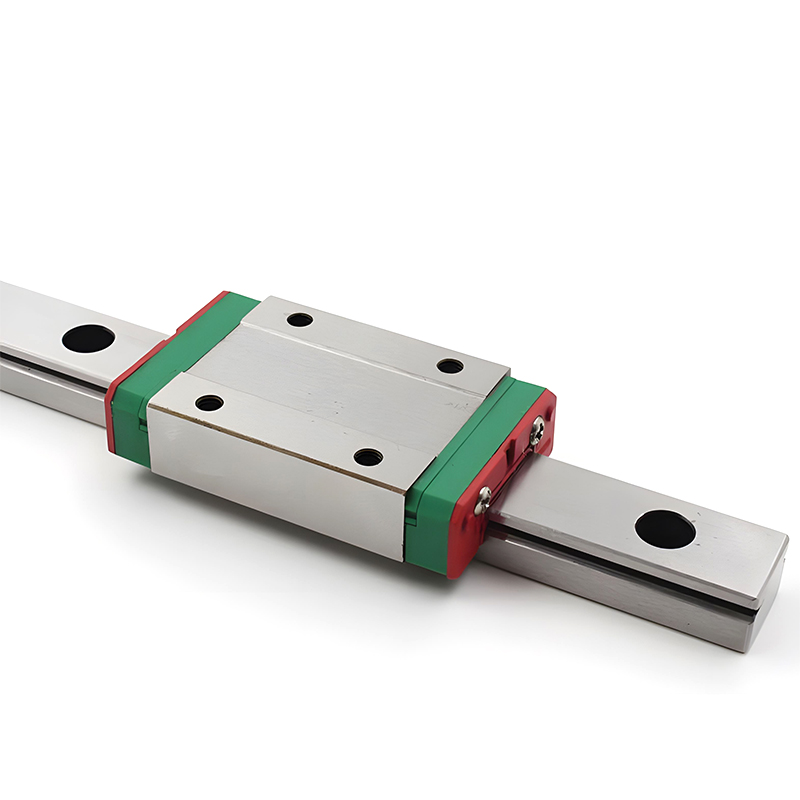
A useful comparison examines key functional attributes. Load capacity can be viewed in different directions: radial, reverse radial, and moment loads. Motion precision encompasses both running parallelism and positioning repeatability. System rigidity affects the machine's response under cutting forces. Friction characteristics influence low-speed smoothness, power consumption, and heat generation. Finally, considerations around installation complexity, sealing requirements, and initial cost complete the picture.
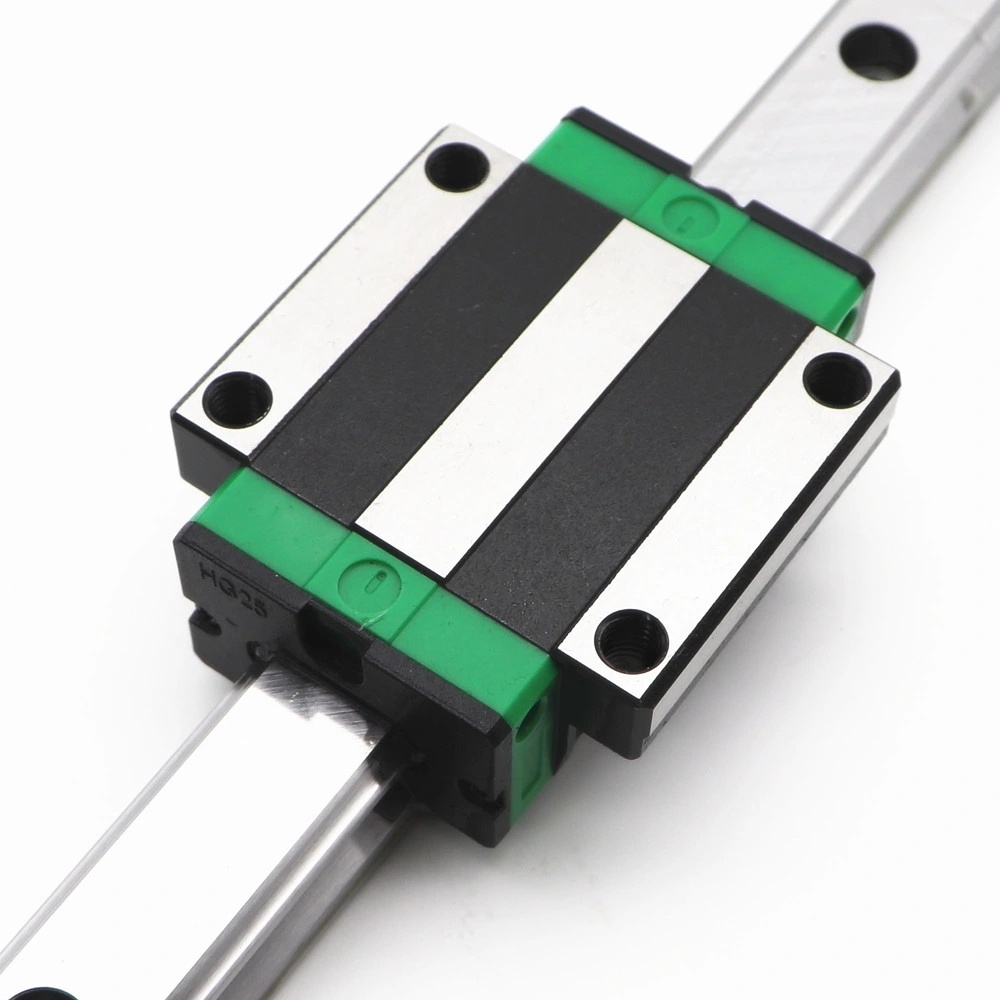
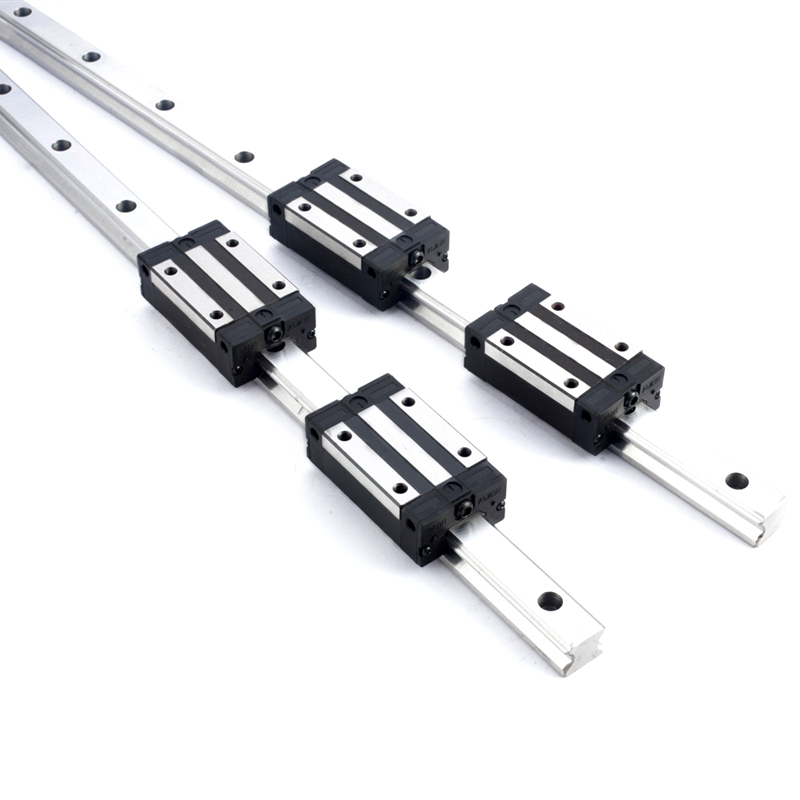
The recirculating ball linear guide offers a balanced profile. It provides strong load ratings in multiple directions, high rigidity from its geometry and preload options, and very consistent, low-friction motion due to the rolling contact. This makes it suitable for applications demanding high speeds, rapid acceleration, and precise positioning. Its modular nature also simplifies installation and replacement compared to some integrated alternatives.
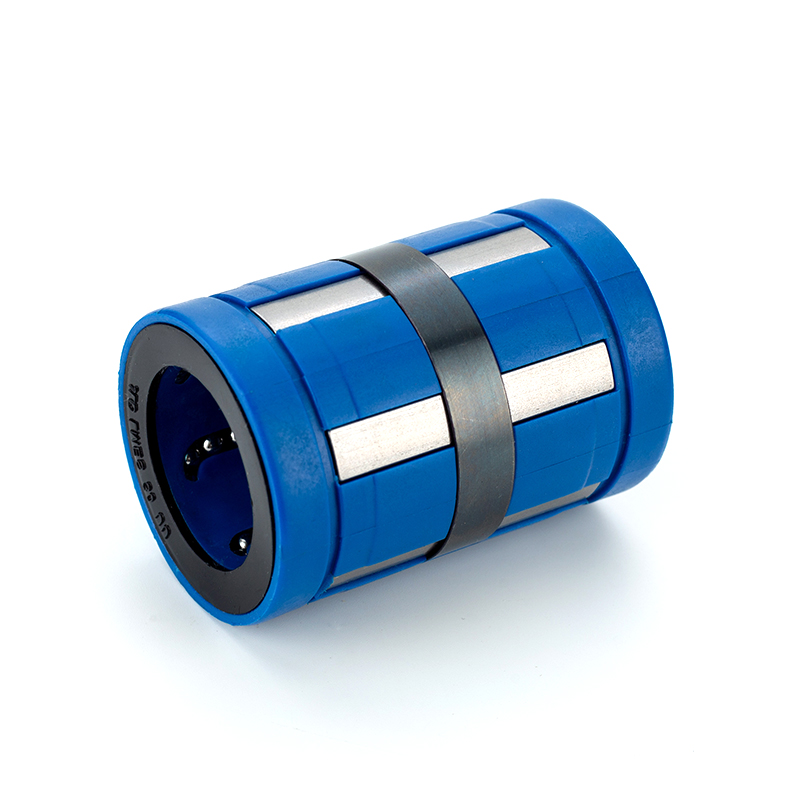
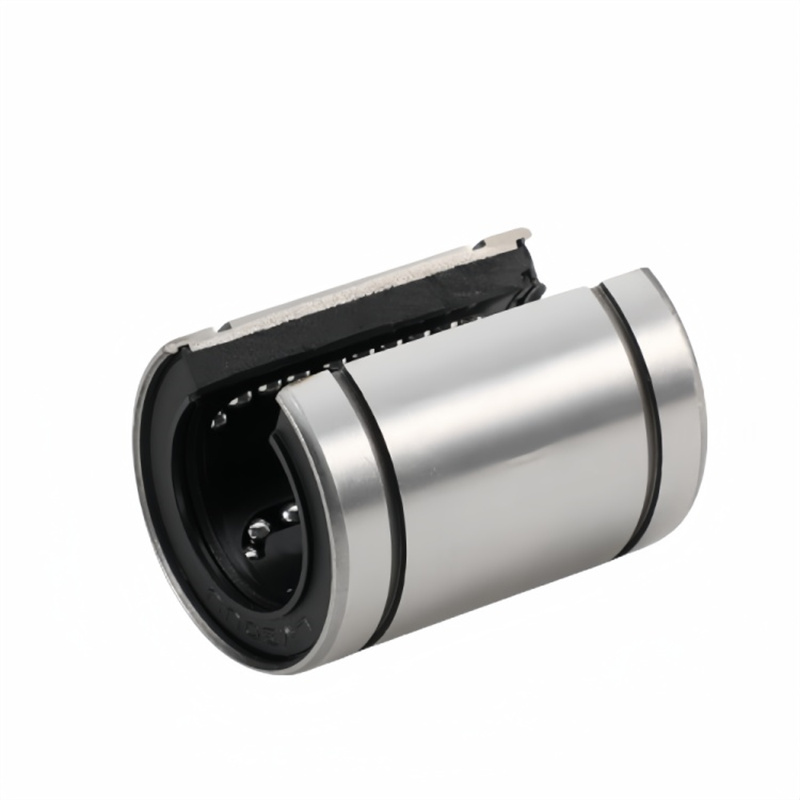
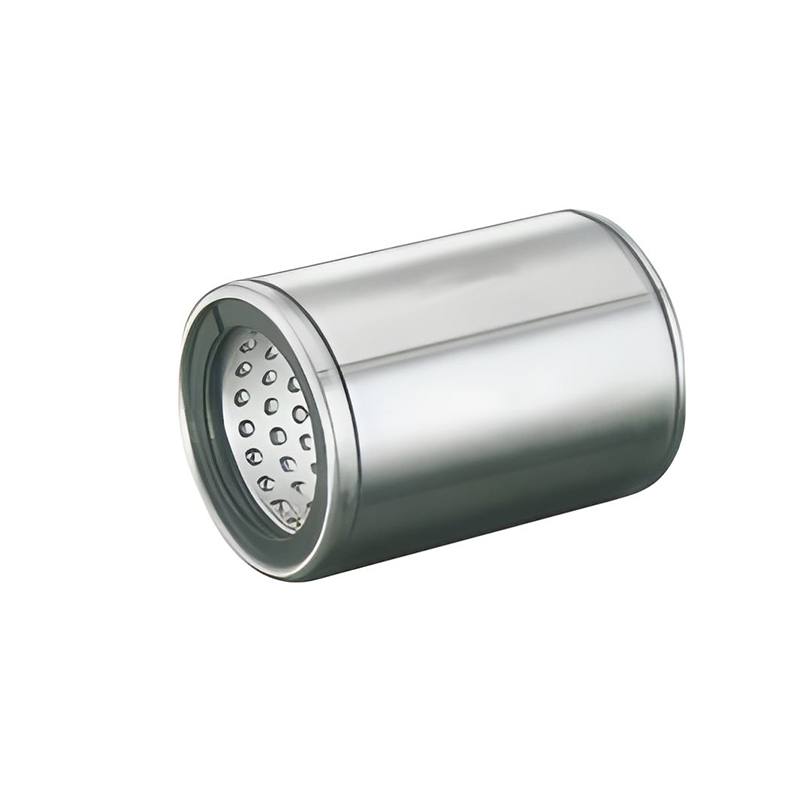
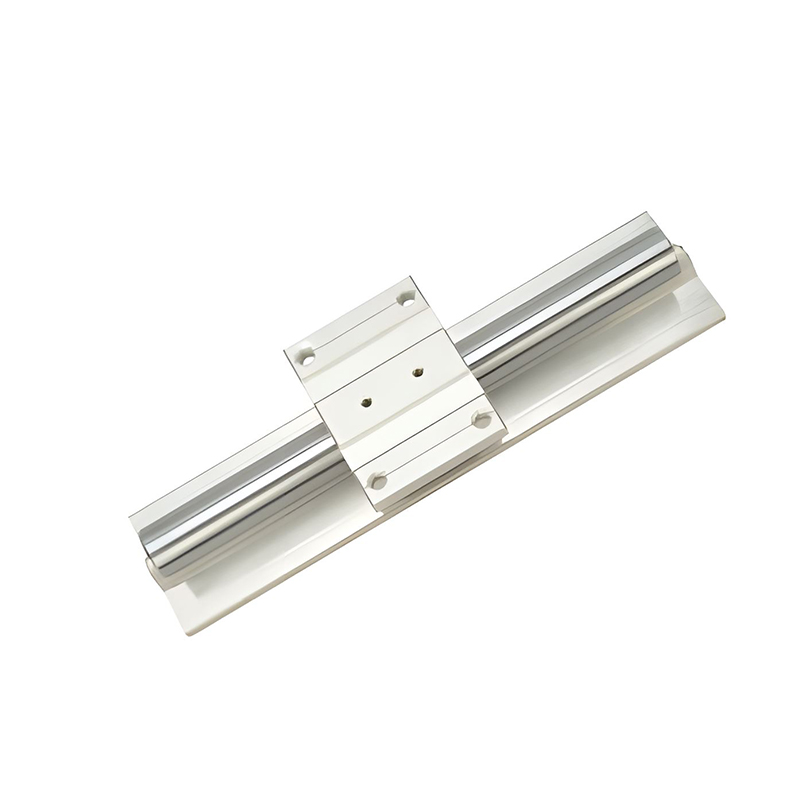
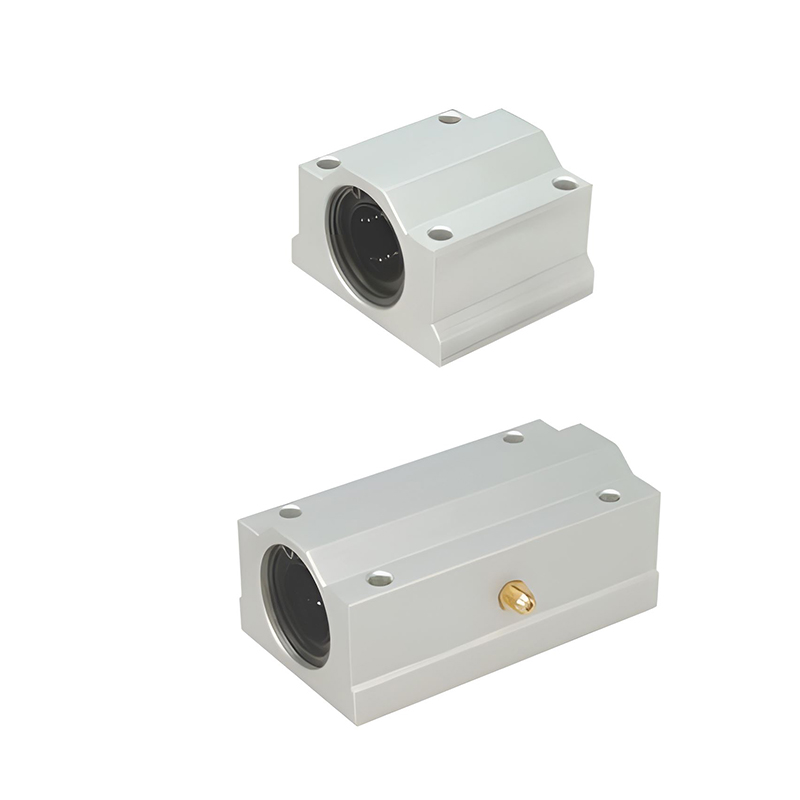
Plain bearing systems, often called linear bushings and shafts, represent a different approach. They typically offer lower friction and can be quite cost-effective for simpler mechanisms. However, their load capacity, particularly for moment loads, is more limited, and their precision and long-term accuracy retention are generally not on par with guided systems. They can be a practical choice for secondary axes, light-duty applications, or where cost sensitivity is high.
Cross roller guides utilize cylindrical rollers arranged in a crossed pattern between V-grooved raceways. This design provides line contact, resulting in very high rigidity and load capacity in a compact footprint. They are often selected for applications where exceptional stiffness and accuracy are required, such as in precision measuring instruments or the direct mounting of rotary axes. Their trade-offs can include a lower maximum speed than ball-based guides and a sensitivity to installation surface quality.
Traditional sliding ways, such as hardened steel ways with a soft metal or polymer lining, operate on a principle of sliding contact with a large surface area. This design gives them very high damping characteristics and an ability to withstand heavy, intermittent loads and impacts that might damage rolling element guides. They are a traditional choice for large, heavy-duty machine tools like planer mills or heavy vertical lathes. The sliding friction, however, can lead to higher power requirements, potential for stick-slip at low speeds, and generally generates more heat.
The choice between these technologies is seldom about finding a single "winner" but rather about matching attributes to the machine's primary tasks. For a high-speed machining center where velocity, acceleration, and finish quality are priorities, the balanced performance of a recirculating ball linear guide is often a strong fit. For a heavy-duty boring mill subjected to significant shock loads during interrupted cuts, the damping and massive load support of traditional sliding ways may be the appropriate choice.
A design process might start by defining non-negotiable parameters: Is the axis moving a light spindle at high feed rates, or is it positioning a massive component? Is the operating environment clean or filled with abrasive dust? What level of positional consistency is required for the parts being made? Answering these questions helps narrow the field. For instance, a high-precision grinding machine spindle carrier might lean toward a cross roller guide for stiffness, while a tool changer's extension arm might adequately use a plain bearing system.
The CNC linear guide rail is a versatile and capable component within a family of linear motion solutions. A meaningful evaluation involves a clear-eyed look at the performance characteristics, benefits, and compromises of each available technology. By systematically assessing the demands of the specific CNC application—its load cycles, speed requirements, precision needs, and operational environment—designers and engineers can select the motion system that provides a reliable and cost-effective foundation for the machine's intended work, ensuring its performance aligns with its purpose from the outset.

Lishui City Jialida Bearing Co., Ltd. is a company specializing in R&D, production and operation of linea motion series transmission components.
Copyright © Lishui City Jialida Bearing Co., Ltd. All rights reserved.
