
 English
 Español
 Deutsch
 عربى
عربى
 +86 17398543323
 +86 17398543323
Lishui City Jialida Bearing Co., Ltd. is a company specializing in R&D, production and operation of linea motion series transmission components.
Enhanced Adaptive Stable Linear Bearings
LMES
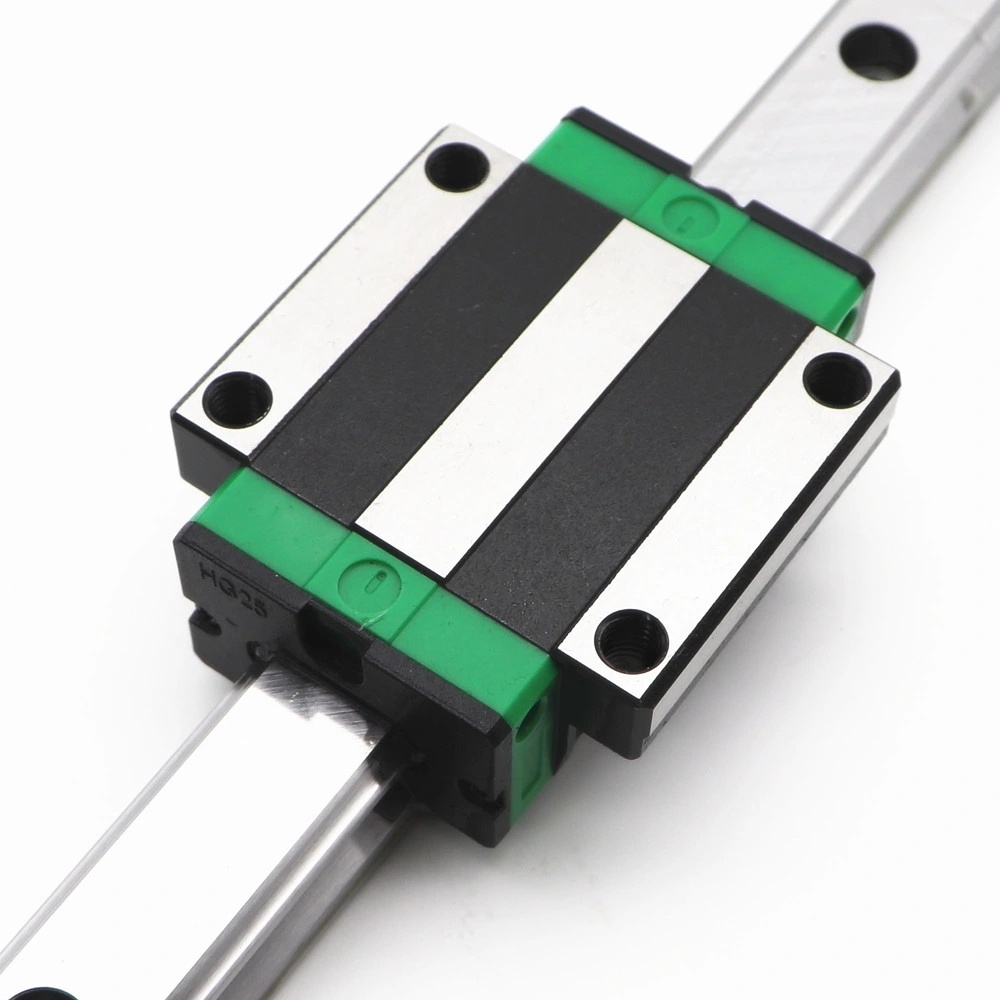
The CNC linear guide rail is an engineered component designed for durability, but like all mechanical systems, it is subject to wear over time. The management of this wear process through informed maintenance is what separates predictable, continuous operation from unexpected breakdowns. Understanding the common modes of wear, their causes, and the practices that can slow their progression is important for anyone responsible for the uptime and accuracy of CNC equipment.
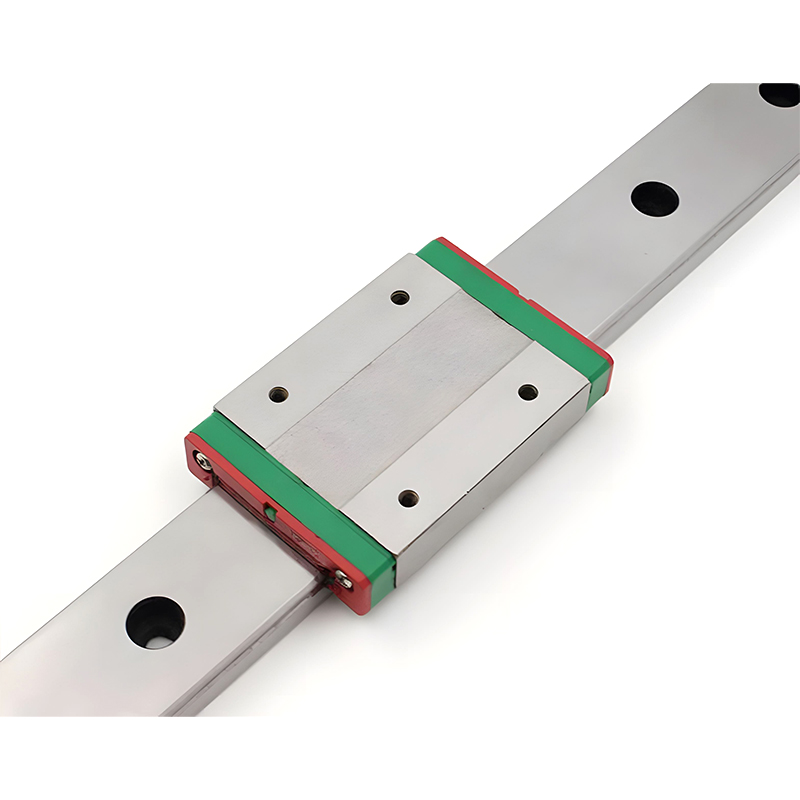
Several distinct wear mechanisms can affect linear guide systems. Abrasive wear is perhaps the most frequently encountered. It occurs when hard foreign particles, such as metal swarf, grinding dust, or environmental grit, infiltrate the guideway. These particles act as a grinding paste between the rolling elements and raceways, leading to scoring, increased clearance, and a loss of preload. Fatigue wear, or surface fatigue, manifests differently. It results from the repeated Hertzian contact stresses as the balls or rollers travel along the raceway. Over a large number of cycles, this can lead to pitting or spalling—small fractures and fragments breaking away from the metal surface.
Corrosive wear happens when moisture or aggressive chemical agents, like certain coolants, attack the steel surfaces. This can create rust and pitting, which in turn become initiation points for abrasive or fatigue wear. The progression of any wear mechanism is accelerated by factors such as improper lubrication, excessive load beyond the guide's rating, misalignment during installation, or impact loads. Early signs often include subtle changes: a slight increase in operating noise, a gradual decline in positioning repeatability, or discolored lubricant that may contain fine metallic debris.
A systematic inspection schedule is the cornerstone of proactive maintenance. This schedule should be tiered, from frequent, simple checks to more detailed periodic examinations. Daily or weekly visual inspections can quickly identify major issues like broken seals, visible contamination buildup, or obvious damage. Listening for changes in the sound of axis movement during operation can also provide early auditory clues.
More formal monthly or quarterly inspections should involve functional checks. Using a dial indicator to measure the straightness and parallel alignment of the carriage travel can quantify wear that affects accuracy. Checking that wipers and seals are intact and flexible is important for contamination control. During these intervals, re-lubrication should be performed according to the machine's operational schedule. An annual or bi-annual comprehensive inspection might involve a more thorough cleaning and a detailed examination of the raceways and rolling elements for signs of pitting, spalling, or indentations, assessing whether adjustment or replacement is approaching.
When maintenance is performed, correct procedures make a difference. Cleaning should be done with care, using lint-free cloths and appropriate solvents. Compressed air should be used cautiously, if at all, as it can force contaminants past seals into the bearing area. For guide systems with adjustable preload, periodic checking and correction can compensate for initial wear-in or minor wear, helping to restore system stiffness and reduce play. Preload adjustment, however, requires following the manufacturer's specified method and torque values to avoid creating excessive drag or heat.
A critical maintenance decision is determining when to replace components. Signs that replacement should be considered include visible spalling over a notable area of the raceway, a measured loss of accuracy that cannot be corrected through machine calibration, or excessive clearance that cannot be taken up by preload adjustment. Operating a guide system with advanced fatigue damage can lead to catastrophic failure, resulting in more extensive machine damage and longer downtime.
Effective maintenance for CNC linear guide rail systems is not an isolated activity; it should be integrated into the overall operational workflow. This means documenting inspection results, tracking lubrication schedules against machine runtime, and training personnel to recognize early warning signs. By treating guideway maintenance as a scheduled, valued part of production rather than a reactive task, workshops can achieve greater operational predictability. This approach directly contributes to sustaining part quality, managing long-term maintenance costs, and ensuring that the machine tool continues to perform as intended throughout its service life.

Lishui City Jialida Bearing Co., Ltd. is a company specializing in R&D, production and operation of linea motion series transmission components.
Copyright © Lishui City Jialida Bearing Co., Ltd. All rights reserved.
