
 English
 Español
 Deutsch
 عربى
عربى
 +86 17398543323
 +86 17398543323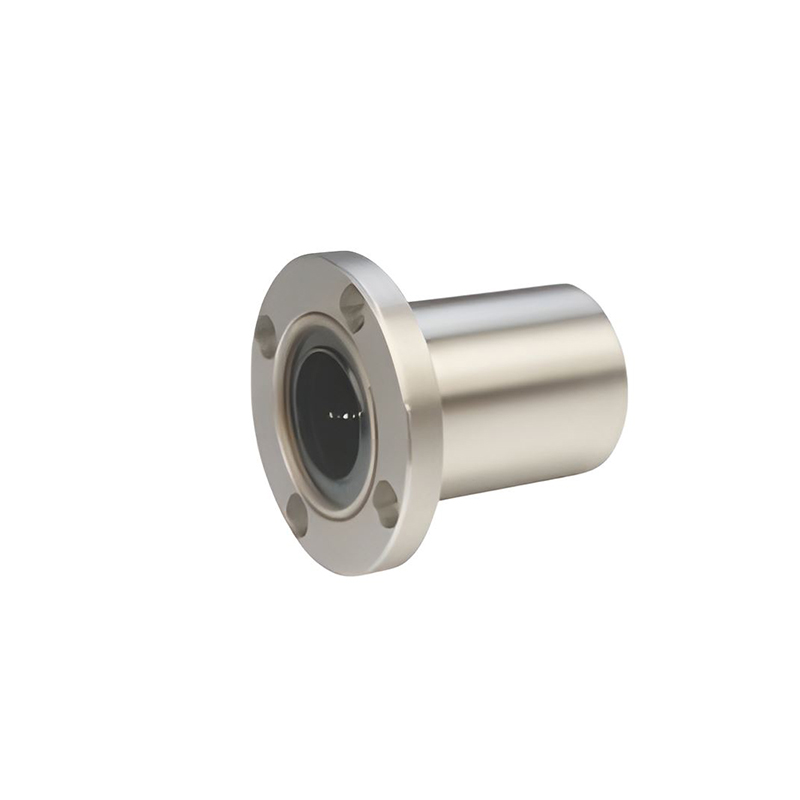
Lishui City Jialida Bearing Co., Ltd. is a company specializing in R&D, production and operation of linea motion series transmission components.
Enhanced Adaptive Stable Linear Bearings
LMES
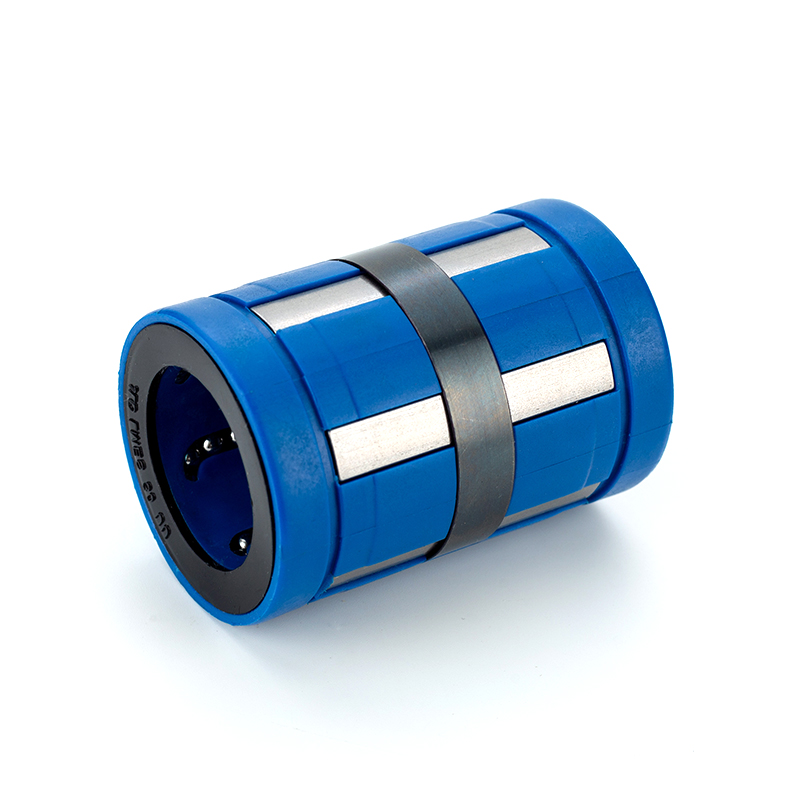
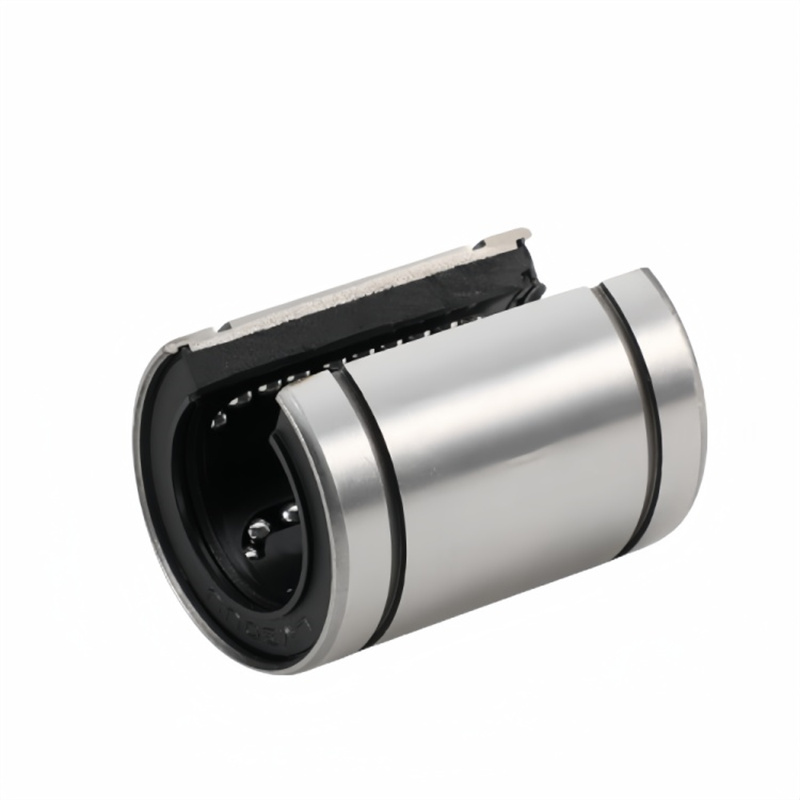
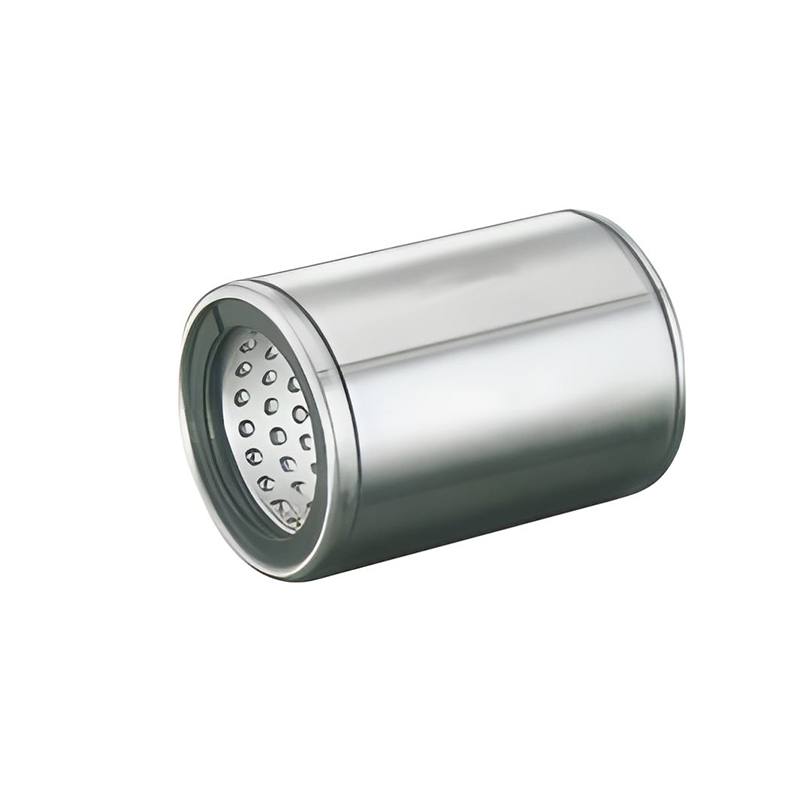
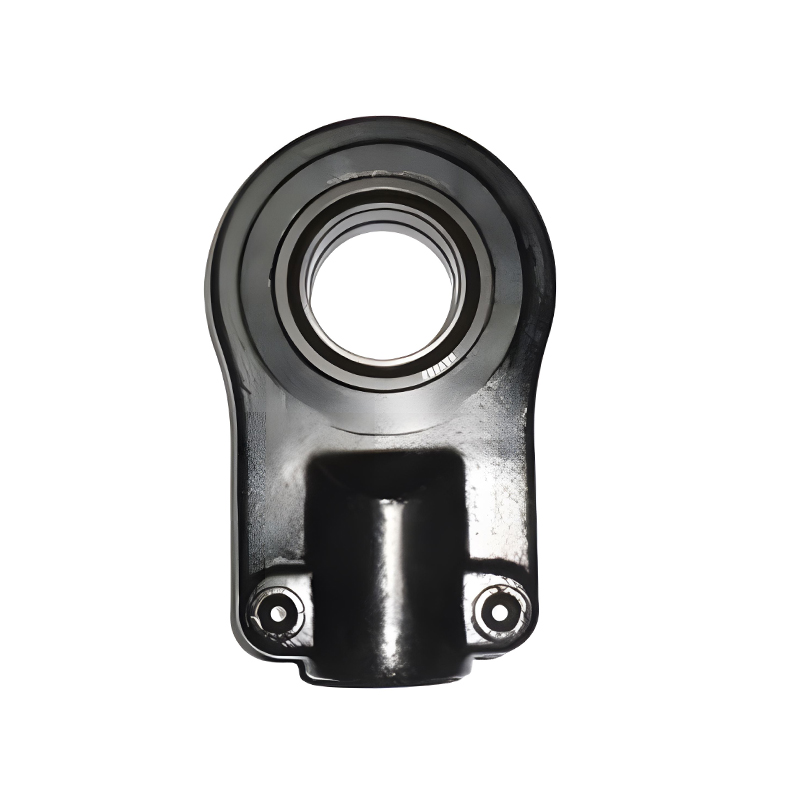
Focusing on the interconnected issues of noise, wear, and lubrication provides a direct path to improving the reliability of Cylinder bearing applications. These three areas are frequently at the center of operational challenges. A closer look at their causes and solutions offers practical strategies for sustaining bearing performance.
The sounds a bearing makes during operation can be informative. A steady, low-pitched hum often arises from a lack of lubricant, allowing metal-to-metal contact, or from using a grease that is not suited to the operating speed or temperature. Intermittent scraping or crunching noises typically signal that contaminants like dirt or sand have entered the bearing, causing abrasion. A repeated clicking or tapping sound might indicate a discrete fault, such as a dent on a rolling element or a crack in a raceway. Recognizing these auditory patterns helps in identifying the underlying issue before it progresses.
Examining a disassembled bearing can reveal the history of its service. Uniform wear across the raceways and rolling elements is often consistent with a bearing that has reached the end of its service life under expected loads. Asymmetric or localized wear, however, suggests other factors. Wear concentrated on one side of the raceway can be a strong indicator of operational misalignment, where the bearing's self-aligning capability was exceeded. Etching or corrosion on the surfaces points to the ingress of water or corrosive agents, highlighting a potential inadequacy in the sealing arrangement for the environment.
Lubrication sits at the heart of preventing both noise and premature wear. Selecting a grease involves considering its base oil viscosity and thickener type in relation to the operating temperature range and speed of the application. The method of lubrication is also important; grease should be added slowly through the fitting while the equipment is running, allowing old grease and trapped contaminants to be purged from the seal lips. Establishing a relubrication interval is not a fixed rule but should be developed based on the specific conditions—higher temperatures, continuous operation, or dirty environments typically call for more frequent lubrication than clean, low-speed, intermittent use.
A scheduled inspection plan can catch issues early. This routine should include visual checks for grease leakage or seal damage, auditory checks for changes in operational sound, and tactile checks for excessive heat or looseness. Verifying that mounting bolts and shaft locking devices remain tight is a simple but effective task. Keeping a log of inspections, lubrication dates, and any observations creates a valuable record for tracking bearing condition over time and can help refine maintenance intervals.
Addressing the common challenges of noise, wear, and lubrication with a structured approach can have a noticeable effect on the operational life of a Cylinder bearing. Through attentive diagnosis, appropriate lubricant selection and application, and consistent preventive inspections, the functional period of these bearings can be supported. This focused maintenance effort contributes directly to the predictability and reliability of the equipment they serve.

Lishui City Jialida Bearing Co., Ltd. is a company specializing in R&D, production and operation of linea motion series transmission components.
Copyright © Lishui City Jialida Bearing Co., Ltd. All rights reserved.
