
 English
 Español
 Deutsch
 عربى
عربى
 +86 17398543323
 +86 17398543323
Lishui City Jialida Bearing Co., Ltd. is a company specializing in R&D, production and operation of linea motion series transmission components.
Enhanced Adaptive Stable Linear Bearings
LMES
Choosing the correct bearing for an application is a foundational step in mechanical design and maintenance. For a Cylinder Earring Bearing, this involves understanding several parameters to ensure a proper fit and functional match. This guide covers the key considerations for sizing, compatibility, and selection to support informed decision-making.
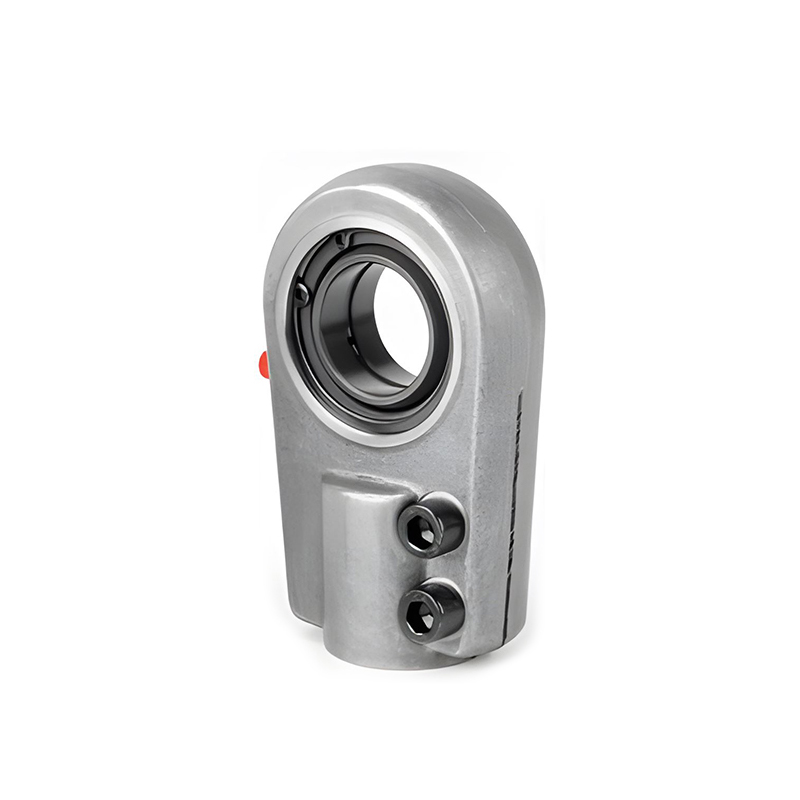
The most important dimension is the bore size, which must correspond to the diameter of the shaft on which it will be mounted. This measurement is typically given in millimeters or inches. The housing itself has several external dimensions that determine how it fits into the available space. These include the overall height, width, and the center-to-center distance between the mounting ear holes. This "mounting hole centers" dimension is necessary for aligning with existing bolt patterns or for drilling new mounting holes. Consulting a dimensional drawing for the specific bearing model provides a complete view of these measurements.
Cylinder Earring Bearings are often identified by a standardized model number that encodes their features. A common series designation, like UCP or UCF, indicates the housing style and the method used to lock the bearing onto the shaft (e.g., set screw versus eccentric collar). The numbers following this prefix generally relate to the bore size. While many manufacturers produce bearings to these common standards, subtle differences in materials, seals, or internal clearances may exist. When seeking a direct replacement, using the complete model number from the original part is advisable. For new designs, consulting technical specifications from suppliers ensures the selected model meets the application demands.
Several configuration choices are available, and the operating environment should guide selection. Housing material is one choice; cast iron housings offer rigidity and are often used in applications with substantial loads, while pressed steel housings provide a functional option for more moderate conditions. The type of seal significantly affects performance in different environments. Common options include contact seals made from rubber, which can be effective at excluding dust and moisture, and non-contact metal shields, which create a physical barrier with less friction. The locking mechanism—a set screw or an eccentric collar—is another consideration, with the latter often selected for applications with significant vibration to help maintain a secure hold on the shaft.
A straightforward process can aid in narrowing down choices. Begin by determining the required shaft diameter. Next, assess the application's load characteristics, rotational speed, and any environmental factors such as temperature, potential contamination, or exposure to liquids. These factors will point toward a suitable housing material and seal type. Finally, consider the available physical space for mounting to ensure the selected housing dimensions are compatible. Engaging with technical documentation or supplier catalogs during this process provides the detailed information needed to finalize a selection.
Selecting a Cylinder Earring Bearing requires attention to dimensional fit, model specifications, and the specific needs of the application. By systematically reviewing shaft size, housing dimensions, environmental conditions, and configuration options, a suitable bearing can be identified. This careful approach supports compatibility and contributes to the effective operation of the machinery in which it is installed.

Lishui City Jialida Bearing Co., Ltd. is a company specializing in R&D, production and operation of linea motion series transmission components.
Copyright © Lishui City Jialida Bearing Co., Ltd. All rights reserved.
