
 English
 Español
 Deutsch
 عربى
عربى
 +86 17398543323
 +86 17398543323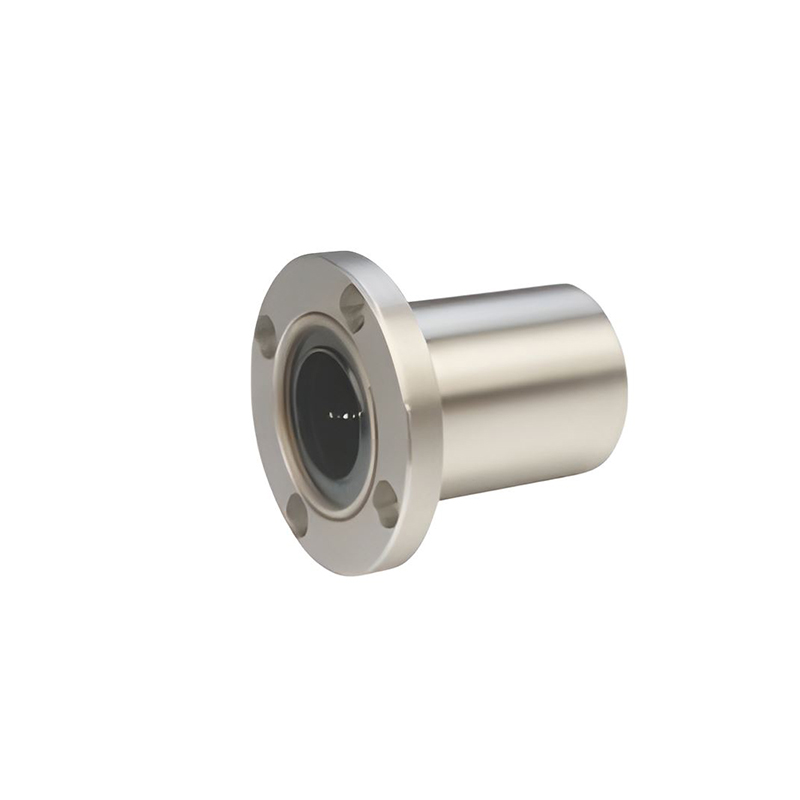
Lishui City Jialida Bearing Co., Ltd. is a company specializing in R&D, production and operation of linea motion series transmission components.
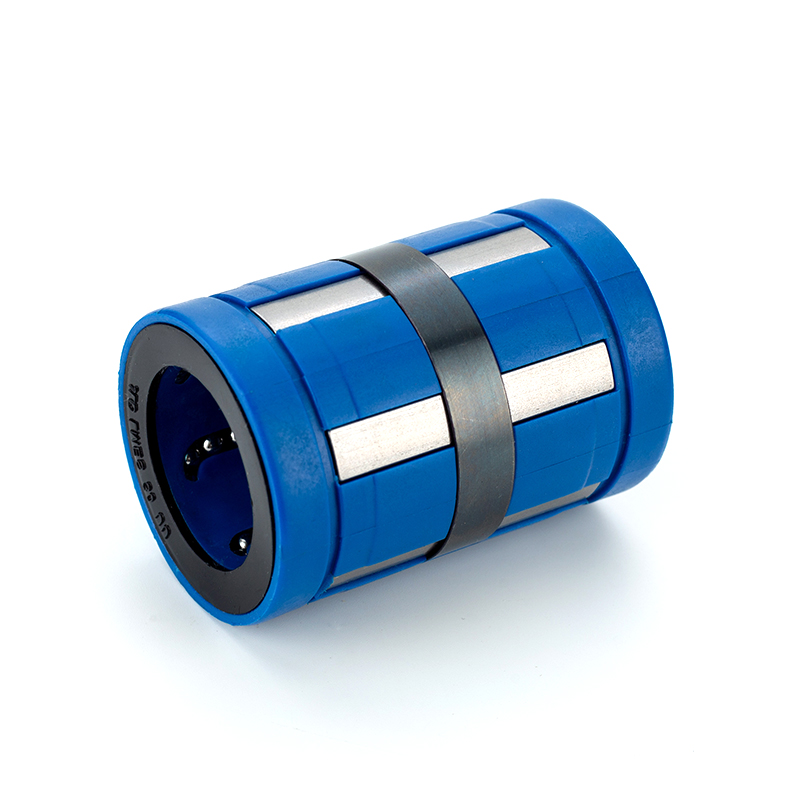
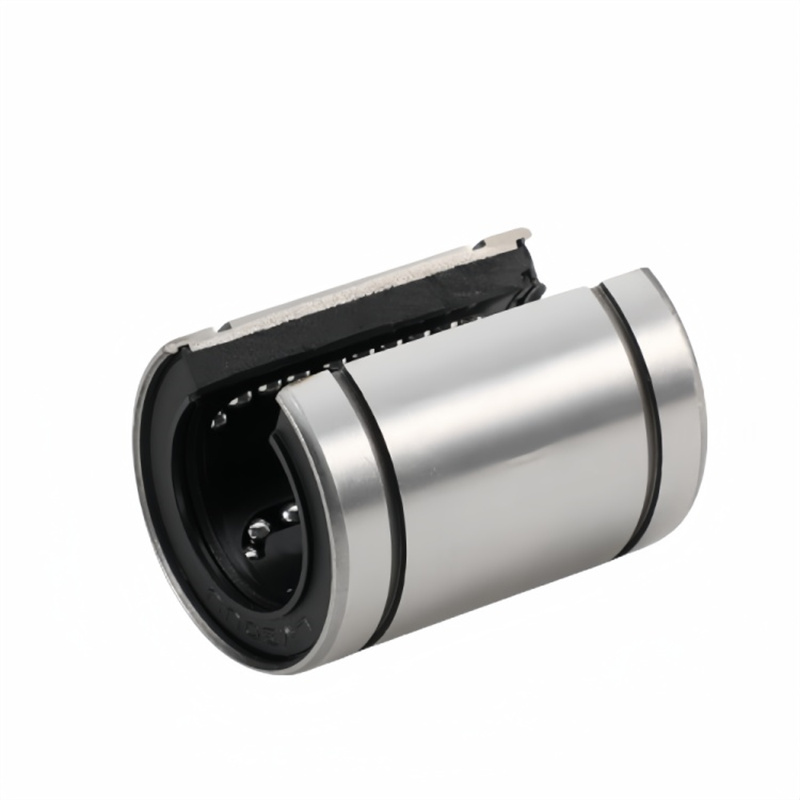
Enhanced Adaptive Stable Linear Bearings
LMES
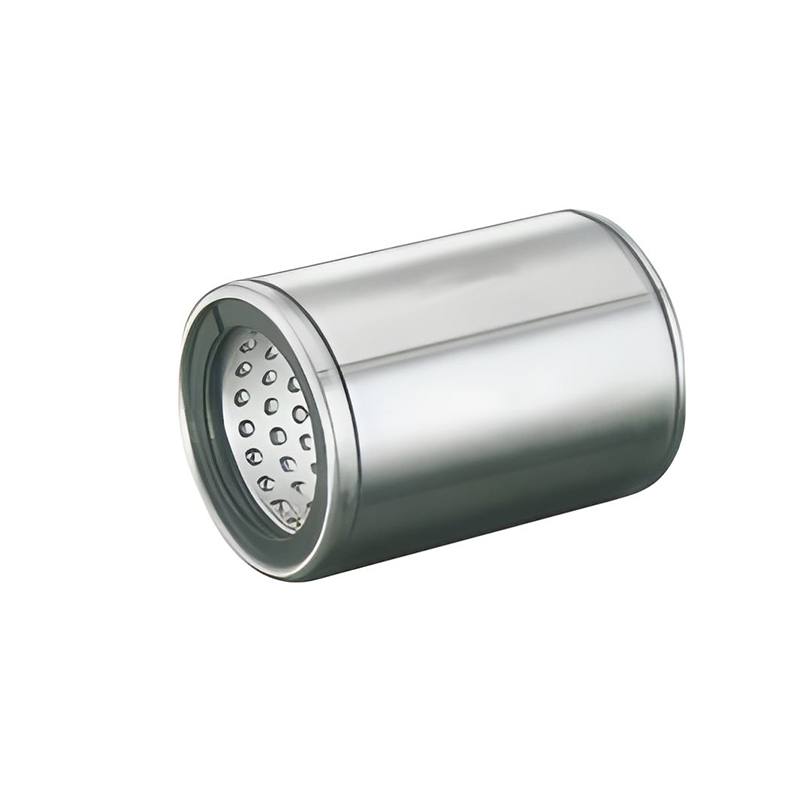
Even robust components like the Cylinder Earring Bearing can experience issues over time. Recognizing early signs of trouble and understanding their potential causes are key to preventing extended downtime. This guide addresses typical operational problems associated with these bearings and suggests maintenance practices to promote reliable service.
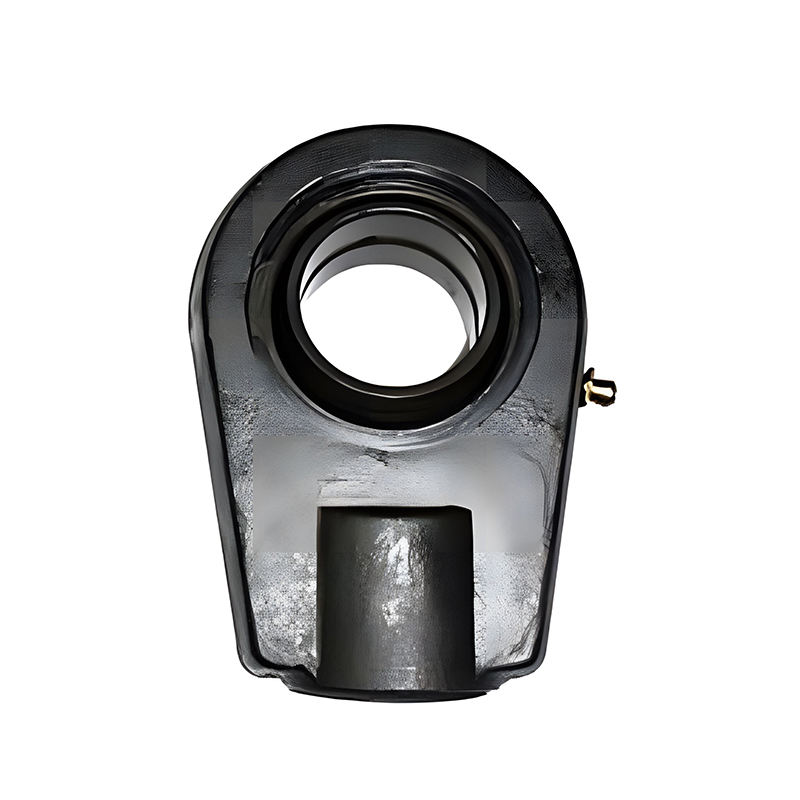
Unusual sounds during operation are often the first indicator of a developing issue. A consistent humming or whining noise may point to insufficient lubrication or the presence of contaminants within the bearing. Irregular scraping or grating sounds can suggest that internal components have begun to wear or are damaged. A knocking or clicking rhythm might indicate a problem with a rolling element or the cage that spaces them. Excessive heat felt on the bearing housing is another symptom, frequently linked to over-lubrication, excessive load, or severe misalignment. Finally, noticeable looseness or play in the bearing assembly often stems from wear in the bearing itself or from loosened locking and mounting hardware.
A logical sequence can help isolate the root of a problem. Begin with the simplest checks: verify that the bearing is adequately lubricated with the appropriate grease and inspect the seals for obvious damage that could let in dirt. Listen closely to locate the source of any noise. Check all set screws, locking collars, and mounting bolts for proper tightness. If symptoms persist, further inspection may be needed. This could involve disconnecting connected components to feel for roughness or binding when rotating the shaft by hand, which often confirms internal bearing wear.
Proactive maintenance directly addresses many common failure modes. Implementing a scheduled relubrication routine based on the operating environment—applying clean grease at defined intervals, using a grease gun with a precision nozzle to avoid over-application—displaces contaminants and maintains a protective film on internal surfaces. In dusty or wet conditions, inspecting seals more frequently (e.g., weekly instead of monthly) and ensuring the bearing area is kept as clean as possible with compressed air or a soft brush helps extend their life. Periodically verifying the tightness of locking mechanisms and mounting bolts, especially after the initial run-in period, can prevent problems related to loosening.
When troubleshooting confirms a bearing is no longer serviceable, careful removal and replacement are necessary. Use proper tools, such as a hydraulic puller for larger bearings or a manual puller for smaller ones, to detach the bearing from the shaft without damaging the shaft surface or bearing housing. Before installing a new Cylinder Earring Bearing, clean the shaft thoroughly with a degreaser and inspect for scratches or wear that could affect fit. Apply a light coat of oil or grease to ease installation. Follow established mounting procedures, ensuring the bearing is correctly positioned and secured to the manufacturer’s torque specifications. After installation, lubricate the bearing as specified and run the equipment at low speed initially, monitoring for normal operation, unusual sounds, or heat buildup.
Effective troubleshooting of a Cylinder Earring Bearing involves observing symptoms, methodically checking potential causes, and adhering to maintenance practices that prevent common failures. When replacement is required, careful execution of the process supports the performance of the new component. This approach contributes to sustained equipment operation and helps manage maintenance workloads.

Lishui City Jialida Bearing Co., Ltd. is a company specializing in R&D, production and operation of linea motion series transmission components.
Copyright © Lishui City Jialida Bearing Co., Ltd. All rights reserved.
