
 English
 Español
 Deutsch
 عربى
عربى
 +86 17398543323
 +86 17398543323
Lishui City Jialida Bearing Co., Ltd. is a company specializing in R&D, production and operation of linea motion series transmission components.
Enhanced Adaptive Stable Linear Bearings
LMES
In modern industrial production, motion accuracy and mechanical stability are closely linked to component selection. In many systems, the Linear Shaft plays a central role in guiding linear movement within CNC machines and automation equipment. Choosing the right shaft specification can influence positioning accuracy, operational stability, and long-term equipment performance.
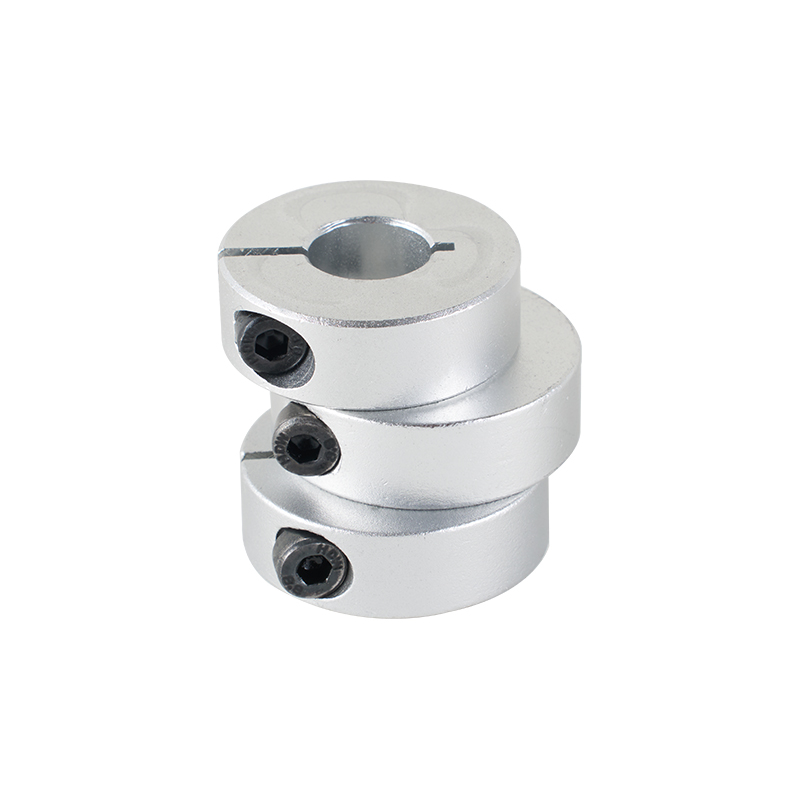
Understanding the Role of Linear Shafts in Machines
Linear shafts are commonly used as guiding elements in mechanical systems that require smooth and controlled movement. They work together with bearings and support structures to ensure that motion follows a precise linear path.
In CNC equipment and automation lines, shafts help maintain consistent tool movement and part positioning. Their performance is closely related to machining accuracy and system stability.
Key Specifications for Linear Shaft Selection
When selecting a linear shaft, several technical parameters must be considered to ensure compatibility with the machine design.
Shaft Diameter
Diameter is one of the most important selection factors. Common sizes include 6 mm, 8 mm, 10 mm, 12 mm, 16 mm, and 20 mm. Larger diameters generally provide higher rigidity, while smaller diameters are suitable for compact systems.
Incorrect diameter selection may lead to unstable movement or increased wear between the shaft and bearing.
Length and Straightness
Shaft length must match the machine travel requirements. Longer shafts require higher straightness accuracy to maintain smooth movement.
Even small deviations in straightness can affect positioning precision in high-accuracy equipment such as CNC machines.
Surface Finish
A smooth surface reduces friction between the shaft and bearing. Ground shafts are commonly used in applications requiring stable and repeatable motion. Poor surface quality may increase resistance and reduce system efficiency.
Material Selection for Different Applications
Different materials are used depending on working conditions and performance requirements.
Carbon Steel
Carbon steel shafts are widely used in general industrial equipment. They provide reliable mechanical strength and are suitable for indoor environments where corrosion risk is limited.
Stainless Steel
Stainless steel is preferred in environments exposed to moisture or cleaning processes. It is commonly used in medical equipment, food processing systems, and laboratory automation.
Hardened Steel
Hardened shafts are designed for applications involving frequent movement cycles and higher wear conditions. Heat treatment improves surface durability and extends service life.
Supported vs Unsupported Shaft Structures
The installation structure also affects shaft performance in motion systems.
Unsupported Configuration
In this setup, the shaft is fixed only at both ends. It is suitable for short travel distances and lighter loads. However, longer spans may lead to deflection during operation.
Supported Configuration
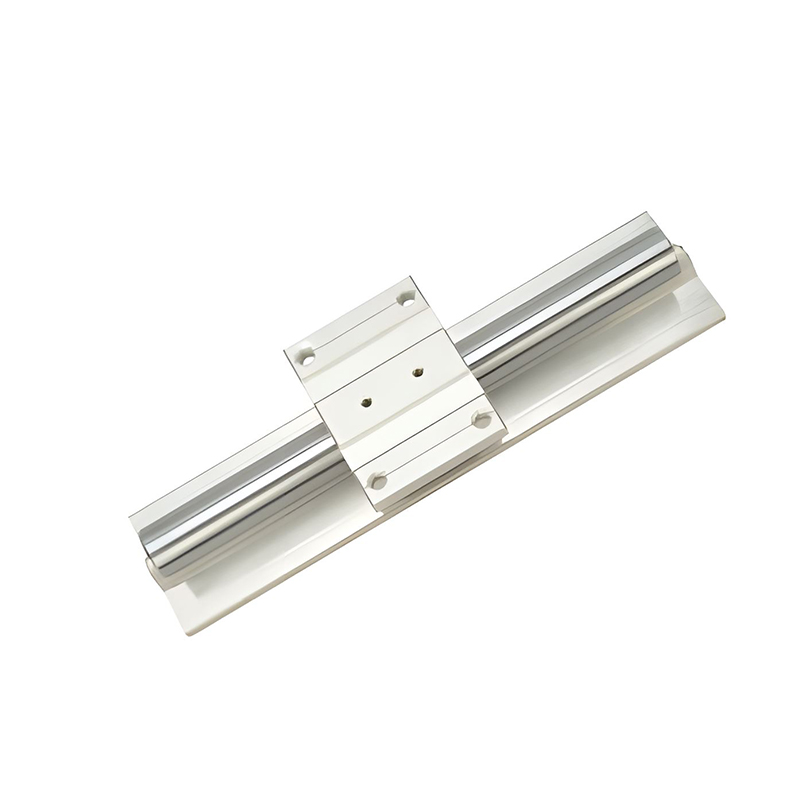
Supported systems include additional support along the shaft length. This improves rigidity and reduces bending risk, making it suitable for longer travel and higher load conditions.
Compatibility with Bearings and System Design
Linear shafts must be matched with compatible bearings to ensure smooth motion. Proper fit between shaft diameter and bearing size is essential for stable operation.
If the fit is too loose, movement may become unstable. If too tight, friction increases and may affect system efficiency.
Bearing selection should also consider load direction, speed, and operating conditions to maintain consistent performance.
CNC Equipment Applications
In CNC machines, linear shafts are used to guide tool movement and positioning systems. Precision in shaft selection directly affects machining accuracy and surface quality of processed parts.
Stable motion is especially important in repetitive cutting and shaping operations where consistency is required.
Automation System Applications
Automation equipment relies on linear shafts for transport, sorting, and assembly tasks. These systems often operate continuously, requiring components that maintain stable movement under repeated cycles.
Proper shaft selection helps reduce downtime and improve production consistency.
Installation Considerations
Correct installation is important for maintaining performance.
Alignment
Shafts must be installed with accurate alignment to prevent uneven wear and vibration during operation.
Mounting Stability
Secure mounting reduces movement deviation and helps maintain consistent motion paths.
Lubrication Setup
Proper lubrication ensures smooth interaction between shaft and bearing surfaces, reducing friction during operation.
Maintenance Practices
Regular maintenance helps extend system lifespan and maintain stable operation.
Cleaning
Dust and debris should be removed regularly to prevent surface damage.
Inspection
Periodic checks help identify wear patterns or alignment issues early.
Replacement Planning
Worn shafts should be replaced in time to avoid affecting overall system performance.
Industry Development Direction
With increasing automation in manufacturing, demand for precise and reliable motion components continues to grow. Linear shafts are being designed with improved surface treatments, tighter tolerances, and better material performance to meet evolving industrial requirements.
As CNC and automation systems become more complex, careful shaft selection remains an important factor in ensuring stable and efficient mechanical operation.

Lishui City Jialida Bearing Co., Ltd. is a company specializing in R&D, production and operation of linea motion series transmission components.
Copyright © Lishui City Jialida Bearing Co., Ltd. All rights reserved.
