Introduction to Miniature Ball Screws
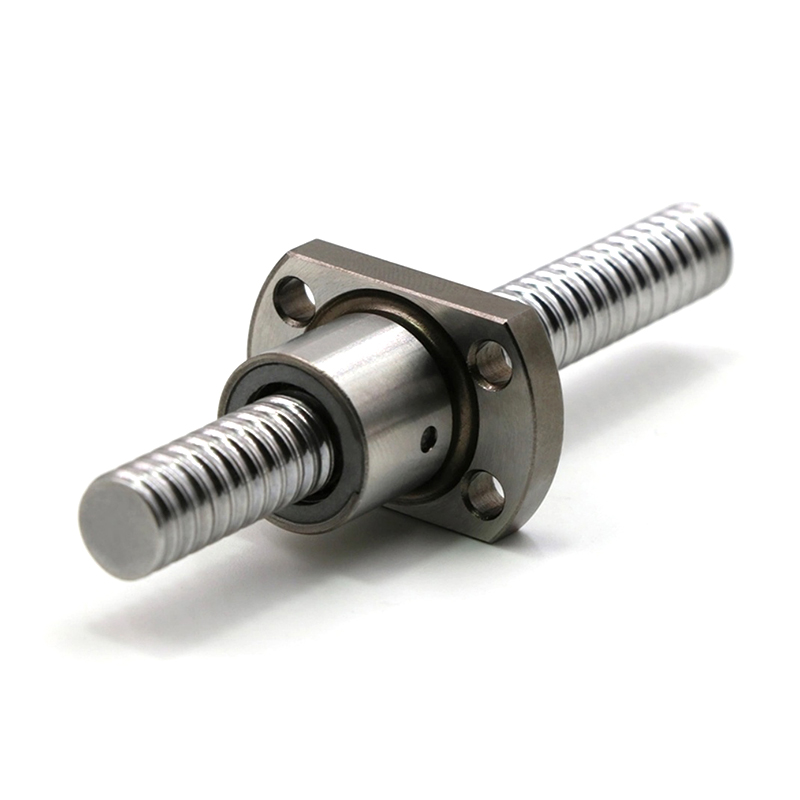
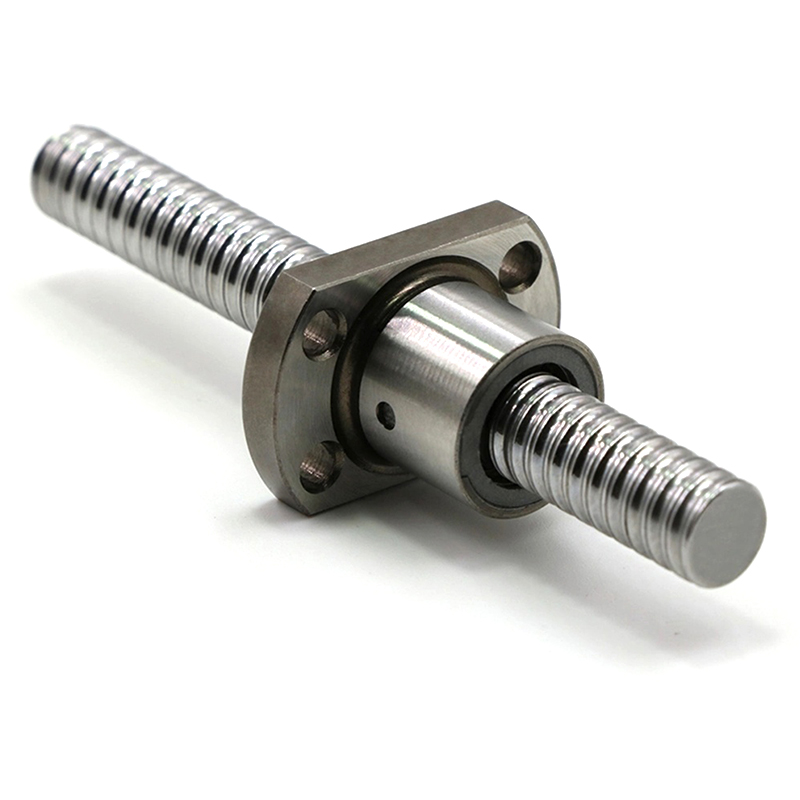
Miniature ball screws are high-precision transmission components designed to convert rotary motion into linear motion, with a focus on miniaturization and high accuracy. Typically, they feature a diameter of 3–20mm (≤16mm for miniature models, ≤6mm for ultra-miniature models) and a lead of 1–20mm (with a minimum lead of 1mm), available in accuracy grades C3, C5, and C7. As core components for the miniaturization of high-end equipment, they are well-suited for applications requiring compact installation space and high precision.
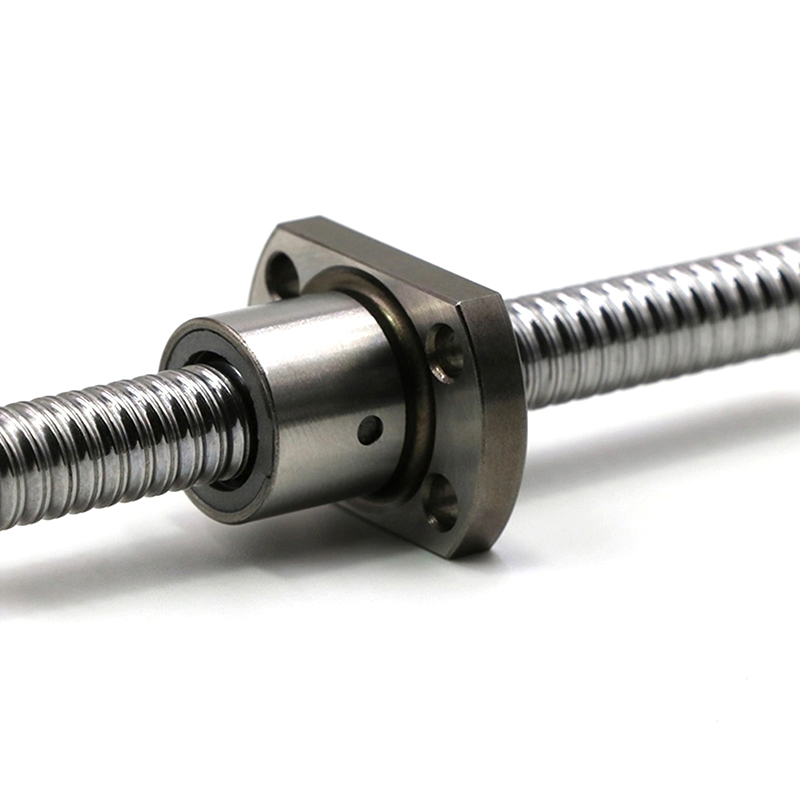
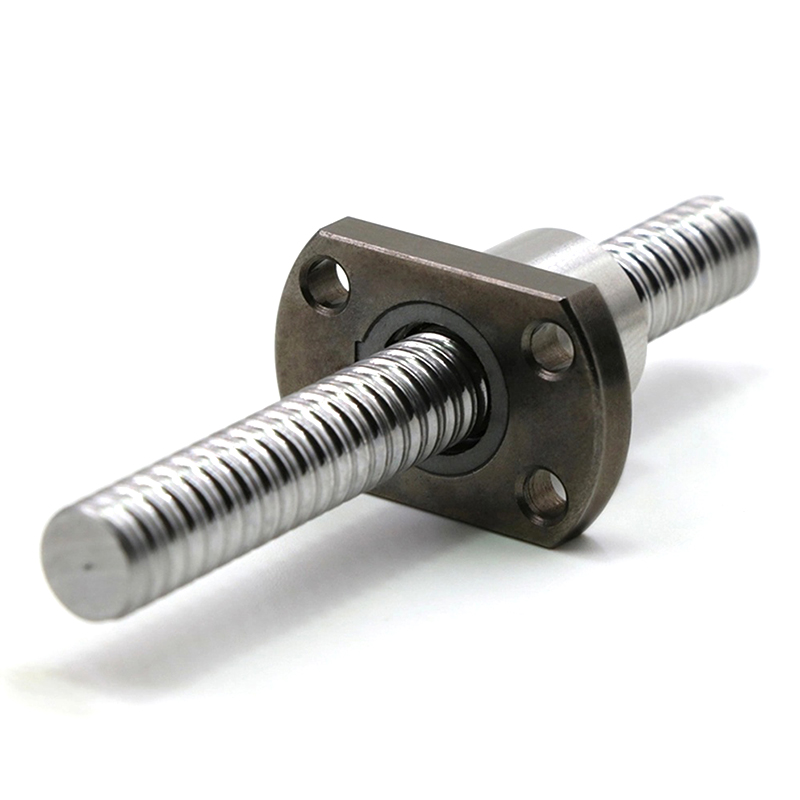
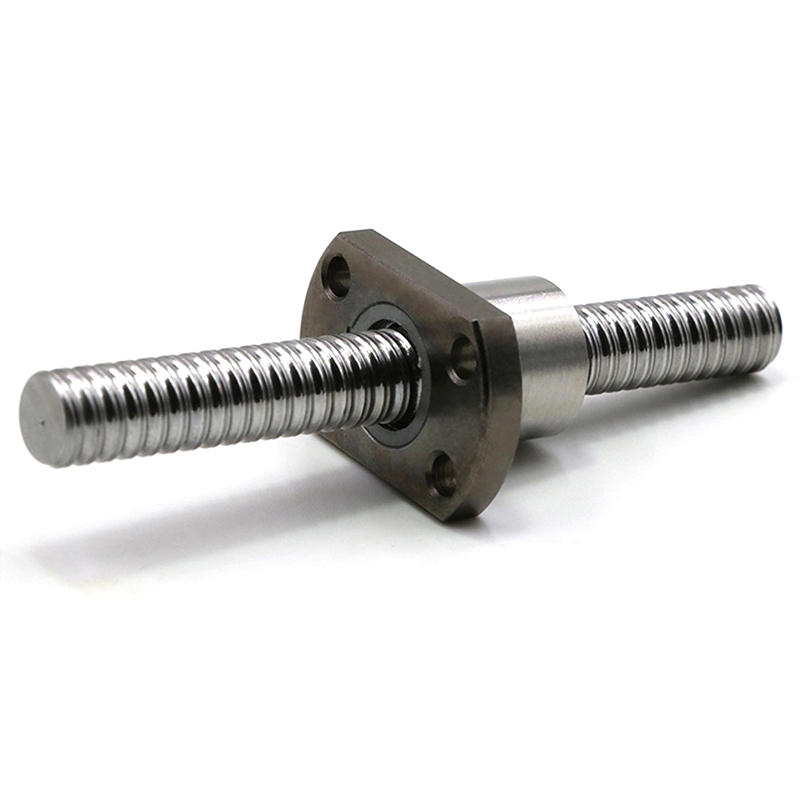
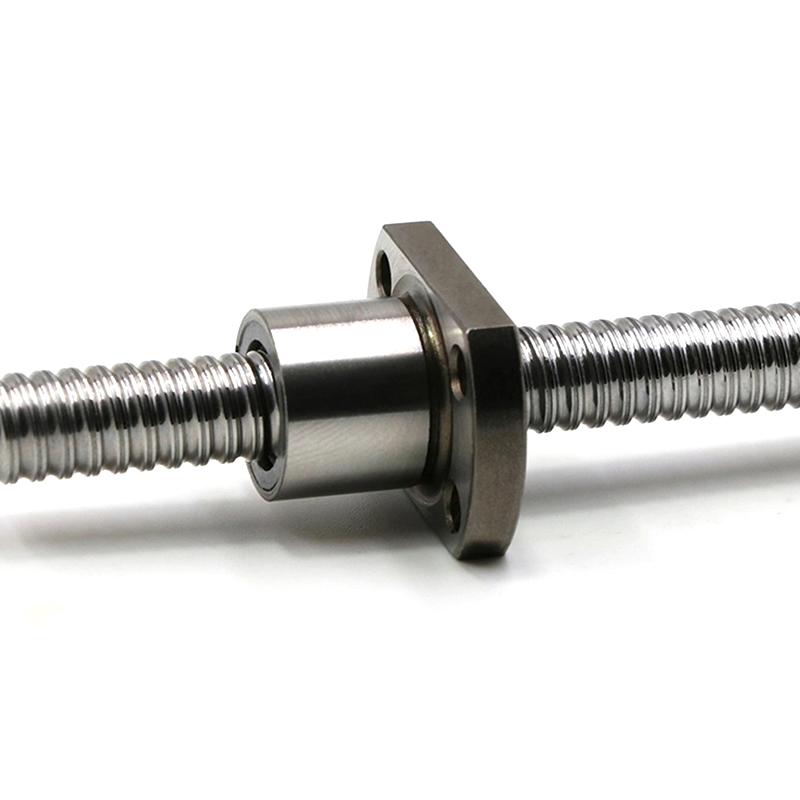
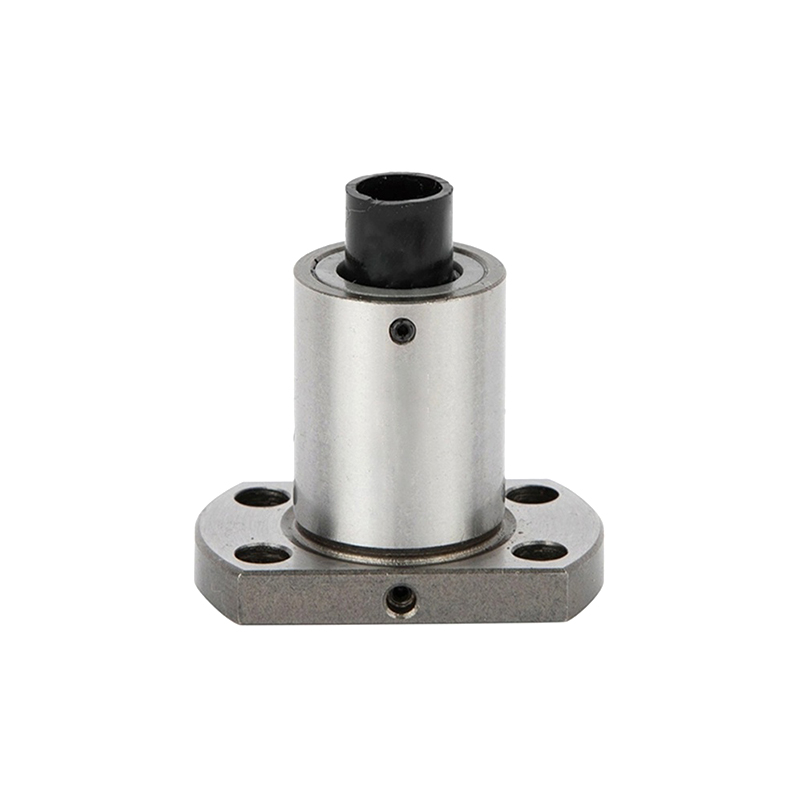
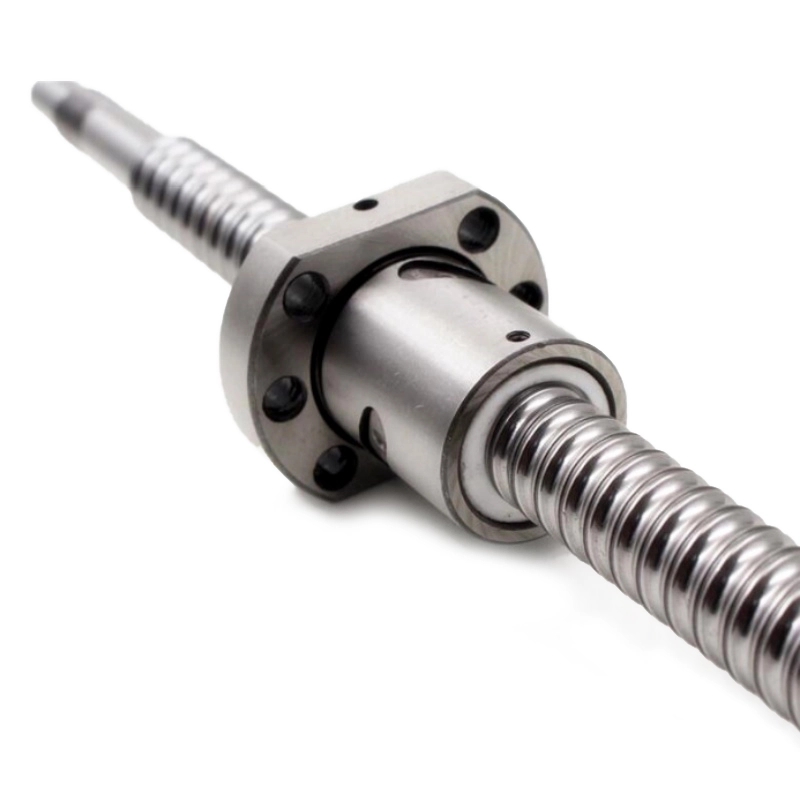
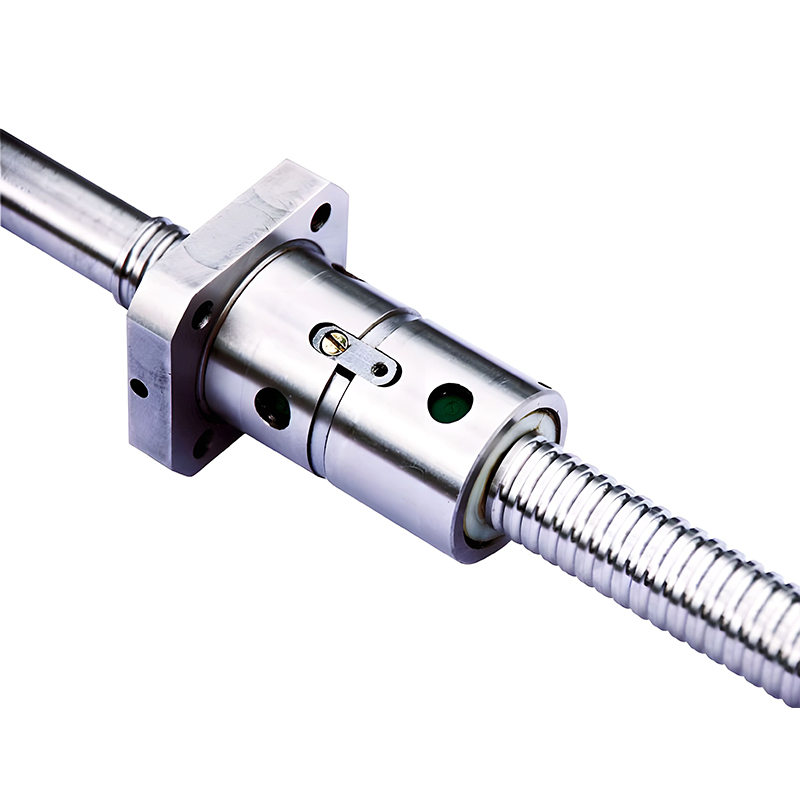
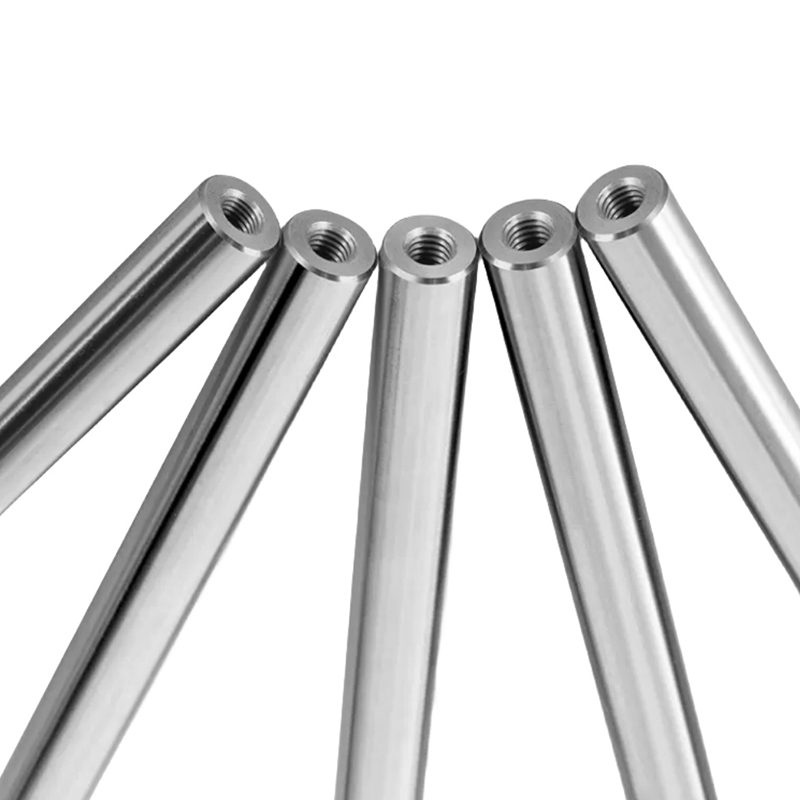
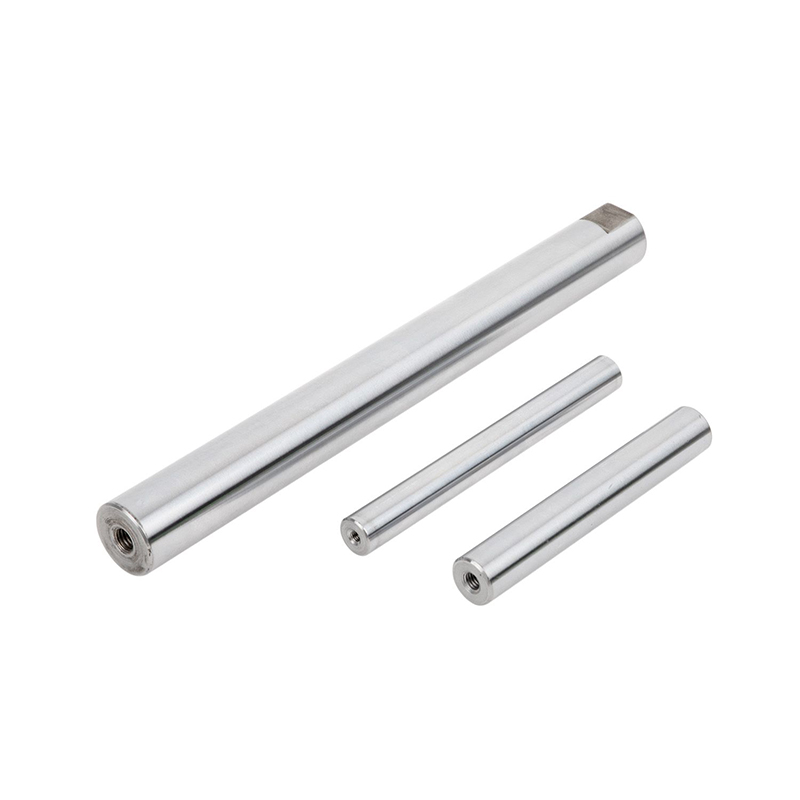
Their core structure comprises a screw shaft, nut, balls, and auxiliary components: the screw shaft is equipped with spiral raceways on its surface, while the nut integrates matching raceways and a ball recirculation system. Balls are inserted between these raceways to reduce friction, and some models come with retainers or welded journals for easy installation.
During operation, rotation of the screw shaft drives the balls to roll within the raceways, propelling the nut to move smoothly in a linear direction. The balls circulate through the recirculation system, enabling bidirectional conversion between rotary and linear motion, and the rolling contact significantly minimizes transmission loss.
Core Features
● Ultra-high positioning accuracy: Boasting a repeat positioning accuracy of 0.008mm, these ball screws are available in multiple accuracy grades (C3, C5, C7) to suit diverse precision transmission requirements. They comply with international standards and can meet motion control needs ranging from micro-nano level to general precision level.
● Low friction and high efficiency: Offering much higher transmission efficiency than sliding screws, they operate with low energy consumption, minimal heat generation, and stable performance, making them ideal for fine adjustment tasks. They align with the mainstream small-lead specifications of SFK/SFH series miniature ball screws, effectively balancing precision adjustment and transmission efficiency.
● Strong customization capability: They support various nut types, circulation methods, and thread directions, with adjustable preload, making them suitable for light-load precision transmission scenarios.
● Long service life and easy maintenance: Precision machining reduces wear, and high-end models can achieve maintenance-free operation through special coatings, ensuring reliability for long-term continuous work.
Main Application Fields
● Semiconductor and 3C electronics: Used for wafer positioning, chip packaging, and precision assembly processes, enhancing the assembly accuracy of electronic products.
● Medical instruments: Compatible with minimally invasive surgical robots and precision testing equipment, ensuring sub-micron level positioning accuracy and reliable operation.
● Optics and precision testing: Supports lens focusing and optical path adjustment for optical platforms and microscopes, guaranteeing testing accuracy.
● Aerospace and robotics: Applied in engine adjustment, micro-robot joints, and other components, adapting to special working conditions such as high temperatures and vacuum environments.
● Other precision equipment: Widely used in CNC machine tools, laboratory instruments, and more, facilitating the upgrading of industrial precision manufacturing.
Industry Status and Development Trends
The global industry follows a pattern of "high-end monopoly, mid-end competition, and low-end catch-up". Domestic products have gradually broken through core technologies and demonstrated significant cost-performance advantages. It is estimated that domestic demand for ball screw pairs will exceed 21.5 million sets by 2030, with the proportion of miniature products continuing to grow.
Industry development focuses on three key directions: first, intelligent upgrading by integrating sensing components for fault early warning, catering to the operation and maintenance needs of products across all accuracy grades (C3, C5, C7); second, process and material innovation to develop sub-millimeter ultra-miniature products and optimize the transmission performance of small-lead models (1mm and above); third, improving adaptability to special working conditions and expanding high-end application scenarios.
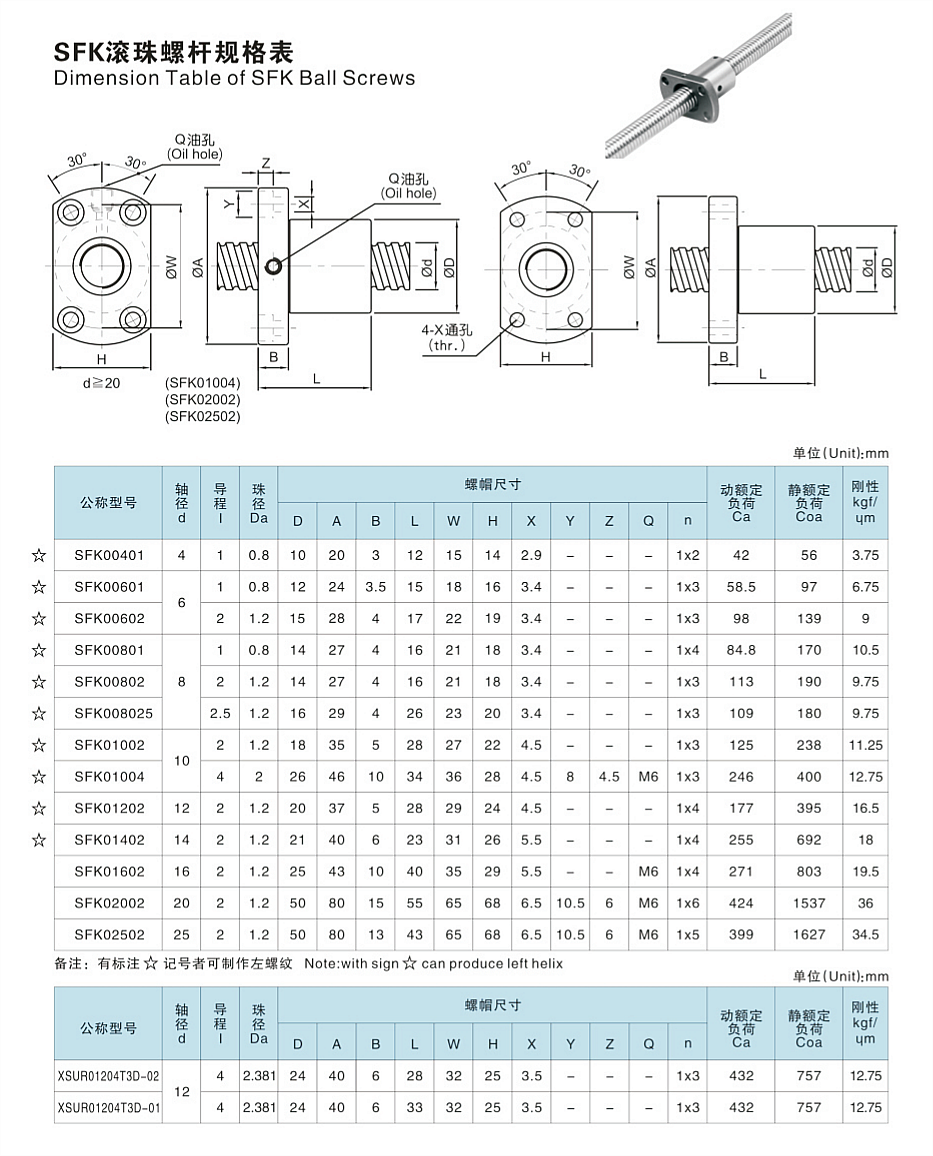
Main Models and Parameter Table
|
Model (SFK/SFH Series)
|
Screw Diameter (mm)
|
Screw Lead (mm)
|
Applicable Scenarios
|
|
SFK0401
|
4
|
1
|
Ultra-miniature testing instruments, precision lens focusing applications
|
|
SFK0601
|
6
|
1
|
3C electronic precision assembly, micro-robot joints
|
|
SFK0602
|
6
|
2
|
Small optical instruments, micro-medical devices
|
|
SFK0801
|
8
|
1
|
Precision testing equipment, fine adjustment mechanisms
|
|
SFK0802
|
8
|
2
|
3C electronic assembly, small robot joints
|
|
SFK0802.5
|
8
|
2.5
|
Customized fine-tuning equipment, special precision instruments
|
|
SFH0805
|
8
|
5
|
Small automation equipment, low-speed feed mechanisms
|
|
SFH0808
|
8
|
8
|
Small CNC machine tools, rapid fine-tuning mechanisms
|
|
SFH0810
|
8
|
10
|
Small automation equipment, rapid feed mechanisms
|
|
SFK1002
|
10
|
2
|
Semiconductor wafer positioning, medical micro-pumps
|
|
SFK1004
|
10
|
4
|
Precision automation equipment, medium-precision feed systems
|
|
SFH1010
|
10
|
10
|
General automation equipment, rapid transmission mechanisms
|
|
SFK1202
|
12
|
2
|
Optical platforms, high-precision testing equipment
|
|
SFH1205
|
12
|
5
|
Automated production lines, medium-speed feed mechanisms
|
|
SFH1210
|
12
|
10
|
General CNC machine tools, rapid feed equipment
|
|
SFH1220
|
12
|
20
|
Large-scale miniature equipment, high-speed transmission mechanisms
|
|
SFK1204
|
12
|
4
|
Precision instruments, high-precision feed adjustment systems
|
|
SFK1402
|
14
|
2
|
Optical testing equipment, precision transmission mechanisms
|
|
SFK1602
|
16
|
2
|
CNC machine tool fine-tuning, optical platform debugging
|


 English
 Español
 Deutsch
 عربى
عربى
 +86 17398543323