Introduction to SQ Type Ball Joint Rod End
Ball joint rod end bearings are indispensable connecting and supporting components in the field of mechanical transmission. With their flexible multi-directional movement capability and stable load-bearing performance, they are widely used in various mechanical systems that require low-speed swing, tilting movement and eccentricity compensation. As a classic series of ball joint rod end bearings, the SQ type belongs to the bent rod type ball joint rod end bearing. With its standardized design, reliable structural performance and wide adaptability, it has become the preferred component in industrial production, construction machinery, automation equipment and other fields. Its core positioning is to realize flexible connection between mechanical components, while transmitting loads and compensating for installation deviations.
Core Definition and Structural Characteristics of SQ Type Ball Joint Rod End
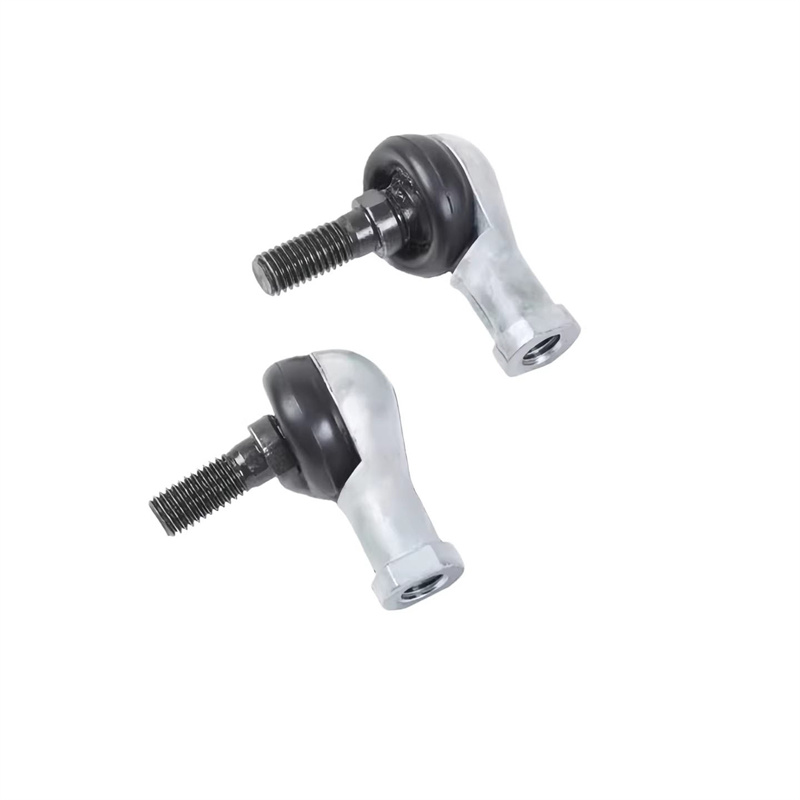
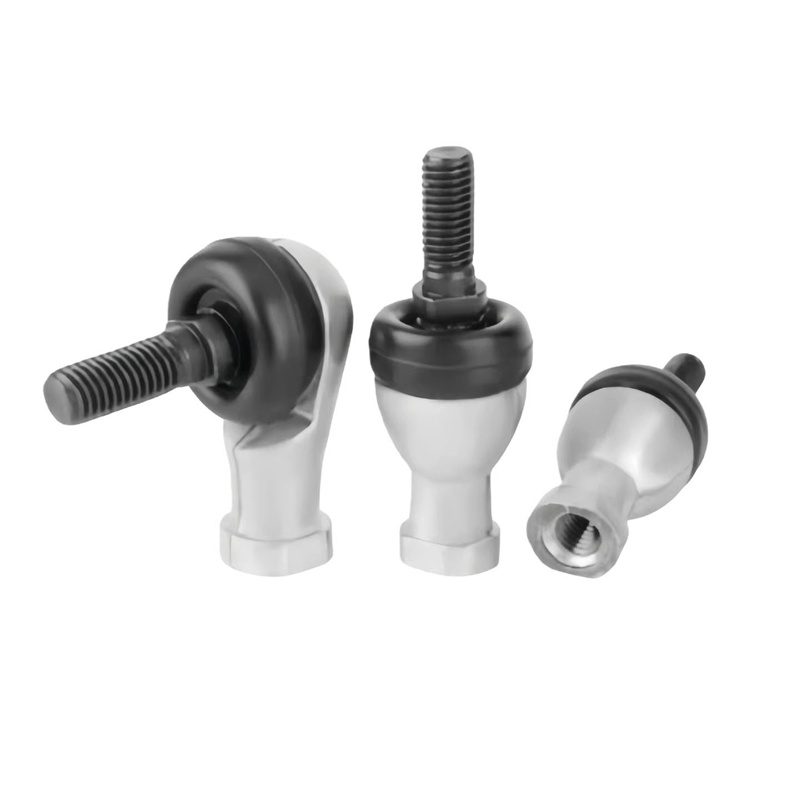
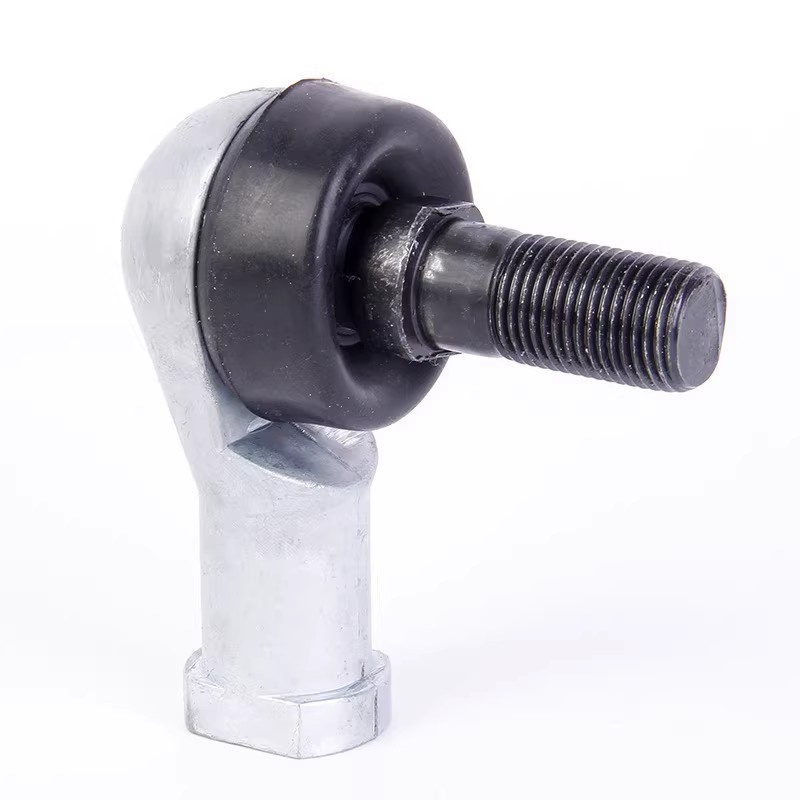
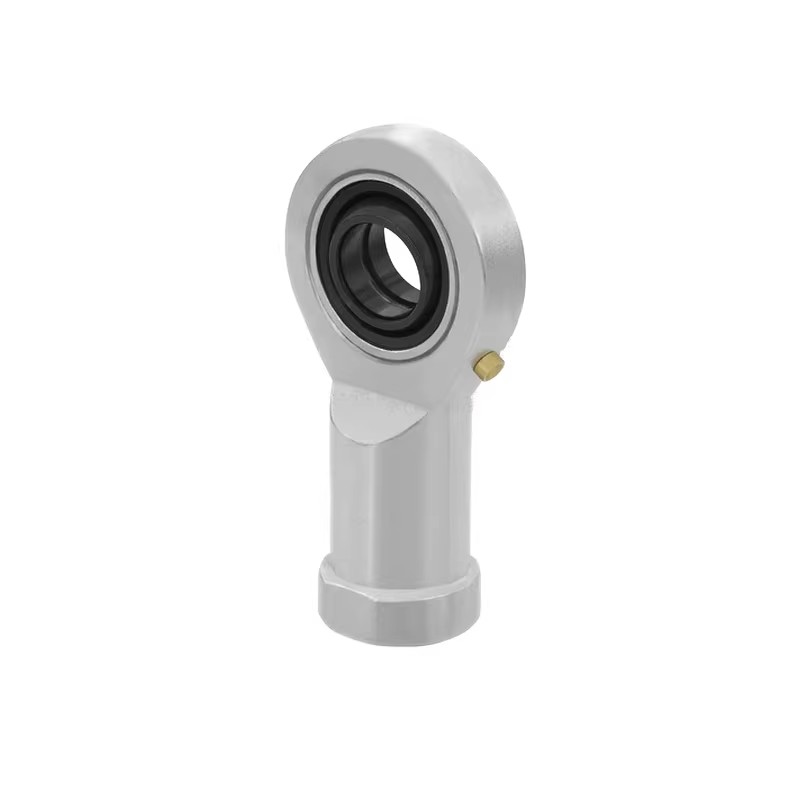
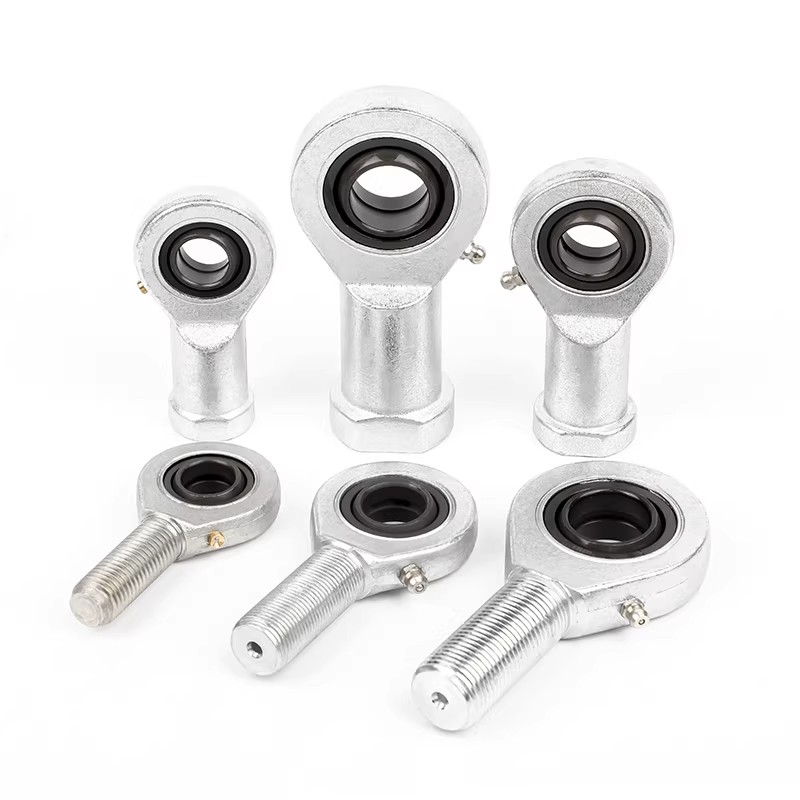
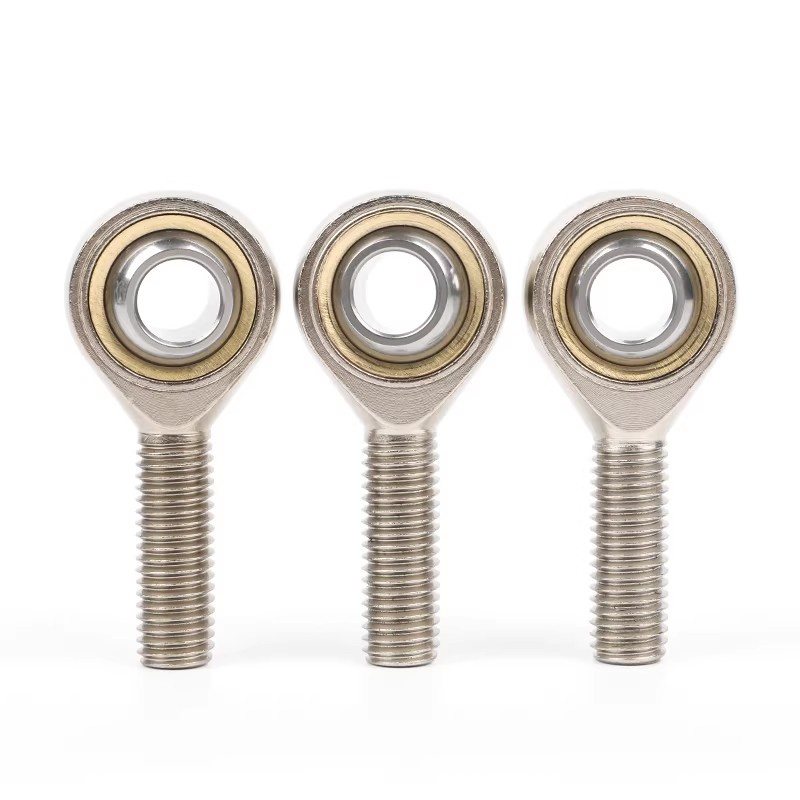
The SQ type ball joint rod end, full name bent rod type ball stud rod end bearing, is an important branch of rod end bearings. Its design core is to organically combine the spherical sliding structure with the bent rod type rod end body, taking into account both connection stability and movement flexibility. Compared with straight rod type and single rod type ball joint rod ends, the bent rod structure design of the SQ type makes it more suitable for scenarios with limited installation space and specific angle connection requirements, and can realize flexible linkage between components without additional adjustment of installation angle.
In terms of structural composition, the SQ type ball joint rod end is mainly composed of three core components, which work together to ensure its stable operation:
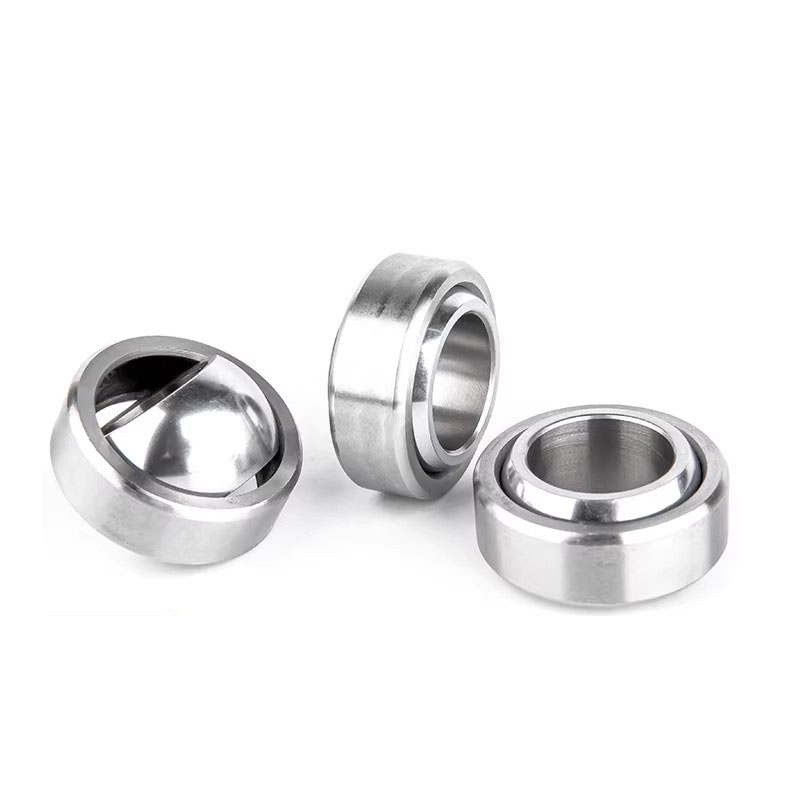
● Ball Head: As the core component of movement, it is made of carburized steel and processed by professional heat treatment technology. It has high surface hardness and strong wear resistance, which can effectively bear radial and unidirectional axial loads, and provide a smooth sliding contact surface for multi-directional movement. The surface of some specifications of ball heads will be treated with hard chrome plating to further improve wear resistance and corrosion resistance.
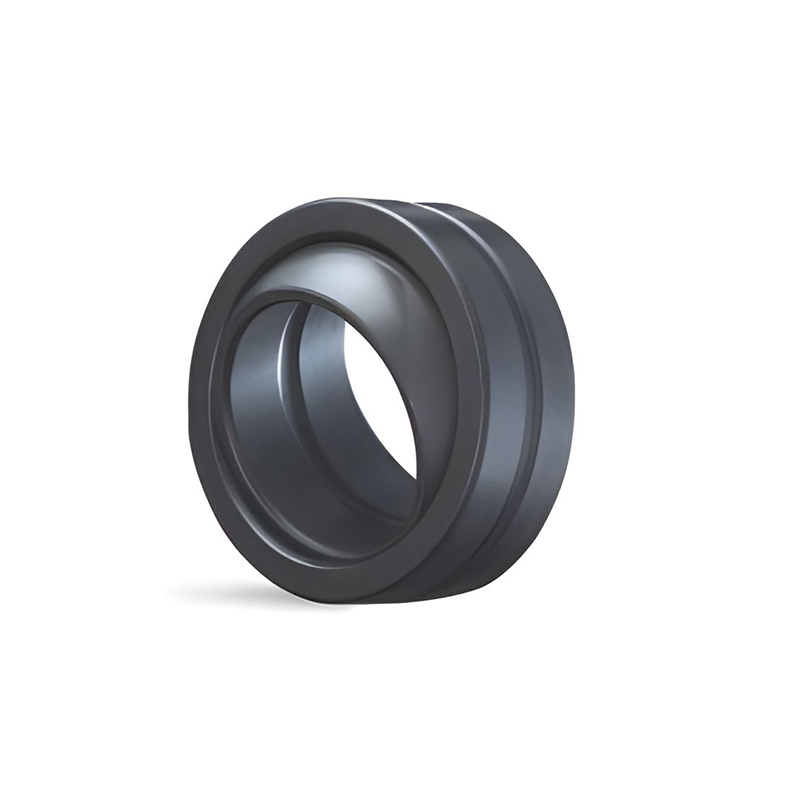
● Ball Socket: Made of zinc-based alloy, it is precisely matched with the ball head to form a spherical sliding pair, which is the key carrier for realizing multi-directional swing and rotation. The internal structure of the ball socket is precision processed to ensure the fit with the ball head, reduce friction loss during movement, and have a certain buffer performance to absorb slight vibrations during movement.
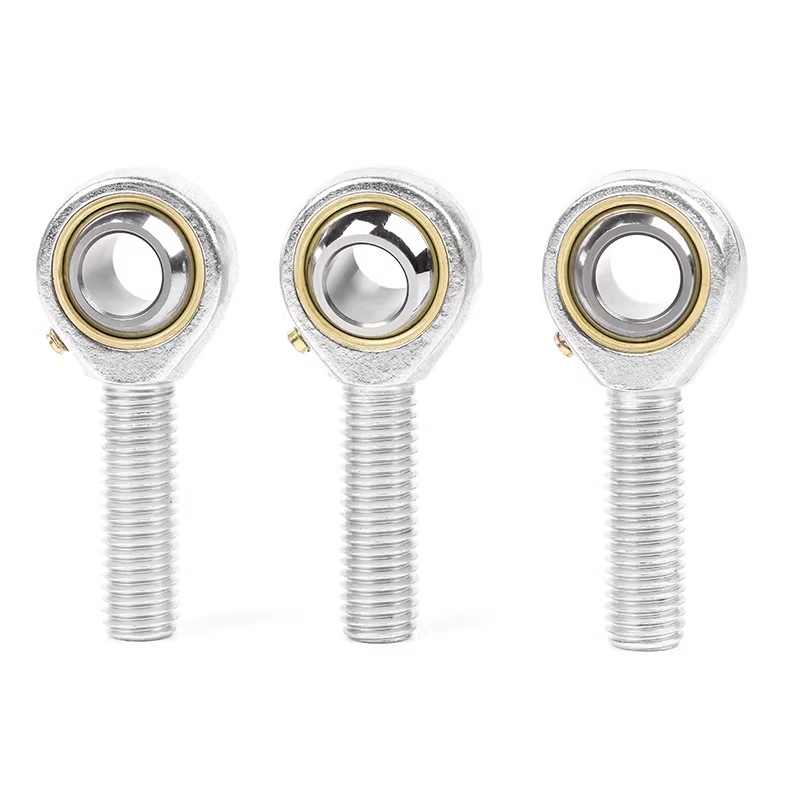
● Bent Rod End Body: Made of high-quality carbon structural steel, the rod end is equipped with internal threads. The thread specifications vary according to different models, which is convenient for firm connection with other mechanical components. The bent rod design conforms to the angle requirements in mechanical transmission, can flexibly adapt to different installation orientations, and the surface of the rod end body is usually treated with anti-rust treatment to improve the service life in complex environments.
In addition, mainstream models of the SQ series (such as SQ 10RS, etc.) are all equipped with rubber sealing rings, which can effectively block dust, impurities, moisture and other substances from entering the bearing interior, avoid wear of the spherical sliding pair, and play a certain lubricating and sealing role, ensuring the stable operation of the bearing in harsh working environments and reducing maintenance frequency.
Specification Parameters and Model Meaning of SQ Type
The SQ type ball joint rod end is produced in a standardized manner with complete specifications. The appropriate model can be selected according to the load requirements and installation dimensions of the actual application scenario. Its model naming follows industry standards, and the core parameters are clear and distinguishable, which is convenient for selection and replacement.
(I) Model Meaning
The naming of the SQ type has clear industry specifications. Taking the common "SQ 10RS" as an example, the meaning of each part is as follows:
● "SQ": Type code, representing the bent rod type ball joint rod end bearing, which is different from other ball joint rod end types such as straight rod type (SQZ) and single rod type (SQD);
● "10": Core dimension code, corresponding to the ball head diameter of 10mm, which is one of the core parameters for model selection;
● "RS": Structural supplementary code, indicating that it is equipped with a rubber sealing ring and has a dust-proof function, which is the mainstream structural type of the SQ series.
Some models have a suffix "-1", such as SQ 10RS-1, which means that the thread pitch of this model is different from that of the basic model (for example, the thread of SQ 10RS is M10×1.25, and the thread of SQ 10RS-1 is M10×1.5), which can be selected according to the thread requirements of the connecting components.
(II) Core Specification Parameters
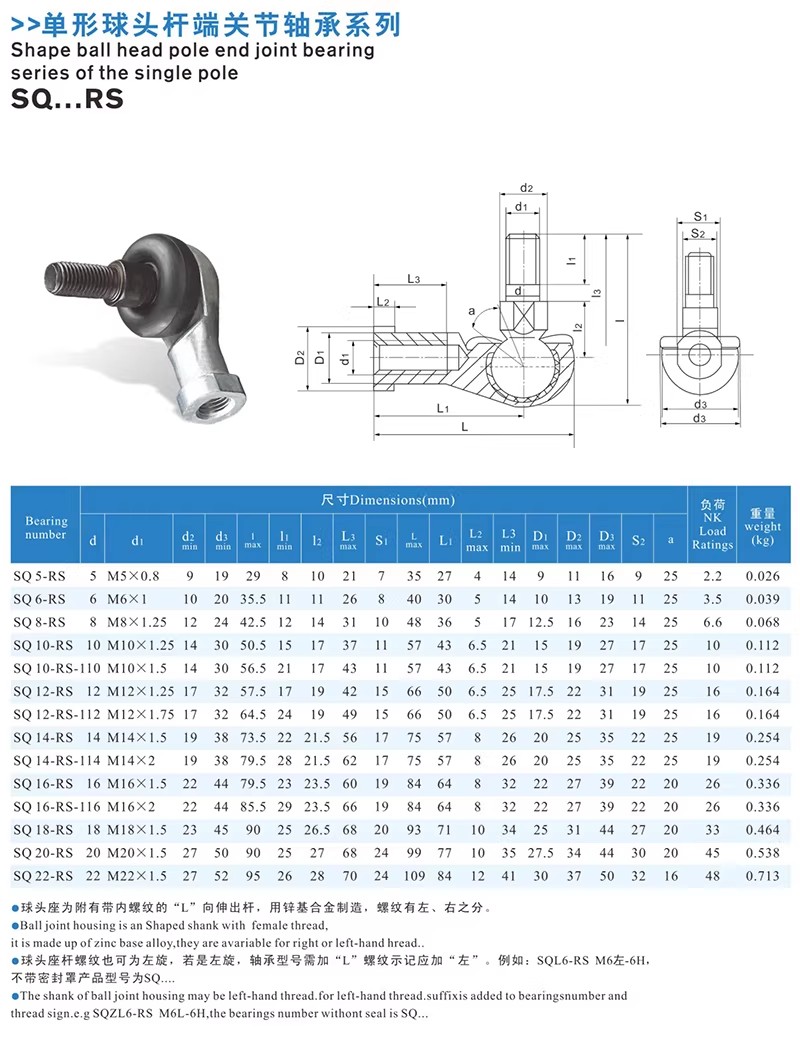
The specification parameters of the SQ series ball joint rod end include key indicators such as size, load and weight. Different models correspond to different parameters. The following is a summary of the core parameters of common specifications (data refer to industry standards and measured values):
|
Model
|
Ball Head Diameter d (mm)
|
Thread Specification d1
|
Rated Dynamic Load (kN)
|
Rated Static Load (kN)
|
Weight (kg)
|
Swing Angle α (≈°)
|
|
SQ 5RS
|
5
|
M5×0.8
|
2.2
|
26
|
0.026
|
25
|
|
SQ 6RS
|
6
|
M6×1.0
|
3.5
|
39
|
0.039
|
25
|
|
SQ 8RS
|
8
|
M8×1.25
|
6.6
|
68
|
0.068
|
25
|
|
SQ 10RS
|
10
|
M10×1.25
|
10
|
112
|
0.112
|
25
|
|
SQ 12RS
|
12
|
M12×1.25
|
16
|
164
|
0.164
|
25
|
|
SQ 14RS
|
14
|
M14×1.5
|
19
|
254
|
0.254
|
25
|
|
SQ 16RS
|
16
|
M16×1.5
|
26
|
336
|
0.336
|
20
|
Note: The above parameters are for reference of common specifications. There may be slight differences among different manufacturers, and the specific parameters shall be subject to the product manual; the rated load is a theoretical bearing value, and the model selection shall be appropriately adjusted according to the working environment and movement frequency in actual use. Among them, SQ 10RS, as the most widely used core specification, its detailed parameters are supplemented for accurate model selection: the ball head diameter of this model is 10mm, the thread specification is M10×1.25 (thread pitch 1.25mm), the thread length is ≥15mm, the rod end bending angle is 90°±2°, the spherical surface roughness of the ball head is ≤Ra0.8μm, the hardness of the ball head is HRC58-62, and the hardness of the ball socket is HB180-220; the rated dynamic load is 10kN, the rated static load is 112kN, the maximum allowable speed is ≤300r/min, the applicable temperature range is -40℃~120℃, the weight is about 0.112kg, and the swing angle is about 25°; it is equipped with a nitrile rubber sealing ring, the sealing grade reaches IP54, which can effectively prevent dust and water, and is suitable for most medium-load and low-speed swing scenarios, commonly used in automation equipment connecting rods, small executive mechanisms of construction machinery and other parts.
Core Performance Advantages of SQ Type Ball Joint Rod End
Compared with other types of rod end bearings, the SQ type has significant performance characteristics due to its structural design and material selection, which can meet the use requirements of various complex working conditions. The specific advantages are as follows:
(I) Flexible Multi-directional Movement Capability
Based on the core principle of spherical sliding contact, the SQ type can realize 360° radial rotation and a certain angle of axial swing. The swing angle can generally reach 20°-25° (depending on the model), which can flexibly adapt to the complex movement trajectory between mechanical components, especially suitable for low-speed swing and tilting movement scenarios. At the same time, its bent rod structure can realize multi-angle connection between components in the case of limited installation space, without additional adjustment of installation brackets, improving installation convenience.
(II) Stable Load-bearing Capacity
The ball head is made of carburized steel and undergoes quenching treatment, with high surface hardness and strong wear resistance; the precise fit between the ball socket and the ball head enables uniform load distribution, reducing stress concentration, and can stably bear radial load and unidirectional axial load. Its rated dynamic load range covers 2.2kN to 26kN (corresponding to the common specifications in the text), which can meet the application scenarios of different load requirements and effectively avoid component damage caused by excessive load.
(III) Good Adaptability and Interchangeability
The SQ type is produced in accordance with GB/T304.1-2002 and GB/T304.2-2002 industry standards, with a high degree of standardization. Products of the same specification produced by different manufacturers can be interchanged, which is convenient for later maintenance and replacement. At the same time, the internal thread design of the rod end can flexibly adapt to connecting components of different specifications, with high thread precision, firm connection and not easy to loosen, ensuring the stable operation of the mechanical system.
(IV) Strong Environmental Adaptability
The rod end body is made of high-quality carbon structural steel, and the surface is treated with anti-rust treatment. The ball socket is made of zinc-based alloy, which has a certain corrosion resistance; the rubber sealing ring equipped with mainstream models can effectively block dust, moisture, oil and other impurities from entering the bearing interior, avoid spherical wear and extend service life. Whether in ordinary industrial environment or slight dust and humid working conditions, the SQ type can operate stably, reducing maintenance costs.
(V) Compact Structure and Convenient Installation
The SQ type adopts an integrated structure design, with small volume and light weight. It does not require complex installation procedures and can be quickly connected and fixed with other components through the rod end thread. The bent rod structure design can adapt to different installation orientations, solving the problem that straight rod type bearings are difficult to install in narrow spaces, and improving installation efficiency and space utilization.
Application Scenarios of SQ Type Ball Joint Rod End
With its flexible movement performance, stable load-bearing capacity and convenient installation characteristics, the SQ type ball joint rod end is widely used in various mechanical systems, especially suitable for low-speed swing, eccentricity compensation and installation scenarios with limited space. The main application fields are as follows:
● Construction Machinery Field: It is the core connecting component of construction machinery such as excavators, loaders and cranes. It is used to connect hydraulic cylinders, connecting rods, suspension systems and other components, realize multi-directional swing and load transmission, compensate for installation deviations and vibrations during operation, and ensure the operation stability and reliability of the equipment.
● Automation Equipment Field: It is suitable for automation production lines, robot arms, conveying machinery and other equipment. It is used to connect transmission components and executive mechanisms, realize precise low-speed swing and angle adjustment, and ensure the movement accuracy and automatic operation efficiency of the equipment.
● Automobile Manufacturing Field: It is applied to automobile suspension systems, steering systems and other components. It can adapt to the complex movement of wheels during driving, absorb vibrations, compensate for installation deviations, and improve the controllability and driving stability of the vehicle.
● General Machinery Field: It is widely used in general equipment such as machine tools, textile machinery, printing machinery and agricultural machinery. As a connecting and supporting component, it realizes flexible linkage between mechanical components, reduces friction loss during movement, and extends the service life of the equipment.
● Other Fields: It is also used in small quantities in aerospace, water conservancy machinery, medical equipment and other fields, mainly for scenarios requiring high-precision and high-reliability flexible connection to meet the use requirements under special working conditions.
Usage Notes and Maintenance Suggestions
To give full play to the performance of the SQ type ball joint rod end and extend its service life, the following matters should be noted during installation, use and maintenance:
1. During installation, ensure that the rod end thread matches the thread of the connecting component, and the tightening torque is moderate to avoid thread damage caused by over-tightening or connection looseness caused by under-tightening; at the same time, ensure that the ball head moves flexibly without jamming, and the installation angle meets the design requirements.
2. During use, avoid exceeding the rated load and rated swing angle to prevent wear or damage to the ball head and ball socket caused by overloading; avoid severe impact on the bearing and reduce the impact of vibration on the bearing.
3. Regularly check the operation status of the bearing, check whether the sealing ring is intact and whether dust, impurities and other substances enter the bearing interior; if the bearing has abnormal noise, jamming, wear and other conditions, stop the machine for inspection and replacement in time.
4. Lubricate regularly according to the working environment. Suitable grease can be selected and injected through the lubrication hole (equipped with some models) to reduce the friction loss of the spherical sliding pair and improve the service life of the bearing; avoid using grease that does not meet the requirements to prevent corrosion of bearing components.
5. When storing, the bearing should be placed in a dry, ventilated and clean environment to avoid moisture, dust and oil pollution and prevent the bearing from rusting; avoid extrusion and collision during storage to prevent ball head deformation.
Summary
As a classic series of bent rod type ball joint rod end bearings, the SQ type ball joint rod end has become an indispensable core component in the field of mechanical transmission due to its standardized specifications, flexible movement performance, stable load-bearing capacity and wide adaptability. The scientific combination of its carburized steel ball head, zinc-based alloy ball socket and high-quality carbon structural steel bent rod end body, combined with the sealing design of rubber sealing ring, not only ensures the durability and stability of the bearing, but also improves the environmental adaptability, which can fully meet the use requirements of construction machinery, automation equipment, automobile manufacturing and other fields.
In practical applications, as long as the appropriate specification of the SQ type product is selected according to the specific load requirements, installation dimensions and working environment, and the correct installation, use and maintenance methods are followed, its core functions of flexible connection, load transmission and deviation compensation can be fully exerted, providing reliable guarantee for the stable and efficient operation of the mechanical system. With the continuous development of industrial technology, the SQ type ball joint rod end is also constantly optimized and upgraded, which will further adapt to the needs of more complex working conditions and provide better support for the development of various industries.


 English
 Español
 Deutsch
 عربى
عربى
 +86 17398543323