Core Characteristics and Application Guide of Rod End Bearings
Product Overview
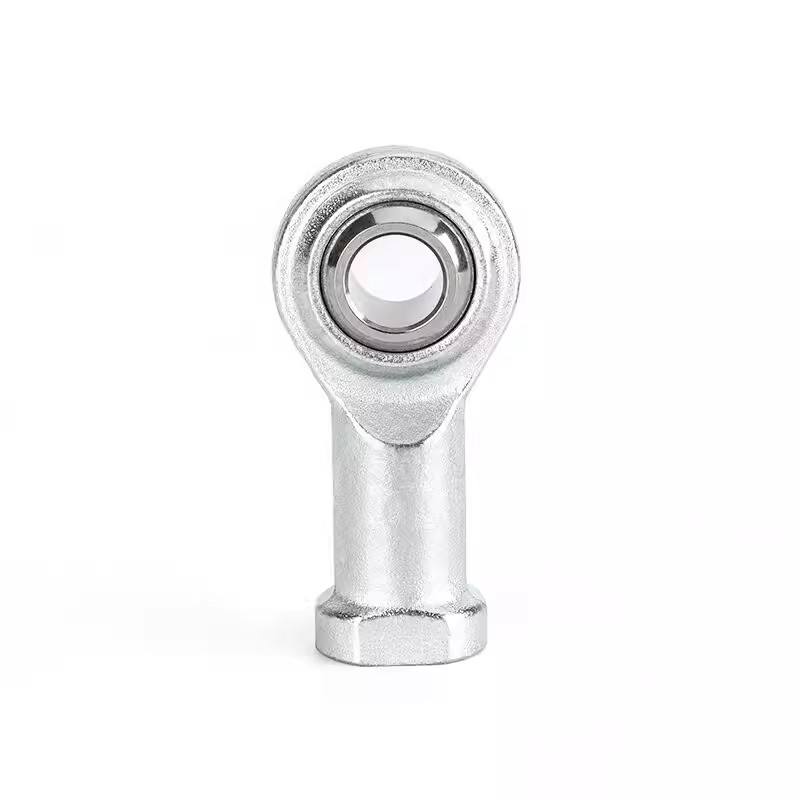
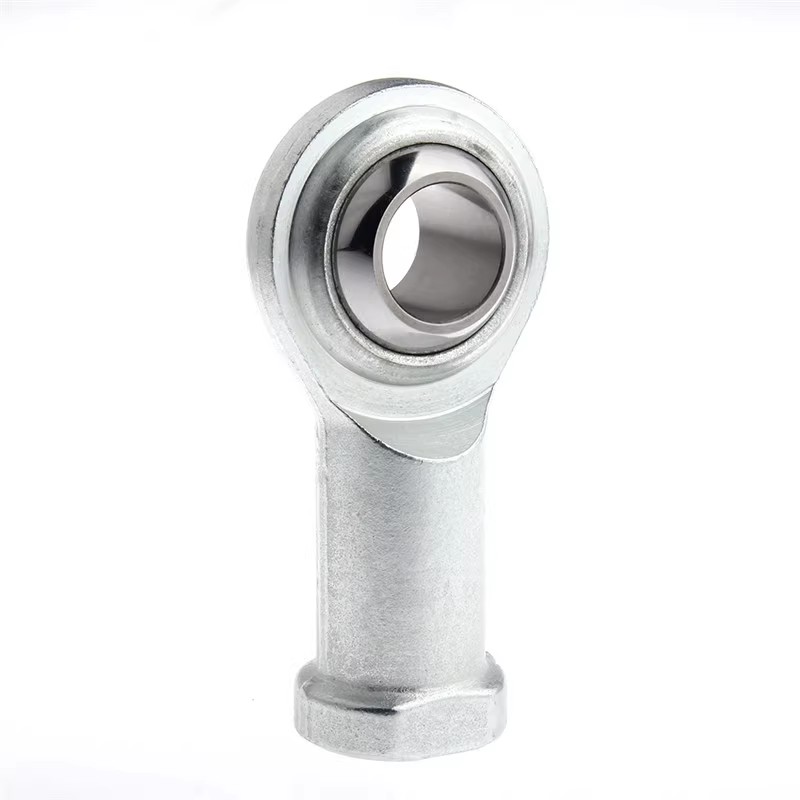
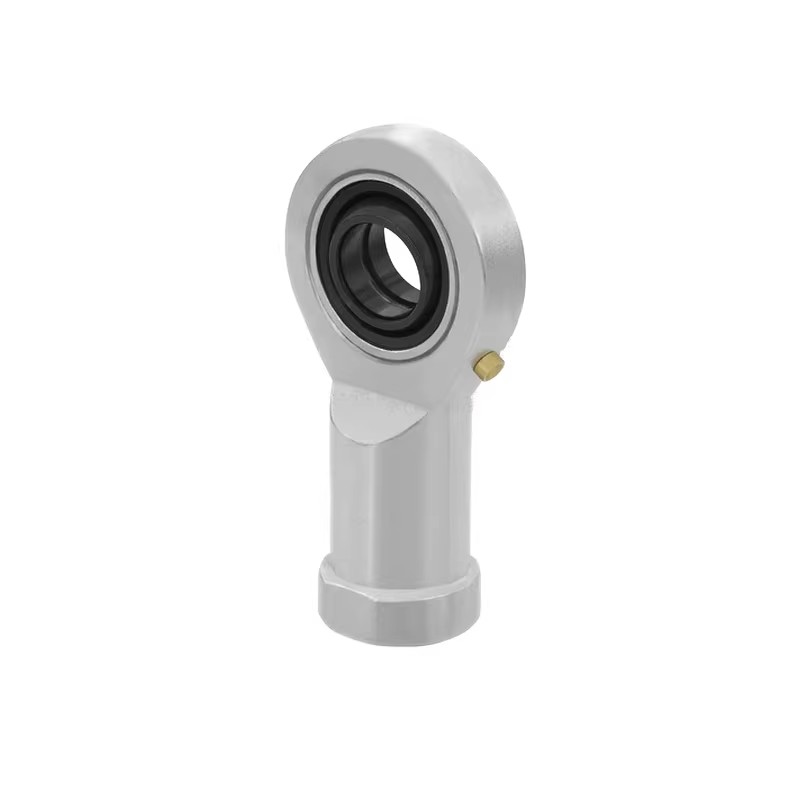
Rod end bearings (also called rod eyes or ball joint bearings) are specialized transmission components that integrate spherical sliding and rod end mounting structures. Their core function is to enable flexible connection of mechanical components, supporting multi-angle swinging, tilting and low-speed rotation, while transmitting combined loads and relieving stress caused by assembly deviations. Unlike traditional rolling bearings, their spherical contact structure does not require strict concentricity, delivering better reliability under complex operating conditions. As key basic components linking transmission and executive mechanisms, they are widely used in industry, transportation, high-end equipment and other fields.
Structural Composition and Classification System
(1) Basic Structural Composition
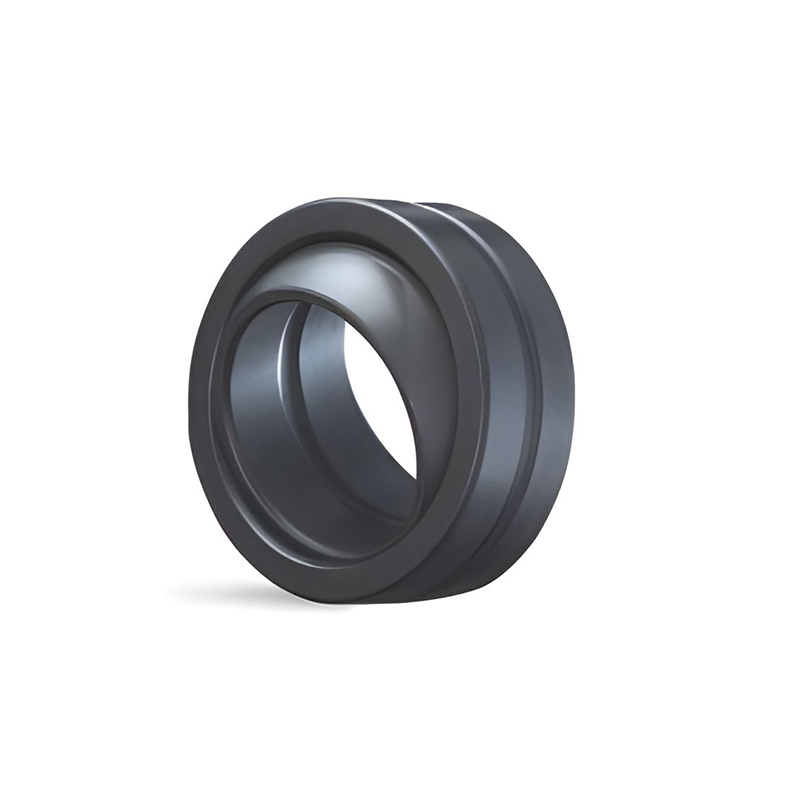
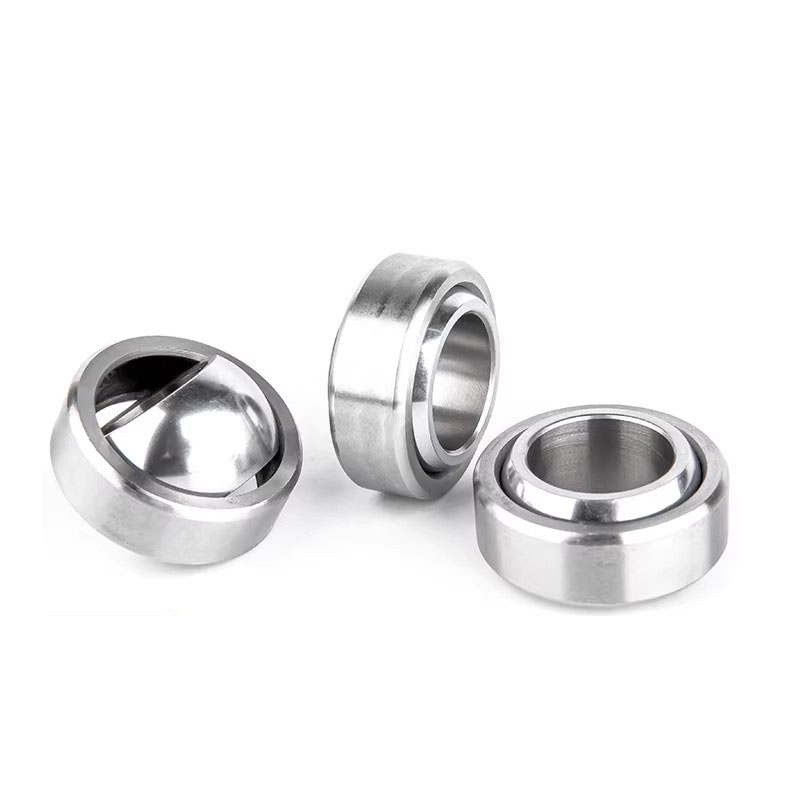
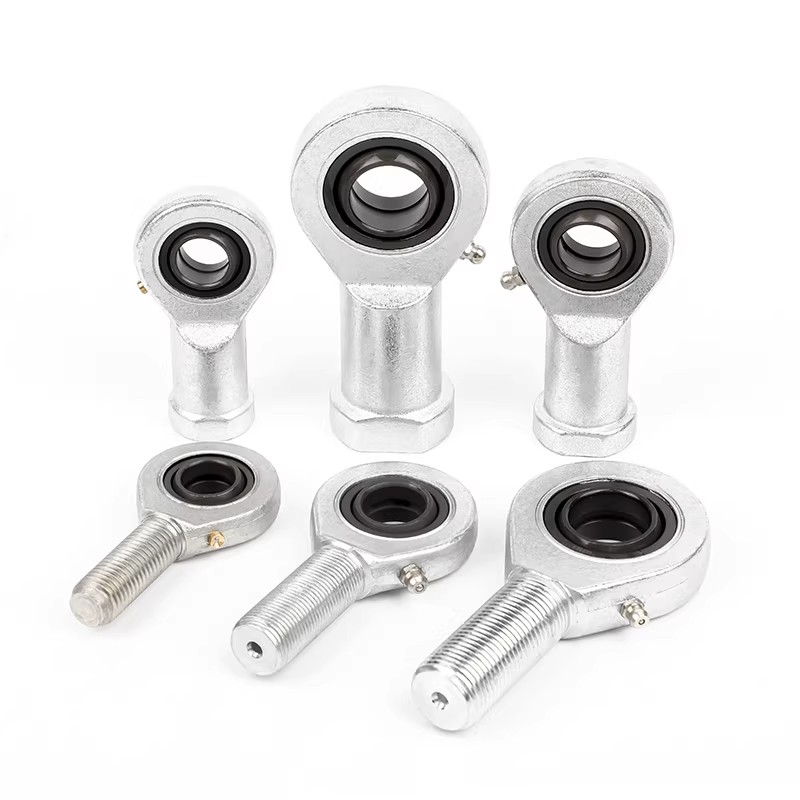
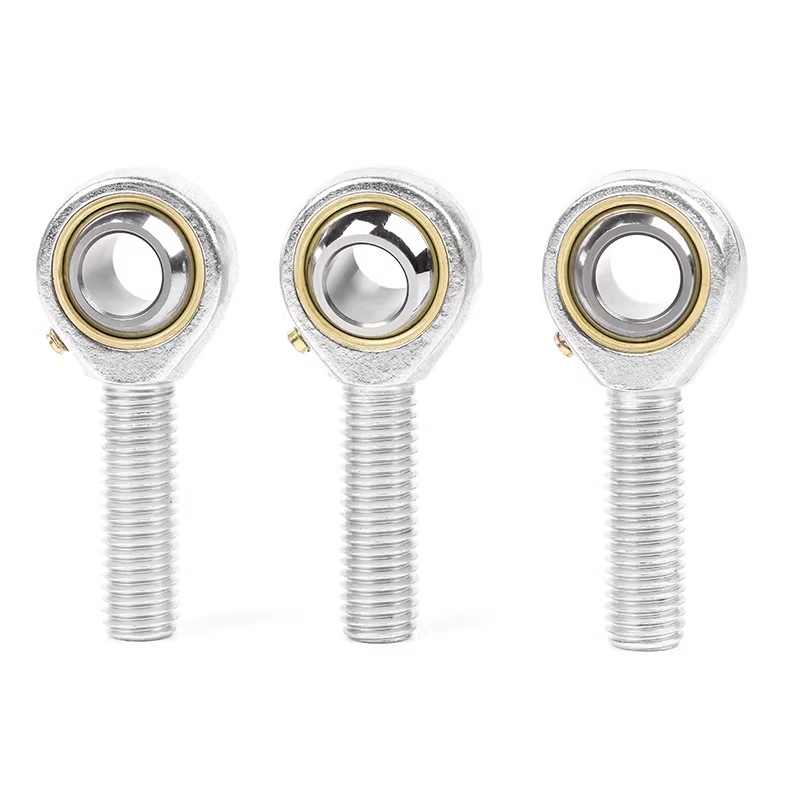
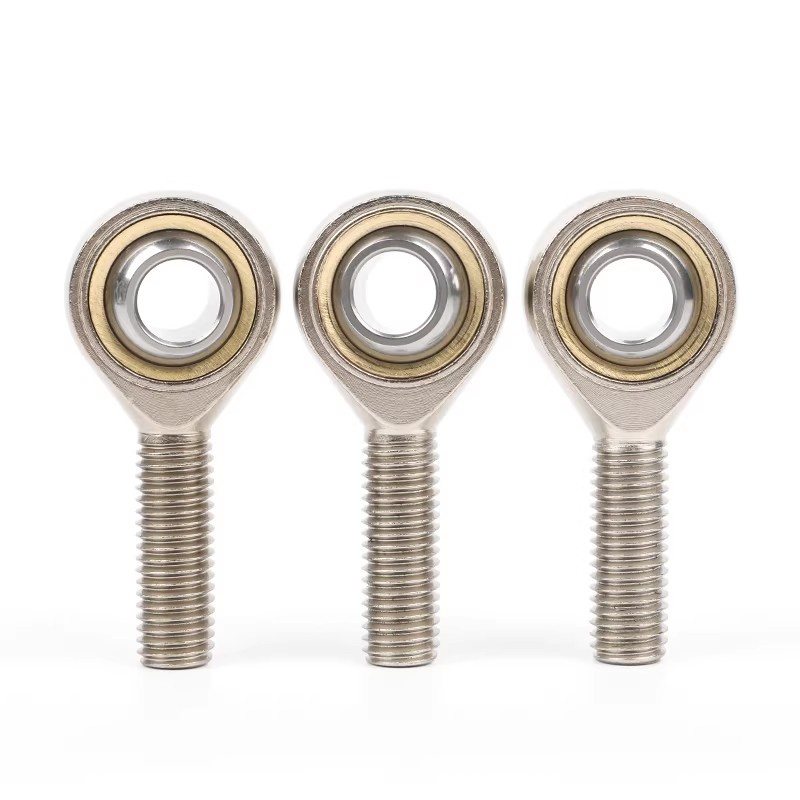
Rod end bearings comprise spherical sliding components, rod end connectors and protective seals, which work together to ensure flexible transmission, mounting adaptability and operational durability. The sliding components feature precise inner-outer spherical pairing; high-end models are embedded with solid lubricating liners (e.g., PTFE), while conventional models require regular grease replenishment. Rod end connectors are available in threaded, welded, slotted and other forms to suit different mounting needs. Seals adopt contact or labyrinth structures to block impurities and retain lubrication. The main material is reinforced bearing steel (e.g., GCr15), with 316L stainless steel optional for corrosive conditions.
(2) Core Classification Standards
Classified by core indicators, they are precisely suited to various operating conditions:
● By Lubrication Method: Forced lubrication (regularly filled with VG220/VG320 extreme pressure grease, for heavy loads and high temperatures) and self-lubricating (maintenance-free, for precision and hard-to-disassemble equipment).
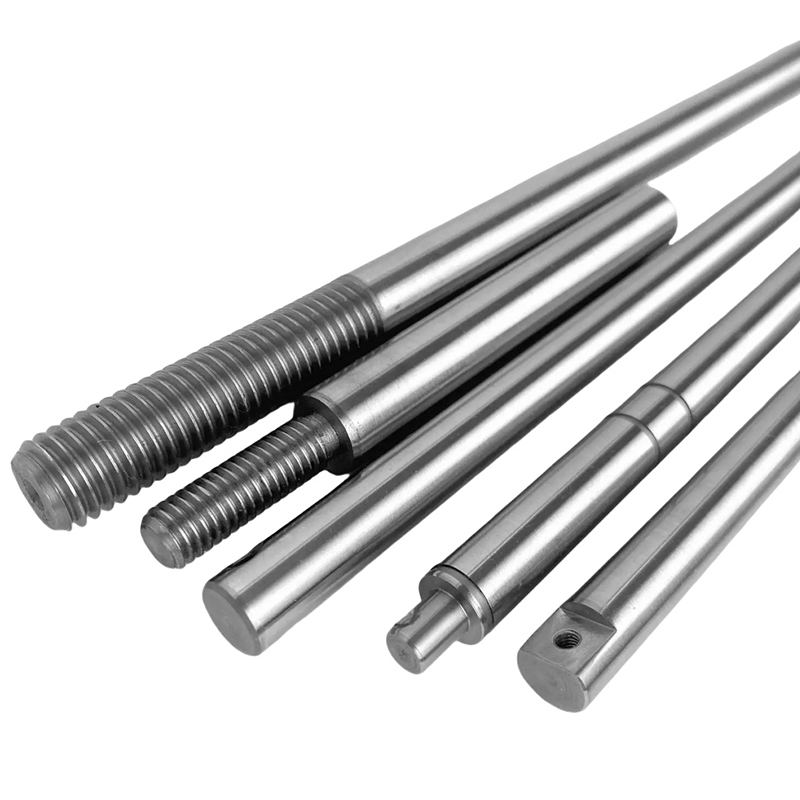
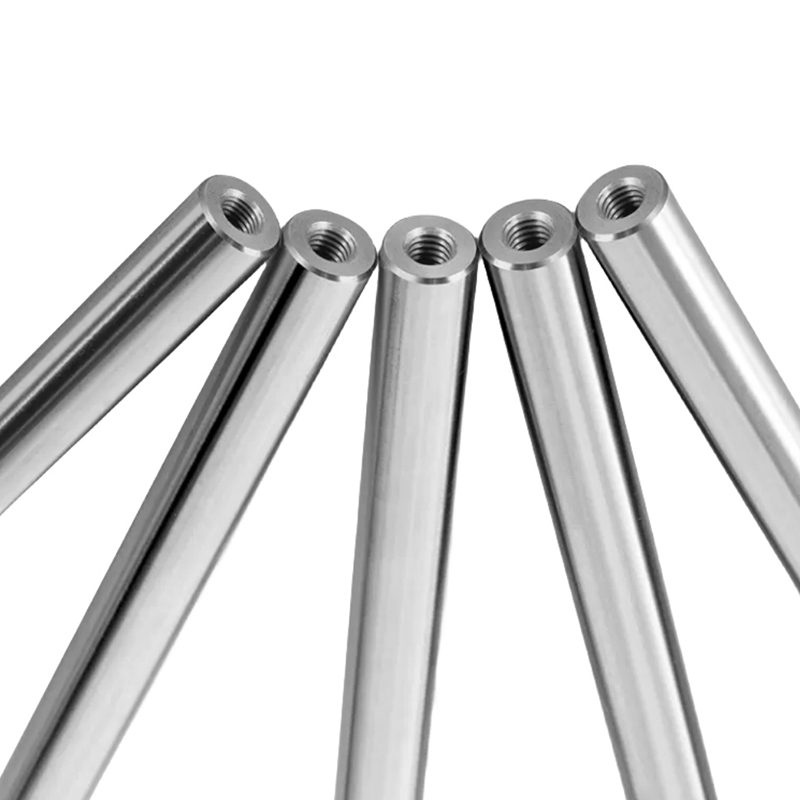
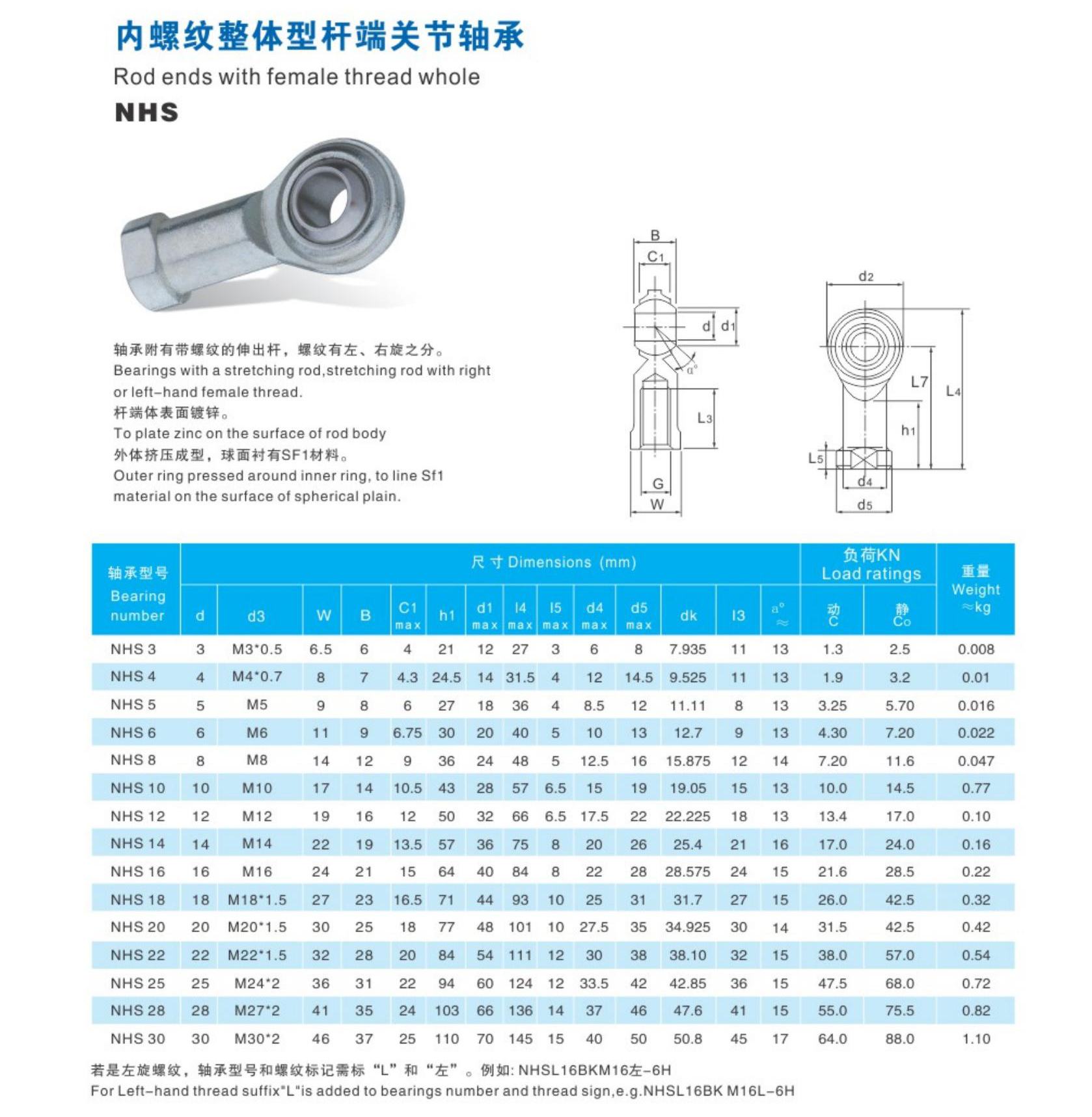
● By Thread Specification: Internal thread (prefix I) and external thread (prefix A), supporting left/right rotation, metric and imperial standards, with adjustable length to compensate for assembly deviations.
● By Structural Form: Per GB/T9161, available as straight rod, bent rod (SQ series), welded (SK/SF series) and slotted shank types, adapting to different mounting scenarios.
● By Load Class: Standard (for medium/light loads) and heavy-duty enhanced (EH/EG series, with over 30% higher load-bearing and impact resistance); imperial Z/JK series fit imported equipment, enabling localized substitution.
Key Performance Indicators and Core Advantages
● Excellent Load-Bearing Capacity: Uniform load distribution on the spherical surface; standard models handle 100-500 kN, while heavy-duty models withstand 4500 N/mm² impact loads.
● Flexible Movement: Supports ±25° swing (max 120 cycles/minute), absorbs ±1.5° axial misalignment and relieves assembly stress.
● Wide Adaptability: Operating temperature ranges from -30℃ to 150℃ (260℃ for high-temperature models); corrosion-resistant models pass 1000+ hours of salt spray testing, suiting various harsh conditions.
● Easy Installation & Maintenance: Compact structure with multiple mounting options; self-lubricating models have an 8000-hour maintenance cycle, significantly reducing downtime costs.
● Stable Operation: Precision spherical processing combined with high-quality sealing reduces friction and noise, slows wear and improves equipment operational stability.
● Strong Localization Compatibility: Imperial series are compatible with imported equipment, cutting supporting costs and avoiding long import lead times.
Industrial Application Scenarios
● Construction Machinery: Used in connecting rods and steering mechanisms of excavators, cranes, etc., to enhance operational stability and durability.
● Automation & Robotics: Applied to robot arms and production line joints to ensure precise movement and reduce operational noise.
● Transportation: Suitable for automotive steering, rail transit and marine machinery, adapting to complex conditions to ensure operational safety.
● High-End Equipment: Used in aerospace, precision machine tools and agricultural machinery, withstanding extreme conditions to meet strict requirements.
● General Machinery: Applied to injection molding machines, mining machinery, etc., to resolve insufficient concentricity and improve operational efficiency.
Installation Specifications, Maintenance Points and Fault Handling
(1) Key Installation Specifications
● Clean impurities on the mounting surface, verify size compatibility and avoid excessive mounting stress.
● Use a special sleeve for press-fitting or evenly hammering the ferrule; never strike the outer ring or spherical surface directly.
● Adopt hot-fitting (80-100℃) for large interference; keep pushing tightly and rotating slightly during cooling.
● Heating can be used for tight fits; reserve 0.1-0.3mm axial clearance for threads, lock securely and check swing flexibility after installation.
(2) Daily Maintenance Points
● Regularly replenish grease for forced lubrication models (≤30% of the cavity) and inspect radial clearance quarterly (≤0.15mm).
● Monitor temperature, vibration and other indicators; stop and inspect immediately if abnormalities occur.
● Regularly check seals; add extra anti-rust treatment for outdoor/corrosive conditions and conduct comprehensive inspections every 6-12 months.
(3) Common Faults and Handling Methods
● Excessive Wear: Replace the bearing, optimize lubrication and sealing, and enhance impurity protection.
● Rust Damage: Replace with 316L bearings, replace seals, and improve anti-rust measures and operating environment.
● Cracks & Spalling: Replace the bearing immediately, inspect installation and load issues, and adjust mounting or switch to a heavy-duty model.
● Bearing Seizure: Disassemble and clean, adjust clearance, replace grease/bearing, and inspect for sealing hazards.
● Thread Loosening: Retighten, reinforce with lock nuts/thread lockers, and inspect regularly.
Summary
Rod end bearings are core connectors across multiple industries. With advantages like strong load-bearing capacity and flexible movement, they suit various operating conditions. Their reliability is closely tied to structural design, selection, installation and maintenance. Standardized operations can prevent faults, extend service life and reduce costs. Through technological innovation, they will further adapt to extreme conditions, improve the localization system and support the high-quality development of industrial manufacturing.


 English
 Español
 Deutsch
 عربى
عربى
 +86 17398543323