Comprehensive Introduction to SBR/TBR Linear Guides
Both SBR and TBR linear guides belong to the cylindrical linear guide series, serving as core transmission components for achieving high-precision linear motion in the industrial automation field. With their advantages of simple structure, excellent cost performance, and stable operation, they are widely applied in linear guide systems of various mechanical equipment, acting as a key link connecting power sources and executive mechanisms to provide solid support for efficient equipment operation.
Core Structure, Material and Craftsmanship
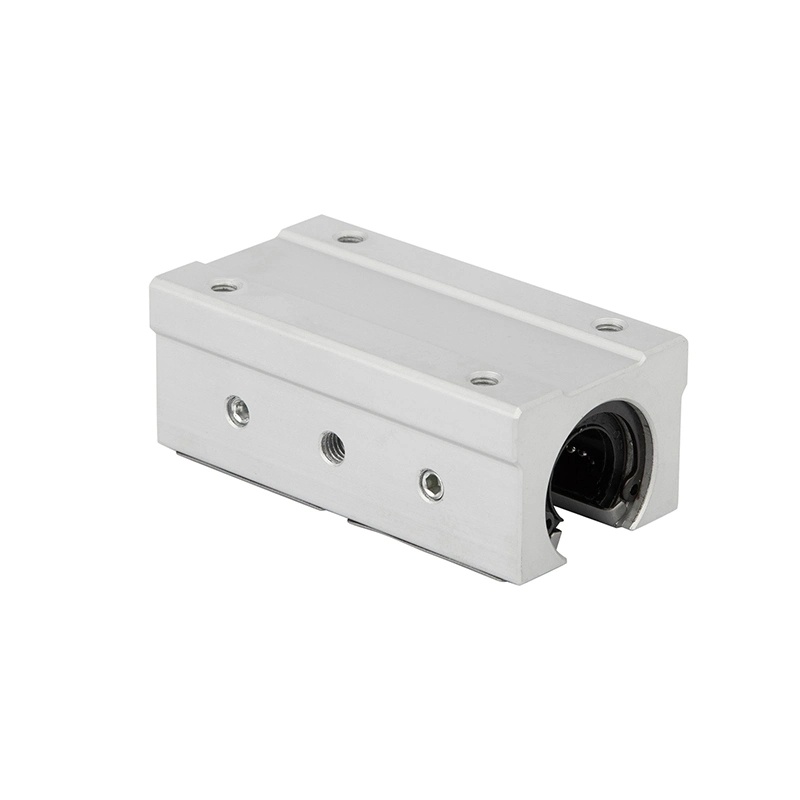
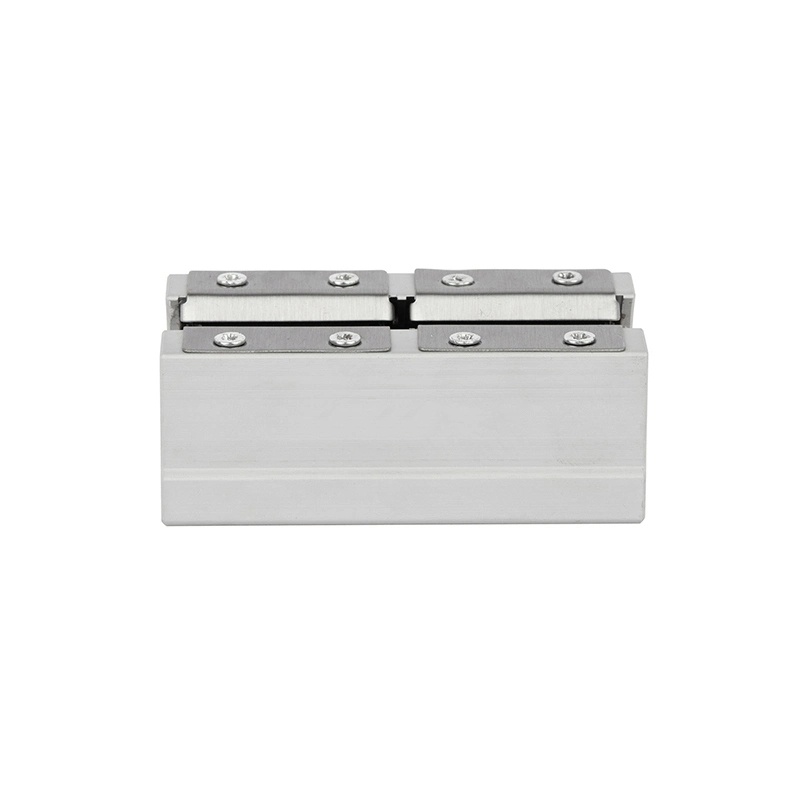
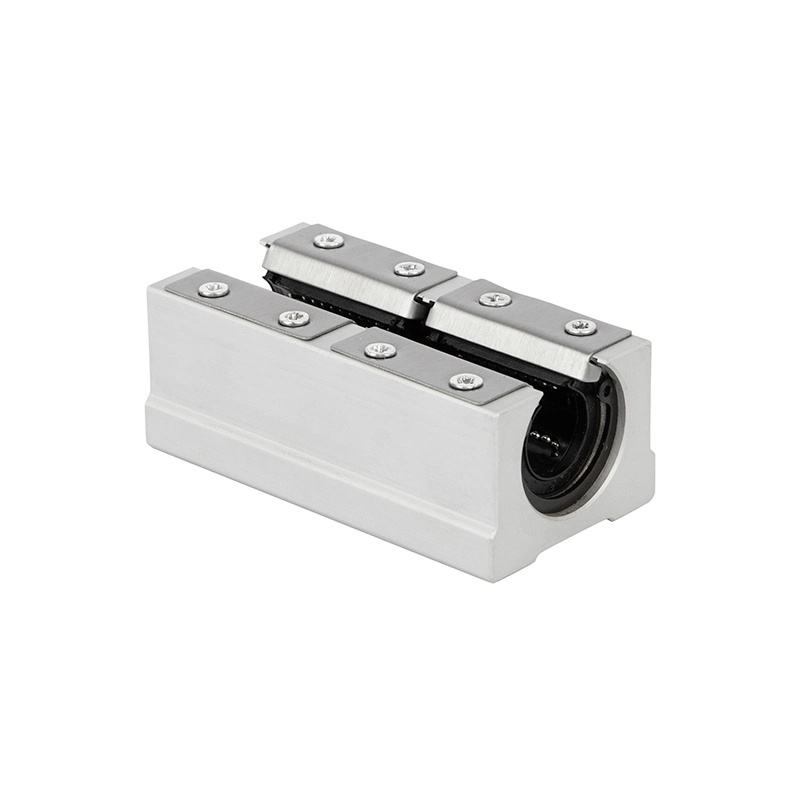
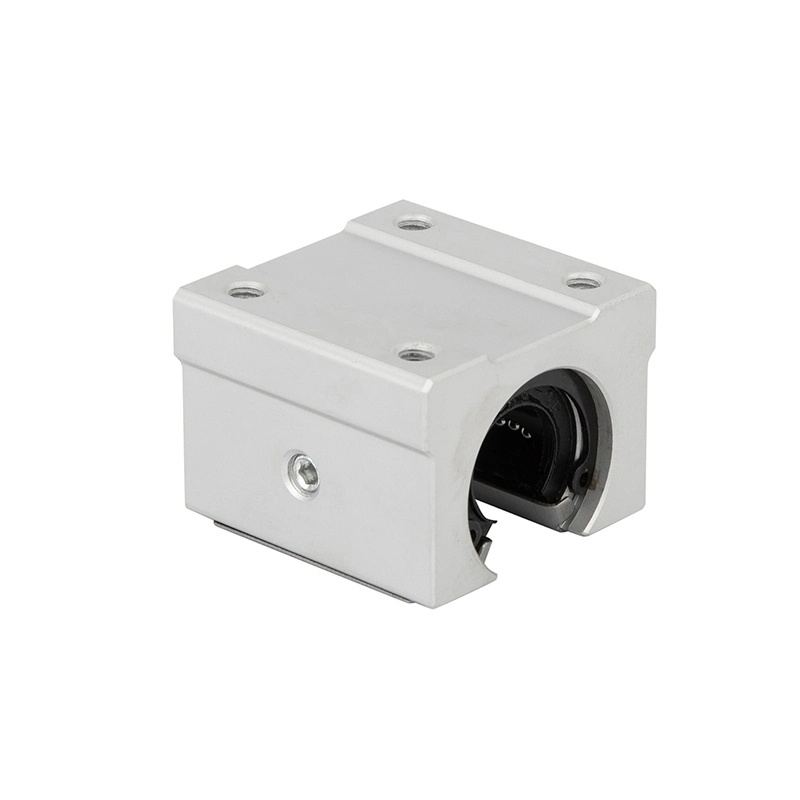
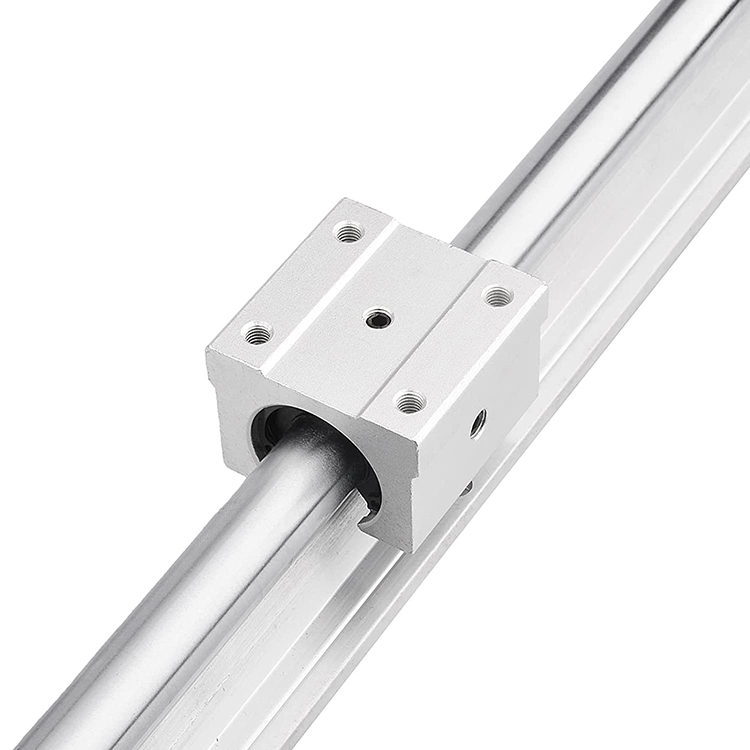
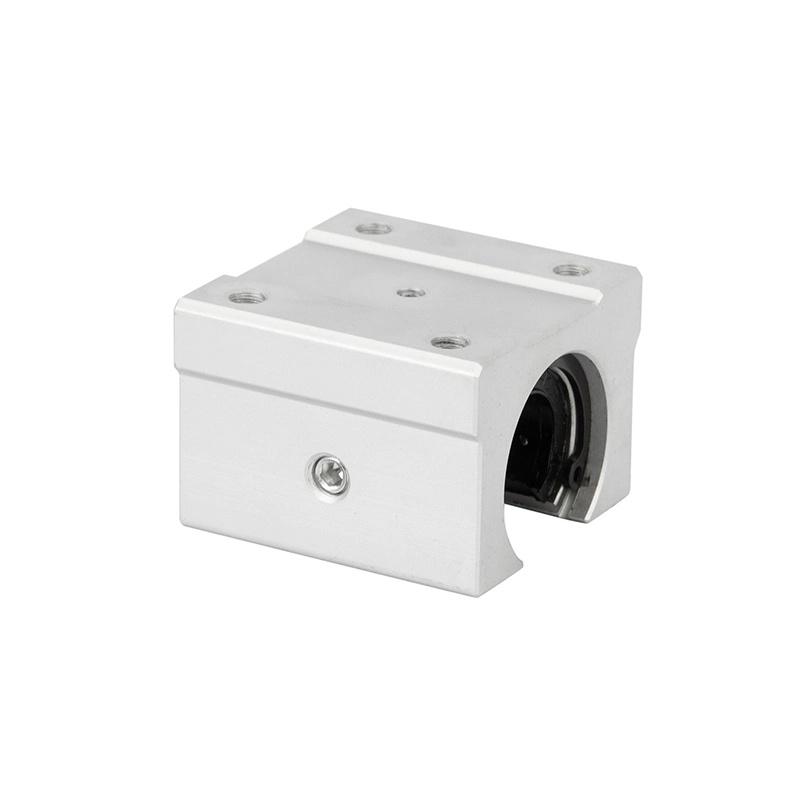
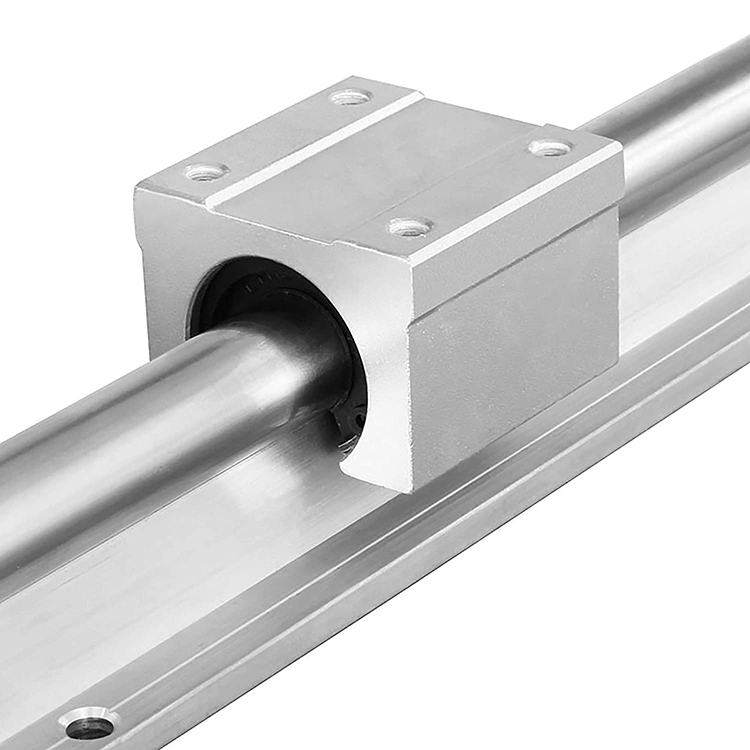
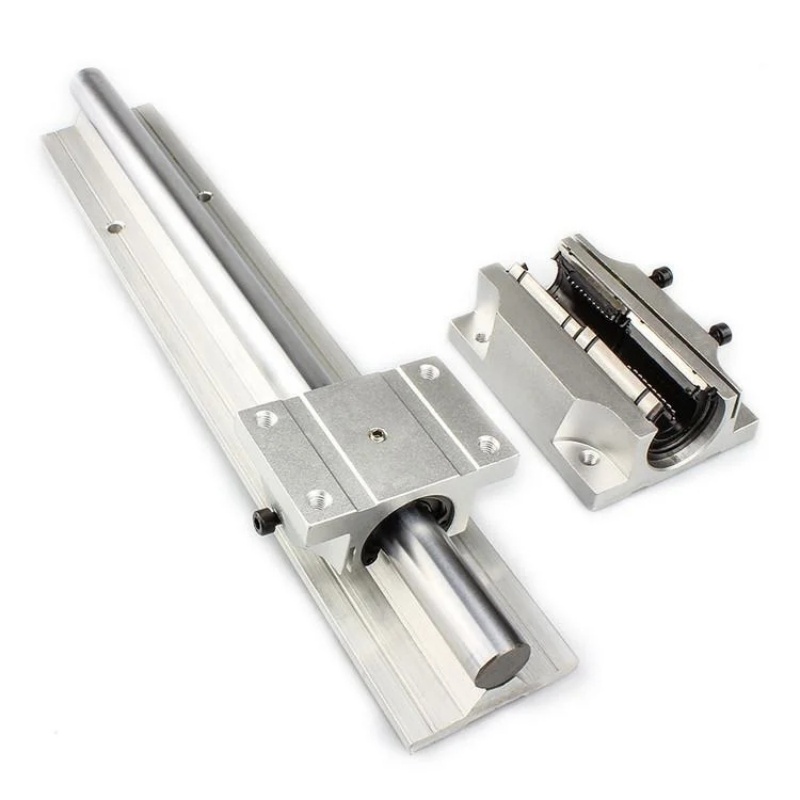
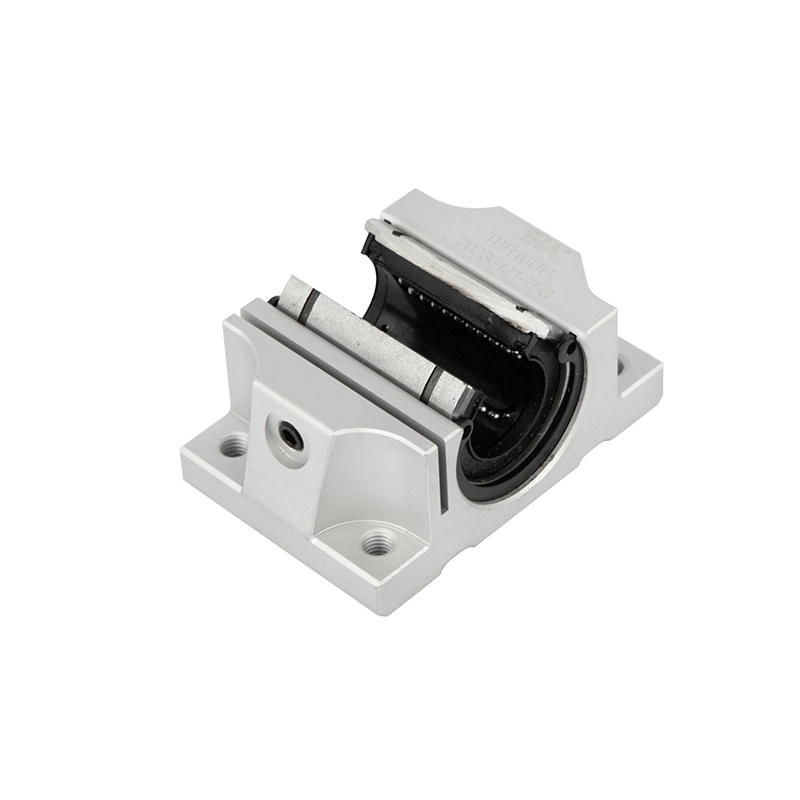
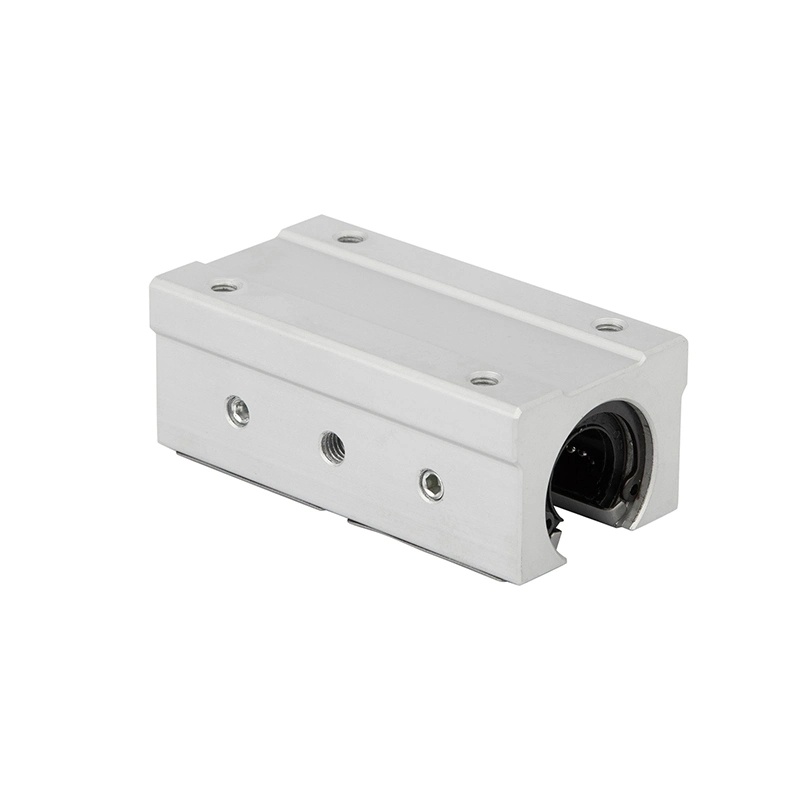
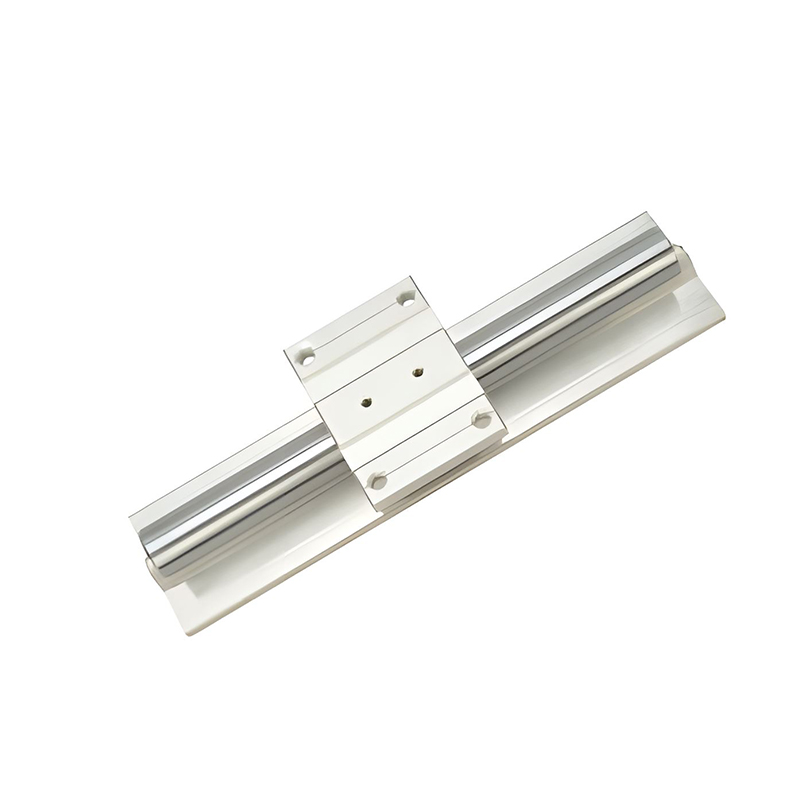
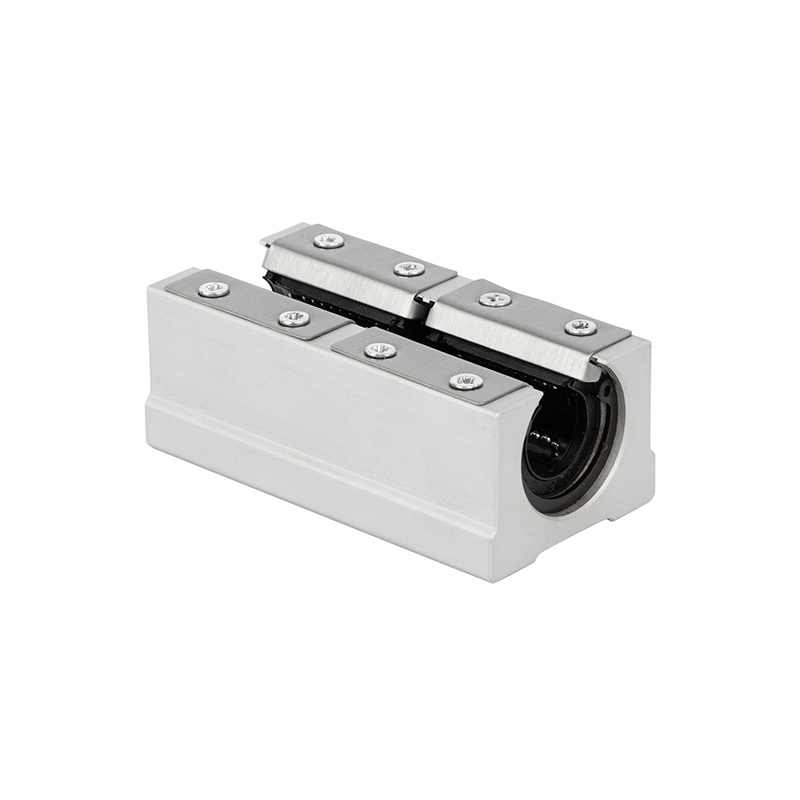
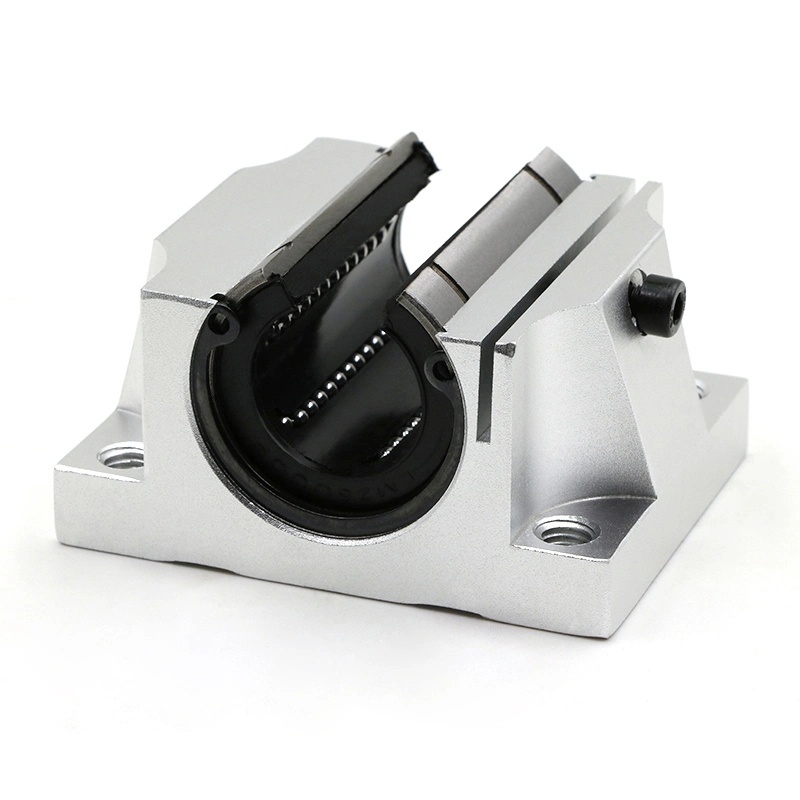
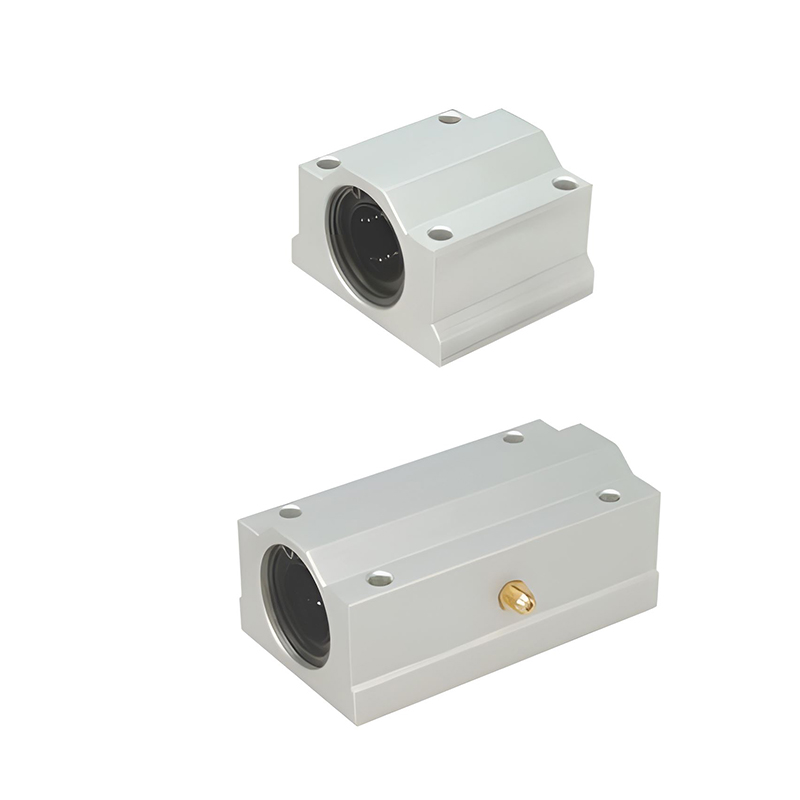
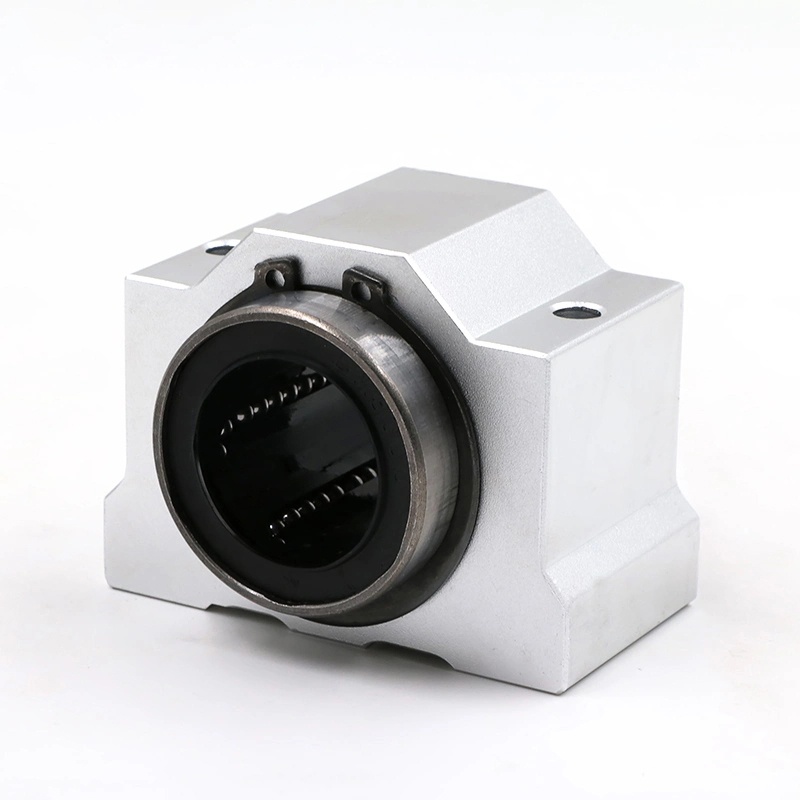
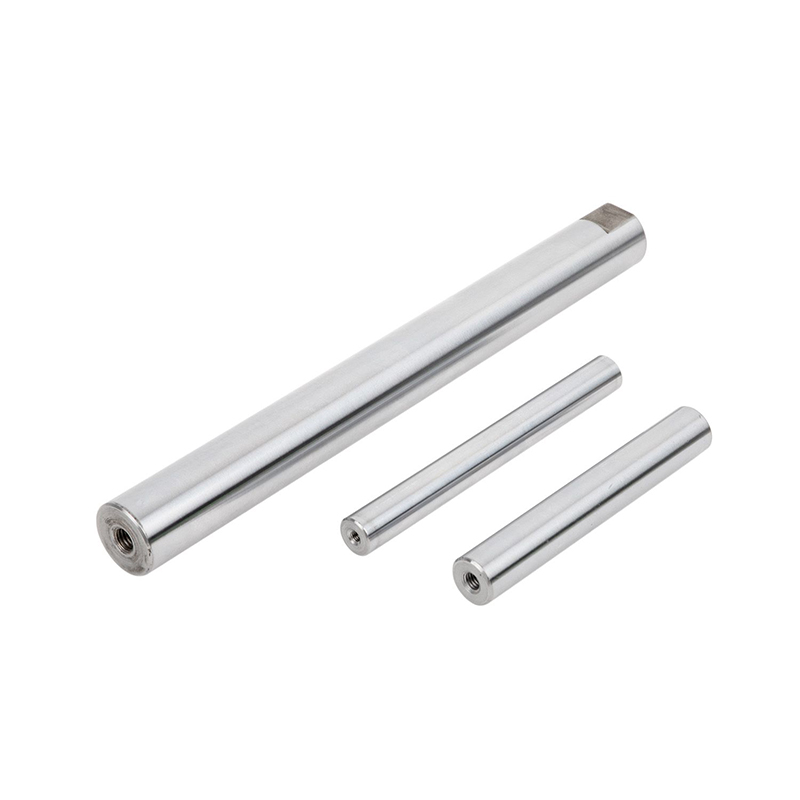
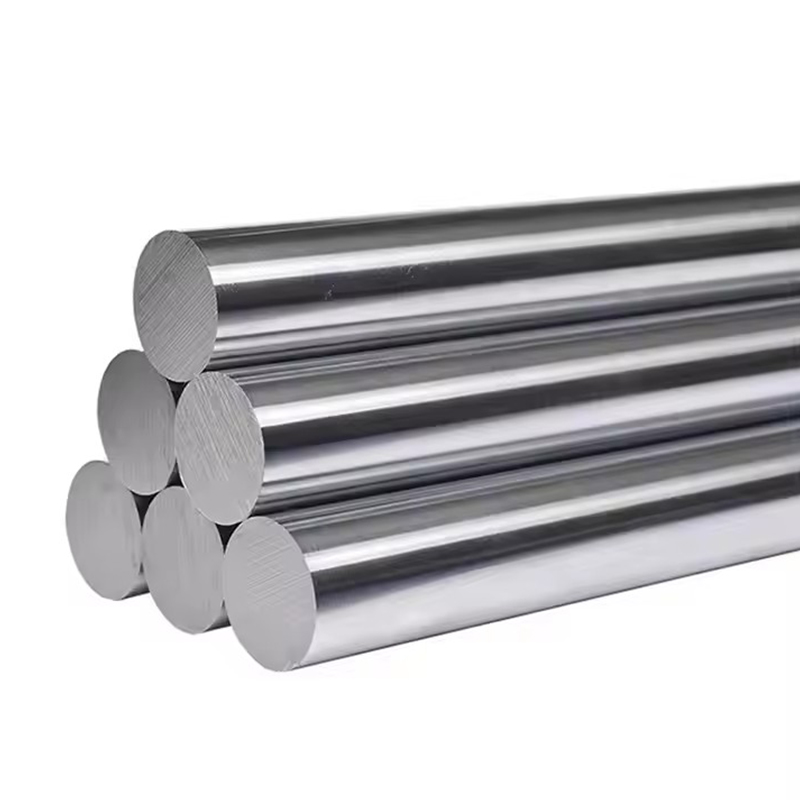
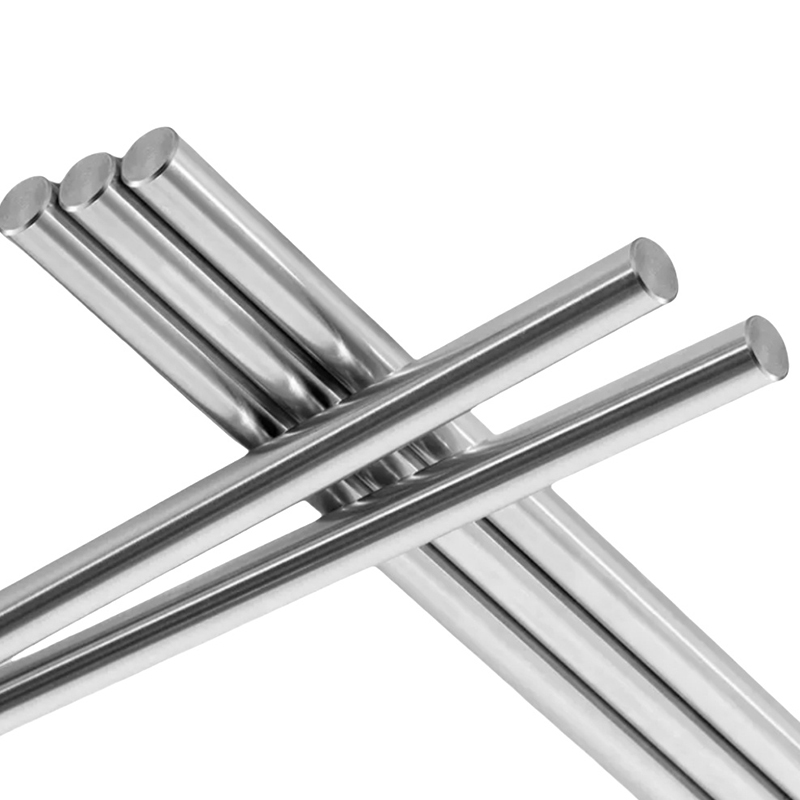
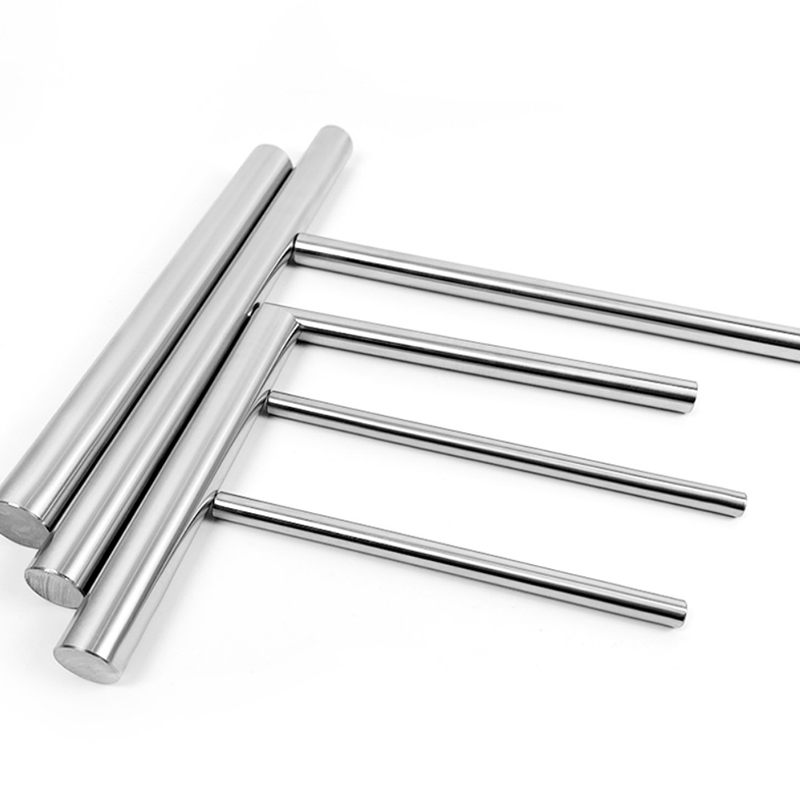
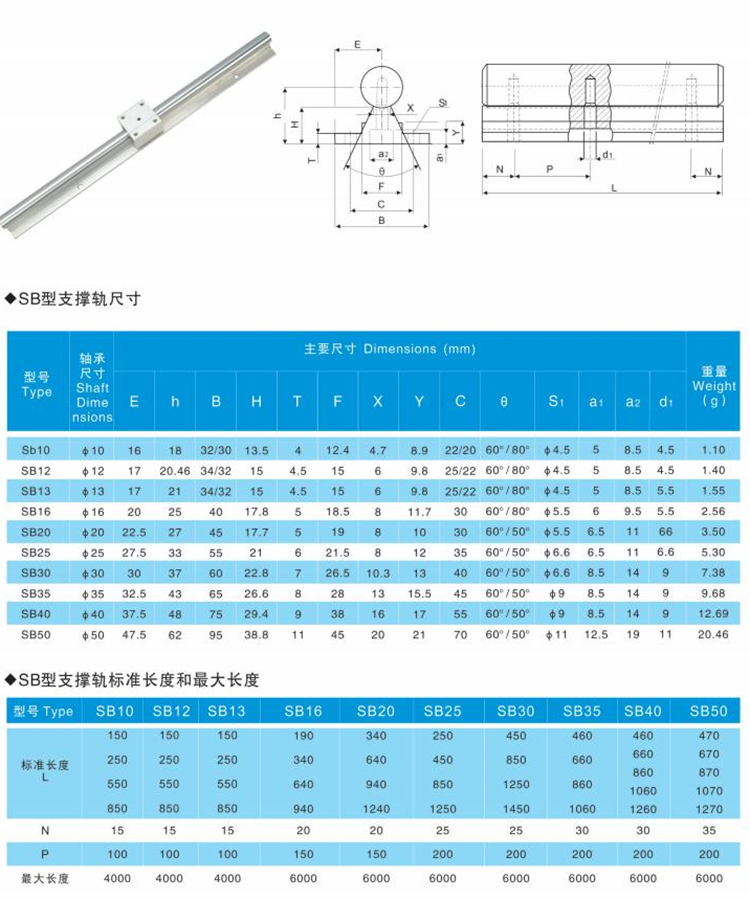
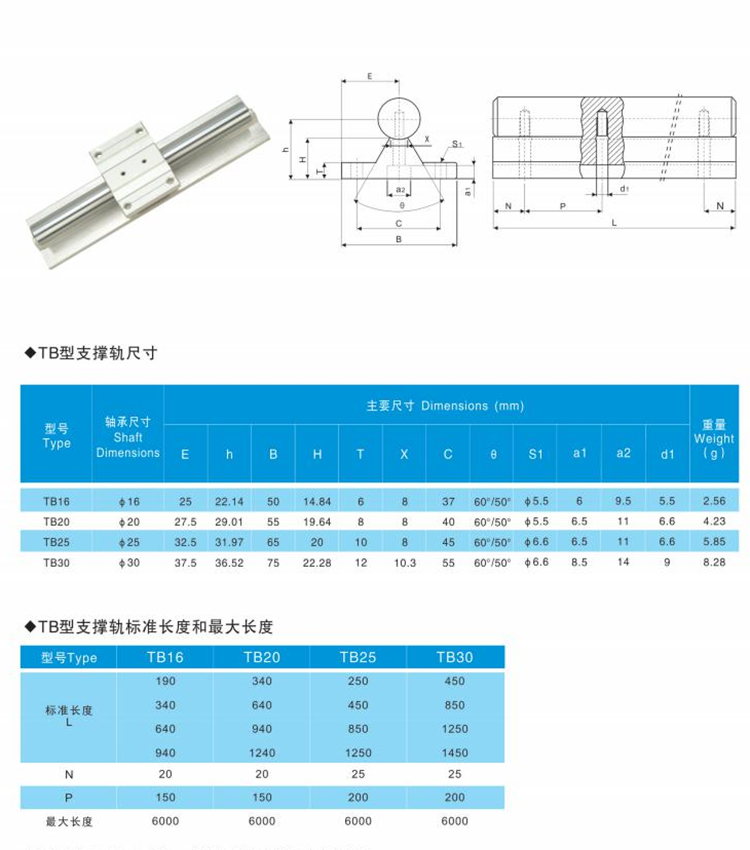
Both SBR and TBR linear guides adopt a modular structural design, mainly consisting of four parts: linear optical axis, aluminum alloy base, slider, and built-in rolling bearing. They can be supplied as a whole or as separate components, and all components are standardized, featuring complete interchangeability, which greatly simplifies the installation and maintenance processes.
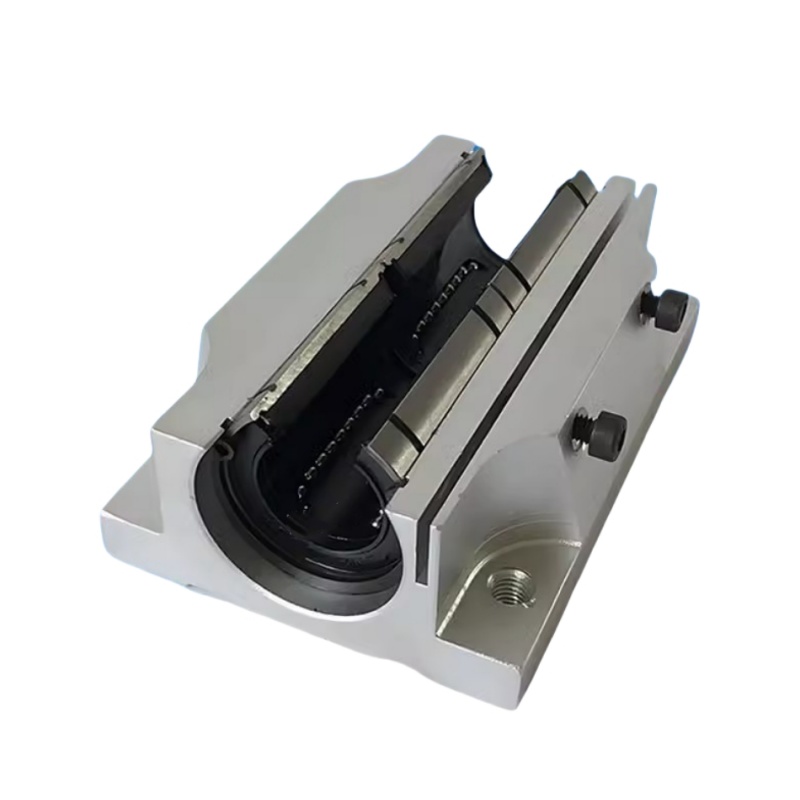
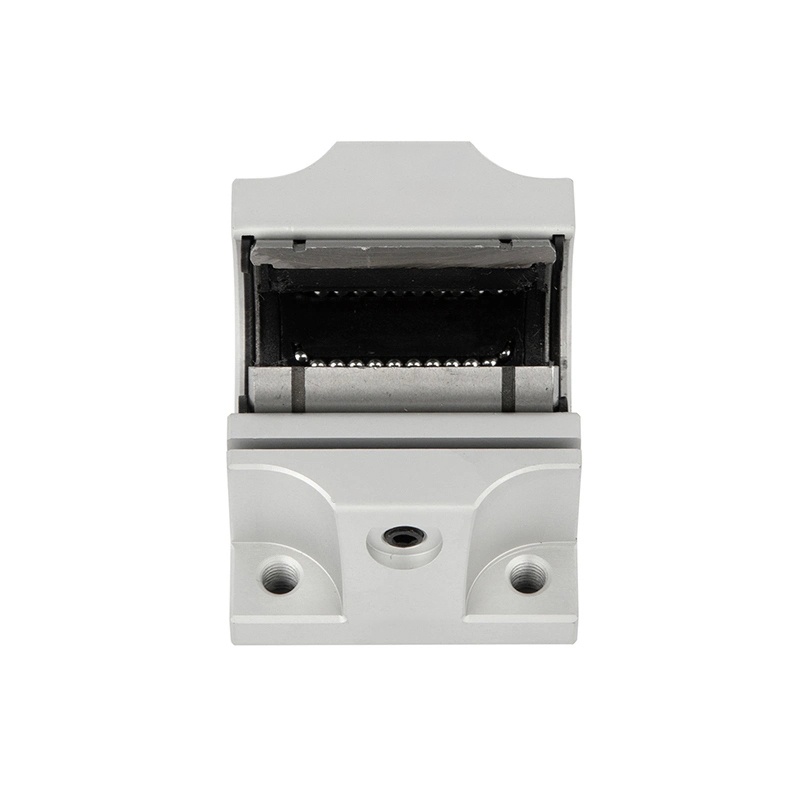
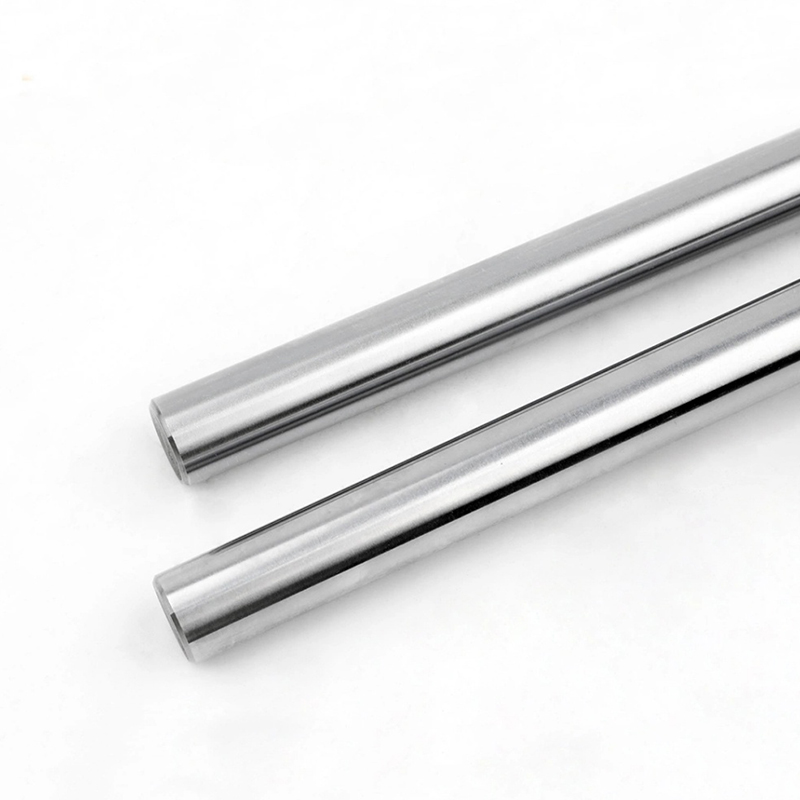
In terms of material selection, the linear optical axis is mostly made of high-purity bearing steel or chrome-plated steel. After high-frequency quenching, precision grinding, and surface chrome plating, its hardness can reach HRC 58-62, offering excellent wear resistance, corrosion resistance, and fatigue strength. The slider housing is made of high-strength aluminum alloy, ensuring structural rigidity while achieving a lightweight design. Built-in ball linear bearings inside realize linear motion through rolling friction between steel balls, the optical axis, and the slider, significantly reducing running resistance. The aluminum alloy base undergoes precision machining with pre-reserved standardized mounting holes, and some models are equipped with anti-deflection structures to provide stable support for the entire guide rail.
Common Core Characteristics
As similar cylindrical linear guides, SBR and TBR linear guides share multiple core advantages, adapting to the diverse needs of industrial scenarios:
● High Precision and Stability: The rolling friction coefficient is only 1/50 of that of traditional sliding guides, with a very small difference between dynamic and static friction forces, effectively avoiding motion slippage. The positioning accuracy can reach ±0.01mm/m, and the repeat positioning accuracy is ±0.005mm, enabling long-term high-precision guidance while significantly reducing running vibration and noise.
● High Efficiency and Low Consumption: The low-friction characteristic not only reduces ineffective motion loss but also lowers the equipment's driving power requirement, making it particularly suitable for high-frequency reciprocating motion scenarios and effectively saving energy consumption. Moreover, the heat generated by friction is minimal, supporting high-speed operation of 250-1000mm/s to meet various high-speed transmission needs.
● Easy Installation and Maintenance: The pre-drilled base design facilitates quick positioning and assembly without complex machining of the mounting surface. The slider is equipped with a dedicated oil nozzle, allowing manual oil injection or connection to an automatic oil supply system. The lubrication structure is simple, and regular cleaning and lubrication can extend the service life.
● Strong Environmental Adaptability: The surface chrome plating provides good rust resistance, and some manufacturers can offer corrosion-resistant customized models that can work stably in complex environments such as humidity and mild acid-base conditions. It also has a certain dust-proof performance, adapting to dusty working conditions in industrial sites.
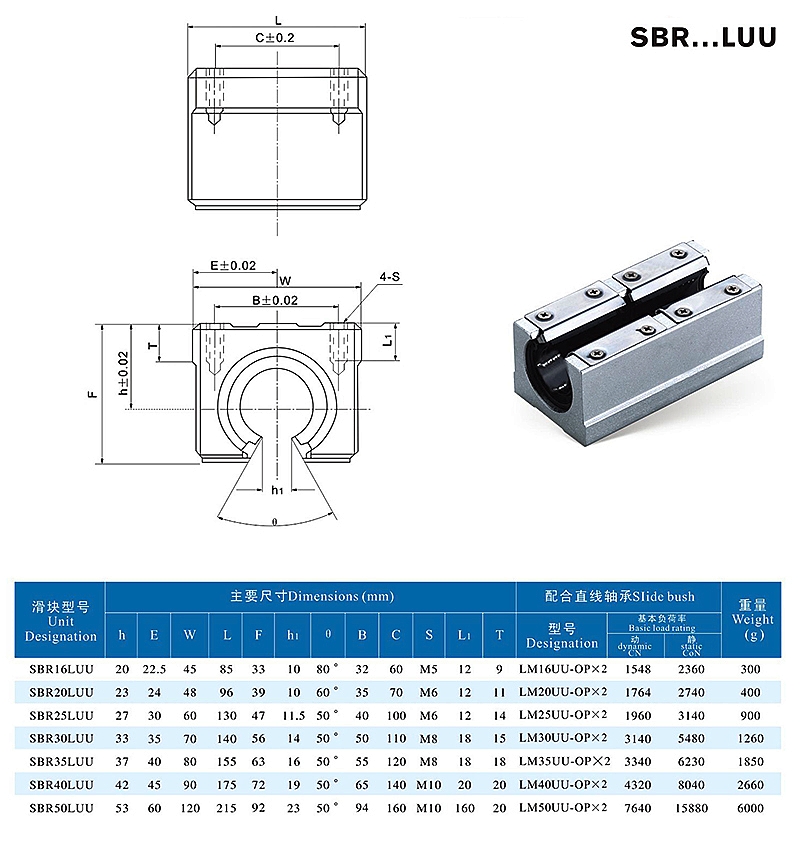
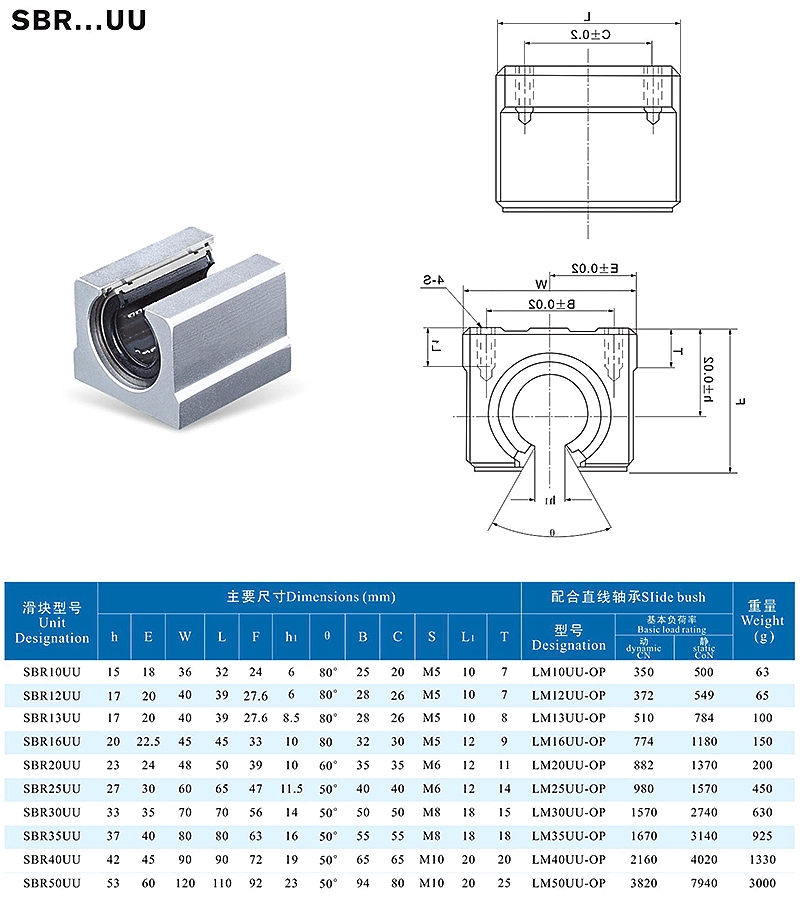
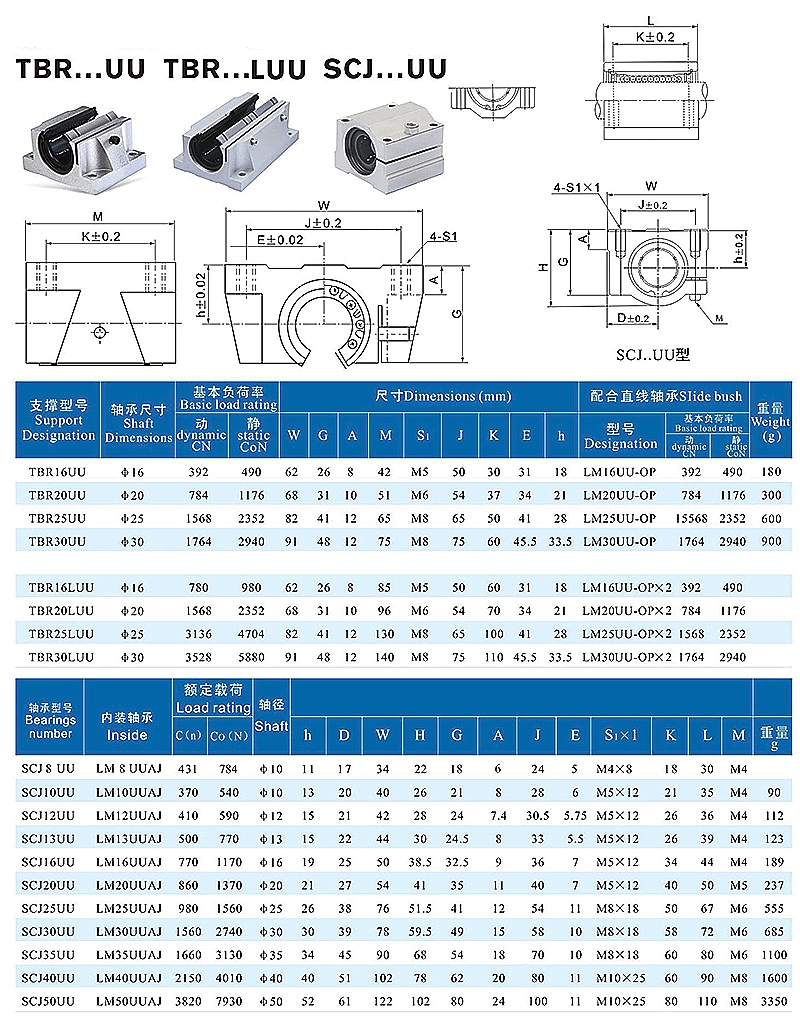
● Specifications and Customization: The SBR series covers specifications from 10mm to 50mm (e.g., SBR10UU, SBR25UU), while the TBR series commonly includes specifications from 16mm to 30mm (e.g., TBR16UU, TBR25UU), with extended versions available (model suffix with "L", i.e., SBRLUU, TBRLUU). The length of the guide rail can be customized on demand, up to 6 meters. High-quality suppliers can also provide special size, material, and surface treatment solutions to meet the needs of segmented scenarios. The following are the mainstream model specifications of the two types of guide rails, sorted out in combination with practical applications and woodworking machinery adaptation requirements for subsequent selection reference.
2.1 Mainstream Model Specification Table
The models of SBR and TBR linear guides are named by "series + specification + end structure" (UU stands for double sealed ends, L stands for extended). The following table shows the mainstream market specification parameters, clarifying core information such as rated dynamic load and size of each model, marking the adaptation direction of woodworking machinery, and echoing the special selection table in the following content.
|
Guide Rail Series
|
Model Example
|
Optical Axis Diameter (mm)
|
Slider Length (mm)
|
Rated Dynamic Load (N)
|
Application Scenarios (Including Woodworking Machinery Linkage)
|
|
SBR Series
|
SBR16UU
|
16
|
68
|
2800
|
Light-duty equipment, narrow spaces, suitable for light woodworking engraving machines, corresponding to the recommended models in the woodworking machinery selection table below.
|
|
SBRL16UU (Extended Version)
|
16
|
102 (50% Extended)
|
3100 (11% Increased)
|
Suitable for light-duty high-frequency vibration scenarios and small woodworking engraving machines, which can improve operation stability, corresponding to the recommended scheme in the selection table below.
|
|
SBR20UU
|
20
|
80
|
4200
|
General light-load scenarios, suitable for ordinary edge banding machines, corresponding to the recommended models in the woodworking machinery selection table below, and also applicable to small conveyors.
|
|
SBRL20UU (Extended Version)
|
20
|
120 (50% Extended)
|
4650 (11% Increased)
|
Suitable for light-load high-frequency vibration scenarios, can be used for ordinary edge banding machines and auxiliary mechanisms of small woodworking machinery to enhance overall vibration resistance.
|
|
SBR25UU
|
25
|
95
|
6500
|
Medium-light load scenarios, suitable for ordinary edge banding machines, corresponding to the recommended models in the woodworking machinery selection table below, and also applicable to general automation mechanisms.
|
|
SBRL25UU (Extended Version)
|
25
|
142.5 (50% Extended)
|
7200 (10% Increased)
|
Suitable for medium-light load high-frequency vibration scenarios and medium woodworking engraving machines, corresponding to the selection table below. After the slider is extended by 50%, the load-bearing stability and vibration resistance are significantly improved.
|
|
SBR30UU
|
30
|
110
|
9800
|
Heavy-load scenarios, such as medium conveyors, can be used for guiding auxiliary mechanisms of woodworking machinery.
|
|
SBRL30UU (Extended Version)
|
30
|
165 (50% Extended)
|
10800 (10% Increased)
|
Suitable for heavy-load auxiliary mechanisms of woodworking machinery and heavy-load high-frequency vibration scenarios, with better load-bearing stability.
|
|
TBR Series
|
TBR16UU
|
16
|
72
|
3000
|
Light-duty flange mounting scenarios, suitable for light woodworking engraving machines, corresponding to the recommended models in the woodworking machinery selection table below, and also applicable to small testing instruments.
|
|
TBRL16UU (Extended Version)
|
16
|
108 (50% Extended)
|
3450 (15% Increased)
|
Suitable for light-duty flange mounting high-frequency vibration scenarios and small woodworking engraving machines, the flange structure can enhance overall rigidity, corresponding to the selection table below.
|
|
TBR20UU
|
20
|
85
|
4500
|
General medium-load scenarios, suitable for woodworking sliding table saws, panel saws, sanding machines, corresponding to the recommended models in the woodworking machinery selection table below.
|
|
TBRL20UU (Extended Version)
|
20
|
127.5 (50% Extended)
|
5175 (15% Increased)
|
Suitable for medium-load high-frequency vibration scenarios, can be used for small woodworking sliding table saws and sanding machines to simultaneously improve vibration resistance and load-bearing capacity.
|
|
TBR25UU
|
25
|
100
|
7000
|
Medium-heavy load scenarios, suitable for woodworking sliding table saws, panel saws, medium engraving machines, corresponding to the recommended models in the woodworking machinery selection table below, and also applicable to heavy edge banding machines.
|
|
TBRL25UU (Extended Version)
|
25
|
150 (50% Extended)
|
7800 (11% Increased)
|
Suitable for medium-heavy load high-frequency vibration scenarios and medium woodworking engraving machines, heavy sliding table saws, corresponding to the selection table below, with better load-bearing stability.
|
|
TBR30UU
|
30
|
115
|
10500
|
Heavy-duty working conditions, suitable for heavy sliding table saws, large panel saws, corresponding to the supplementary prompt models in the woodworking machinery selection table below, and also applicable to heavy-load conveying equipment.
|
|
TBRL30UU (Extended Version)
|
30
|
172.5 (50% Extended)
|
12075 (15% Increased)
|
Suitable for heavy-duty high-frequency vibration scenarios and large woodworking panel saws, heavy-load conveying mechanisms, the extended flange design can maximize rigidity.
|
Note: The above parameters are conventional standard values, which may vary slightly among different manufacturers due to process differences. The extended SBRLUU and TBRLUU versions cover all diameter specifications of 16mm, 20mm, 25mm, and 30mm. The slider length is increased by 50% compared with the standard version of the same specification, and the rated dynamic load is increased by 10%-15%, which can enhance load-bearing stability and vibration resistance, adapting to high-frequency vibration scenarios such as various woodworking engraving machines, sliding table saws, and sanding machines.
Core Differences Between SBR and TBR Linear Guides
SBR and TBR linear guides have basically the same force-bearing performance, with core differences focusing on structure, installation, load-bearing capacity, etc. The specific comparison table is as follows for quick selection reference:
|
Comparison Dimension
|
SBR Linear Guide
|
TBR Linear Guide
|
|
Structural Form
|
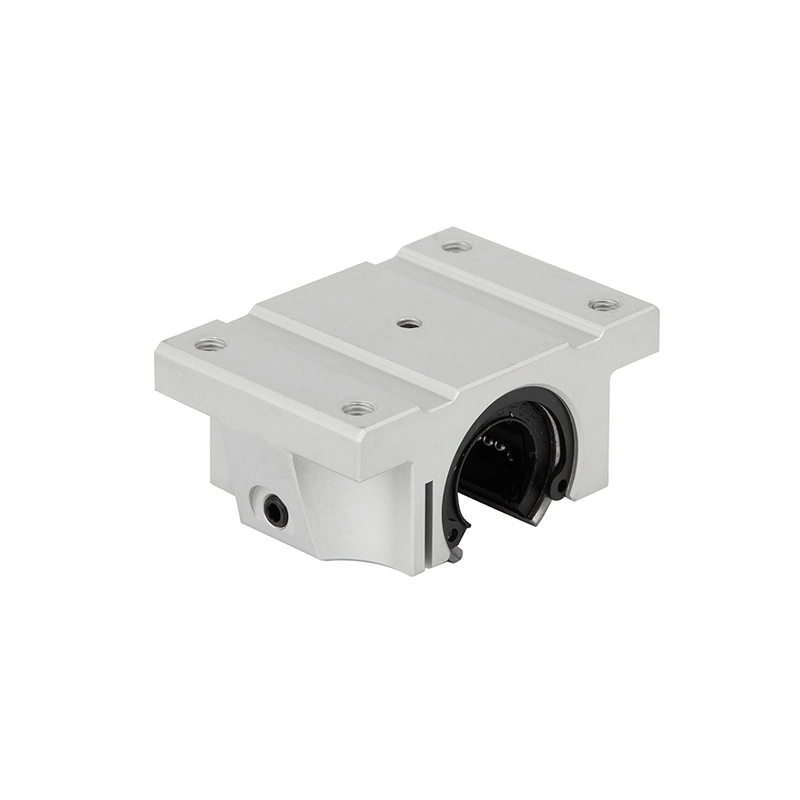
Square slider, hollow aluminum base, no flange structure, compact shape; extended SBRL versions are available for all diameters of 16mm, 20mm, 25mm, and 30mm, with the same structure and only 50% extended slider length uniformly.
|
Flange-type slider, solid aluminum base, through-mounting threaded holes, better rigidity; extended TBRL versions are available for all diameters of 16mm, 20mm, 25mm, and 30mm, adopting the flange structure with 50% extended slider length uniformly to further improve rigidity.
|
|
Combination Height and Interchangeability
|
Fixed center height, only suitable for specific size matching; the extended version has the same center height as the standard version of the same specification and can be used interchangeably.
|
Different center height from SBR, sliders and guide rails can be interchanged arbitrarily; the extended version has the same center height as the standard version of the same specification, and interchangeability is not affected.
|
|
Installation Method
|
Only supports single-direction installation from top to bottom, with limited scenarios; the installation method of the extended version is the same as that of the standard version.
|
Bidirectional installation (both top and bottom), adapting to complex spaces; the extended version retains the bidirectional installation advantage, with the same mounting holes as the standard version.
|
|
Load-bearing Capacity
|
Relatively weak, suitable for light-load scenarios; the load-bearing capacity of the extended version is increased by about 10% compared with the standard version of the same specification.
|
Better stability, suitable for medium-heavy load working conditions; the load-bearing capacity of the extended version is increased by 11%-15% compared with the standard version of the same specification, with stronger vibration resistance.
|
|
Cost and Weight
|
Low cost, high cost performance, and light overall weight; the extended version has slightly higher cost and weight than the standard version of the same specification due to increased materials.
|
Complex process, slightly higher price, and heavy overall weight; the cost and weight of the extended version are higher than those of the standard version of the same specification but lower than those of the standard version of the next higher level.
|
Combined with the above difference comparison table, SBR or TBR linear guides can be accurately selected according to load, installation space, and cost budget, with extended versions available for all diameters of 16mm, 20mm, 25mm, and 30mm. Combined with the specification table above and the application selection table below, a complete selection logic chain of "parameter comparison - difference analysis - scenario adaptation" is formed to provide accurate solutions for different working conditions.
Note: Early TBR linear guides were equipped with adjustment grooves and screws on the side to adjust the fit clearance; later, this function was gradually canceled due to product upgrades and cost optimization, and all existing products (including extended versions) ensure fit accuracy through precision machining.
Application Scenarios and Industry Applications
With high cost performance and stable performance, SBR/TBR linear guides are suitable for scenarios with strict cost control and moderate requirements for guiding accuracy, widely covering multiple industrial fields. The specific applications and adaptation scenarios of extended versions are as follows.
1. General Industrial Automation Equipment
Applicable to automatic production lines, material conveying equipment, positioning devices, etc., such as belt conveyors, manipulator loading and unloading mechanisms, and automatic assembly lines. The extended version can be used for automation mechanisms with high-frequency reciprocation and large vibration to improve operation stability.
2. Machine Tools and Processing Equipment
Linear guides are widely used in the woodworking machinery field. Combined with the core parameters of the specification table above, a special selection table is sorted out below for different working conditions, loads, and precision requirements of woodworking machinery. The table balances adaptability and cost performance, clarifies the adaptation scheme of extended versions, and forms a linked selection system with the specification table.
|
Woodworking Machinery Type
|
Recommended Guide Rail Models (Corresponding to Specification Table, Clarifying Extended Version Adaptation Scheme)
|
Adaptation Core (Associated with Specification Table Parameters)
|
Supplementary Notes
|
|
Woodworking Sliding Table Saws, Panel Saws
|
Small: TBR20UU, TBRL20UU (4500-5175N); Medium: TBR25UU, TBRL25UU (7000-7800N); Heavy-duty/High-frequency Vibration: TBR30UU, TBRL30UU (10500-12075N)
|
Strong vibration resistance, can adapt to the pushing load of different specifications of panels. The extended TBRL versions of all diameters have better rigidity, corresponding to the parameters in the specification table, accurately matching the high-frequency vibration requirements of various models of equipment, and ensuring panel cutting accuracy.
|
Select according to equipment size; for high-frequency vibration scenarios, preferentially choose the extended TBRL version of the corresponding diameter, with sufficient installation length reserved.
|
|
Edge Banding Machines
|
Small: SBR16UU, SBRL16UU (2800-3100N); General: SBR20UU, SBRL20UU (4200-4650N); Heavy-duty: TBR30UU (10500N)
|
Adapt to high-speed reciprocating working conditions, the SBR series has outstanding cost performance. The extended versions of 16mm and 20mm can adapt to the high-frequency operation of small edge banding machines. Due to the small vibration of the equipment, there is no need to select heavy-duty extended versions, which accurately match the parameters in the specification table.
|
Adapt to table adjustment and edge banding head movement; for small high-frequency operations, the extended SBRL16/20 versions can be selected.
|
|
Woodworking Engraving Machines
|
Miniature: SBR16UU, TBRL16UU (2800-3450N); Small: SBR20UU, TBRL20UU (4200-5175N); Medium/High-precision: SBR25UU, SBRL25UU, TBR25UU, TBRL25UU (6500-7800N)
|
High-precision guiding is required. The extended SBRL/TBRL versions of all diameters of 16mm, 20mm, and 25mm correspond to the load and size parameters in the specification table, which can improve operation stability under high-frequency vibration and ensure engraving accuracy.
|
G6 level accuracy can meet the requirements; for high-frequency vibration scenarios, preferentially select the extended version of the corresponding diameter, and the flange-type TBRL series has better rigidity.
|
|
Sanding Machines
|
Small: TBR20UU, TBRL20UU (4500-5175N); Medium: TBR25UU, TBRL25UU (7000-7800N); Heavy-duty: TBR30UU, TBRL30UU (10500-12075N)
|
Dust-proof and wear-resistant performance adapts to dusty working conditions. The extended TBRL versions of 20mm, 25mm, and 30mm correspond to the parameters in the specification table, with better vibration resistance, adapting to the high-frequency vibration requirements of various models of sanding machines.
|
It is recommended to match with dust-proof accessories; select according to the power of the sanding machine; the extended version of the corresponding diameter must be selected for high-frequency vibration scenarios.
|
In addition to woodworking machinery, the above selection logic can be applied to general processing equipment such as CNC lathes, milling machines, and laser cutting/engraving machines: select SBR16/20 and corresponding extended SBRL versions for light-load scenarios, TBR20/25 and corresponding extended TBRL versions for medium-load scenarios, TBR25/30 and corresponding extended TBRL versions for heavy-load scenarios, and extended versions of various diameters (16mm, 20mm, 25mm, 30mm) can be selected as needed for high-frequency vibration scenarios. The length of the guide rail can be customized on demand (up to 6 meters), and ultra-long strokes can be achieved by splicing. It also supports matching with positioners, locking handles, and other accessories to simplify installation and operation processes.
3. Light Industry and Packaging Machinery
Applicable to printing machinery, food packaging machines, card sorters, etc., providing stable guidance in links such as paper conveying, material packaging, and card positioning to meet high-speed operation requirements. Extended versions are not required for most working conditions.
4. Electronic and Medical Equipment
Applied to SMT placement machines, winding machines, testing instruments, small medical equipment, etc., ensuring the accuracy of electronic component placement, coil winding, and detection probe movement with high precision. Some miniature models adapt to narrow spaces, and extended versions are generally not selected.
5. New Energy and Special Equipment
Widely used in new energy equipment, fitness machinery, rail transit platform screen doors, and other scenarios. Some corrosion-resistant models adapt to special working conditions in the new energy industry. Heavy-duty TBR linear guides and extended versions can meet the guiding and vibration resistance requirements of large equipment.
Selection Points and Maintenance
1. Core Selection Points
● Precision Requirement: Select the corresponding level according to the positioning accuracy requirement of the equipment. The precision of high-end brand products can reach ±0.01mm/m. Standard precision models can be selected for general scenarios. The extended version does not change the precision level but only enhances stability.
● Supplier Selection: Preferentially select manufacturers certified by ISO9001, such as Lishui Aoxin and Suzhou Jinggong, to ensure product quality and after-sales support. For customized extended versions, focus on examining the manufacturer's production process capabilities.
● Installation Space: For single-direction installation and limited space, prefer SBR; for complex spaces requiring bidirectional installation, select TBR; sufficient installation length must be reserved for extended versions to avoid assembly impact due to insufficient space.
● Load and Working Conditions: Prefer SBR for light-load and cost-sensitive scenarios; select TBR for medium-heavy load and scenarios requiring flexible installation directions; for high-frequency vibration scenarios with high stability requirements (such as woodworking engraving machines, sliding table saws, sanding machines), corresponding extended SBRL and TBRL versions can be selected according to diameters of 16mm, 20mm, 25mm, and 30mm, and specifications can be determined in combination with equipment operating speed and stroke length.
2. Maintenance Recommendations
● Regular Cleaning: Remove dust, oil stains, and impurities on the surface of the guide rail weekly. The extended slider has a larger contact area with the optical axis, so focus on cleaning the seals at both ends of the slider to prevent impurities from entering and wearing the bearing.
● Standardized Lubrication: Inject special lubricating oil or grease monthly. The extended version requires an appropriate increase in lubrication amount. For high-speed and high-frequency vibration scenarios, the lubrication cycle can be shortened to eliminate dry friction.
● Regular Inspection: Inspect the tightness of mounting bolts and the fit clearance between the slider and the optical axis quarterly. For the extended version, focus on checking the uniform contact of the entire slider length. If abnormal noise or jamming occurs, troubleshoot in time and replace the slider or optical axis if necessary.
● Storage Protection: Idle guide rails should be stored horizontally with anti-rust oil applied on the surface. Due to the long length of the extended version, avoid extrusion deformation and fix both ends properly during storage.
Market Trends and Summary
With the in-depth advancement of Industry 4.0 and intelligent manufacturing, the market demand for SBR/TBR linear guides maintains an annual growth rate of over 15%, and the market scale continues to expand. In the future, extended versions will further optimize structural design to achieve breakthroughs in lightweight and vibration resistance, while improving cost performance, and their application in high-frequency vibration and medium-heavy load mid-end transmission scenarios will become more widespread.
In summary, SBR linear guides adapt to light-load and single-direction installation scenarios with high cost performance, and the extended SBRL versions of all diameters from 16mm to 30mm can be extended to light-load high-frequency vibration scenarios; TBR linear guides cover complex working conditions with flexible installation and heavy-load adaptation capabilities, and the extended TBRL versions further enhance vibration resistance in medium-heavy load scenarios. Both and their corresponding extended versions constitute the core solution of mid-end linear guide systems. In practical applications, accurate selection should be made according to equipment requirements, cost budget, and working conditions, and daily maintenance should be done well to give full play to performance advantages and extend equipment service life.


 English
 Español
 Deutsch
 عربى
عربى
 +86 17398543323