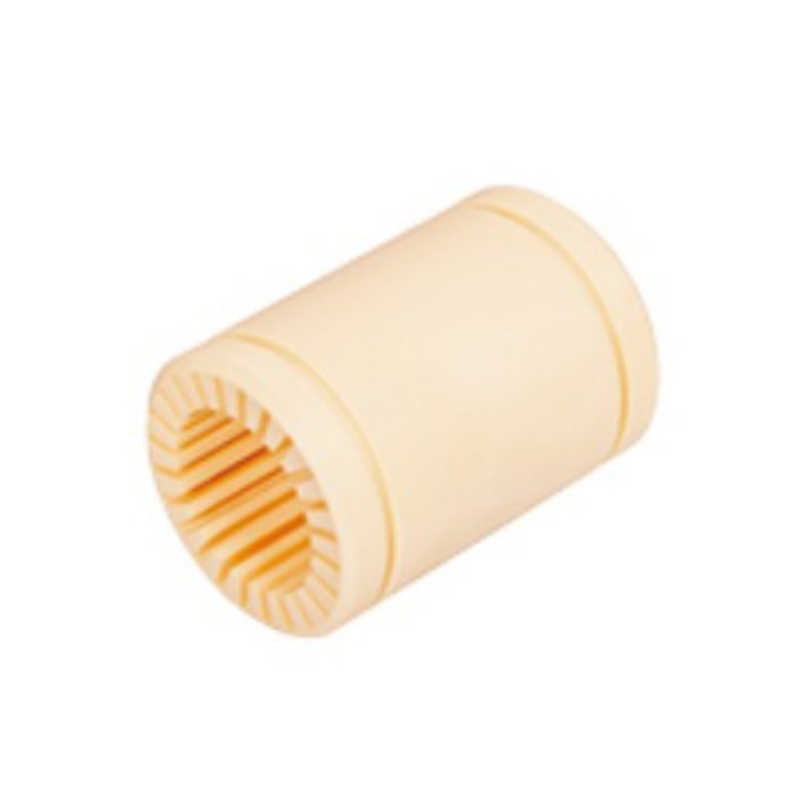
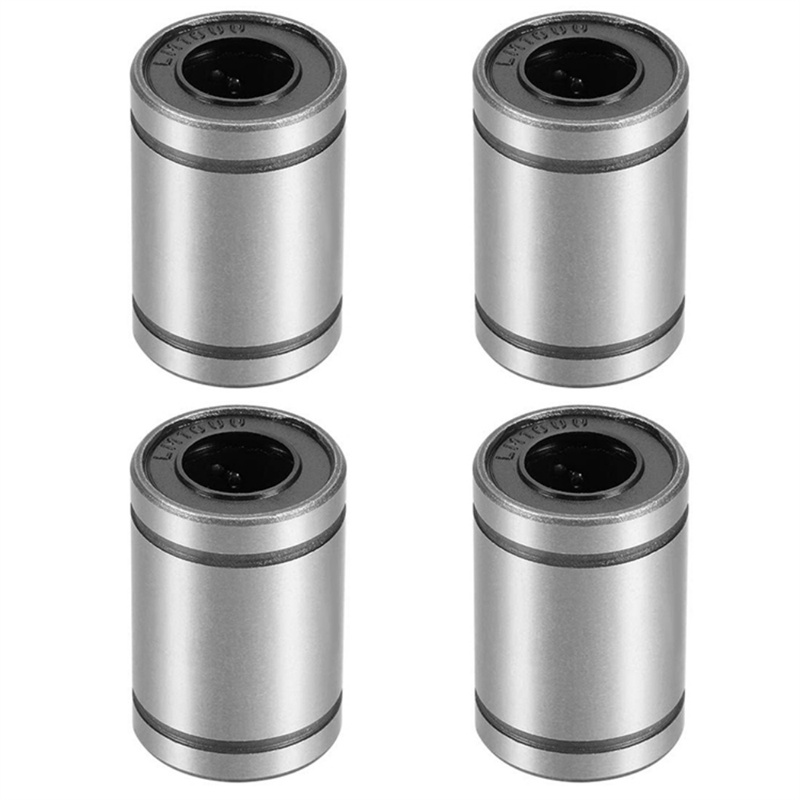
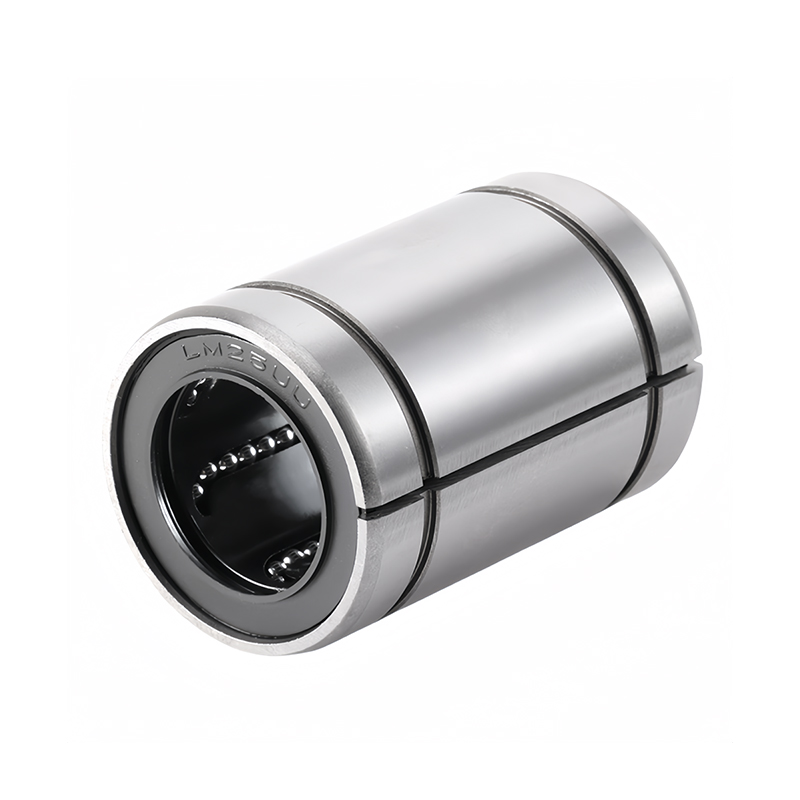
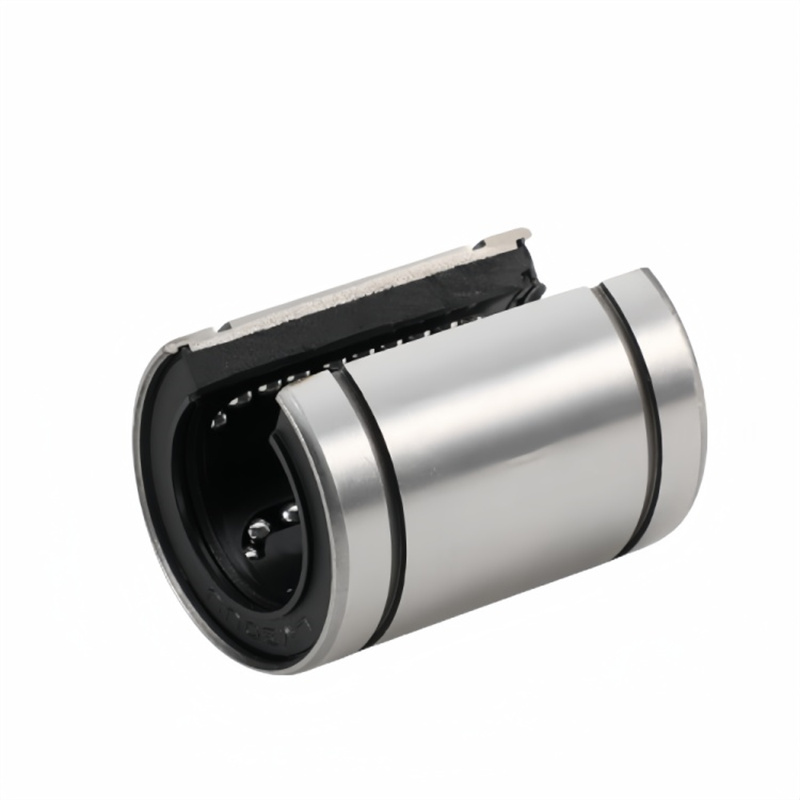
Introduction to KH Linear Bearings
Product Overview
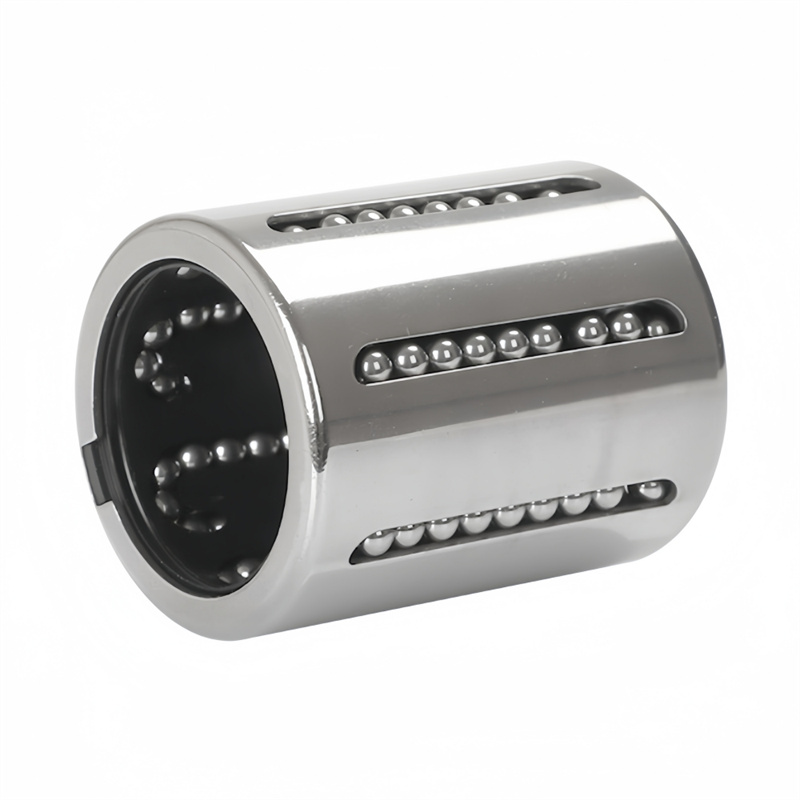
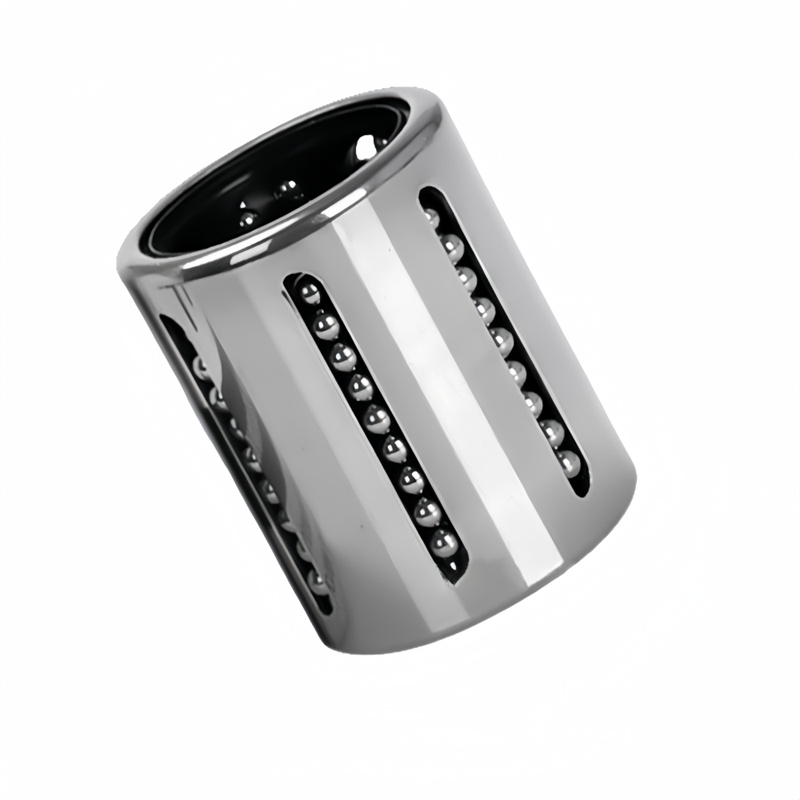
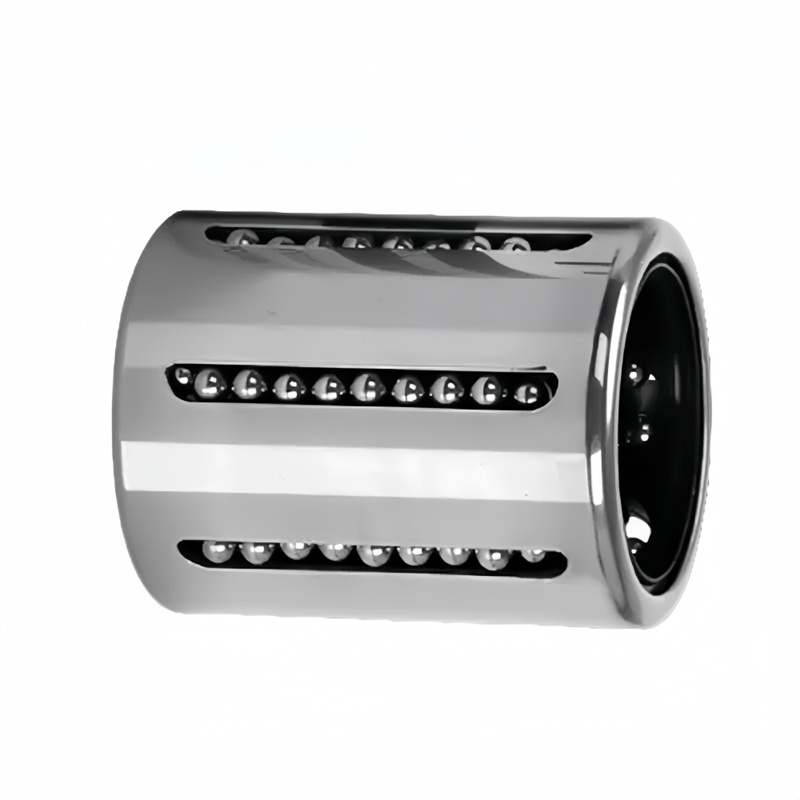
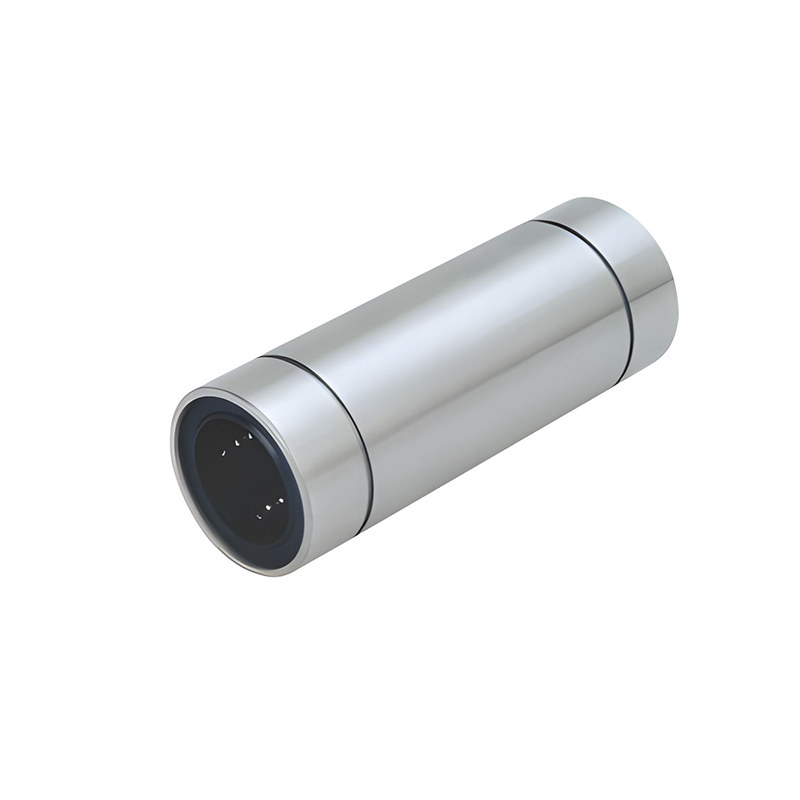
The KH series linear bearing is a compact linear motion component featuring a ball recirculation structure. Its core function is to provide high-precision, low-friction axial linear guidance for equipment, making it widely applicable to various mechanical systems that require limited installation space and high motion stability. As a representative series of recirculating linear ball bearings, it integrates light weight, high rigidity, and durability. When paired with precision shafts, it enables efficient motion transmission with long travel and low wear, suitable for diverse scenarios ranging from light-duty equipment to medium-heavy industrial machinery. It is also one of the core basic components in fields such as automation and precision manufacturing.
Structure and Materials
(1) Core Structure
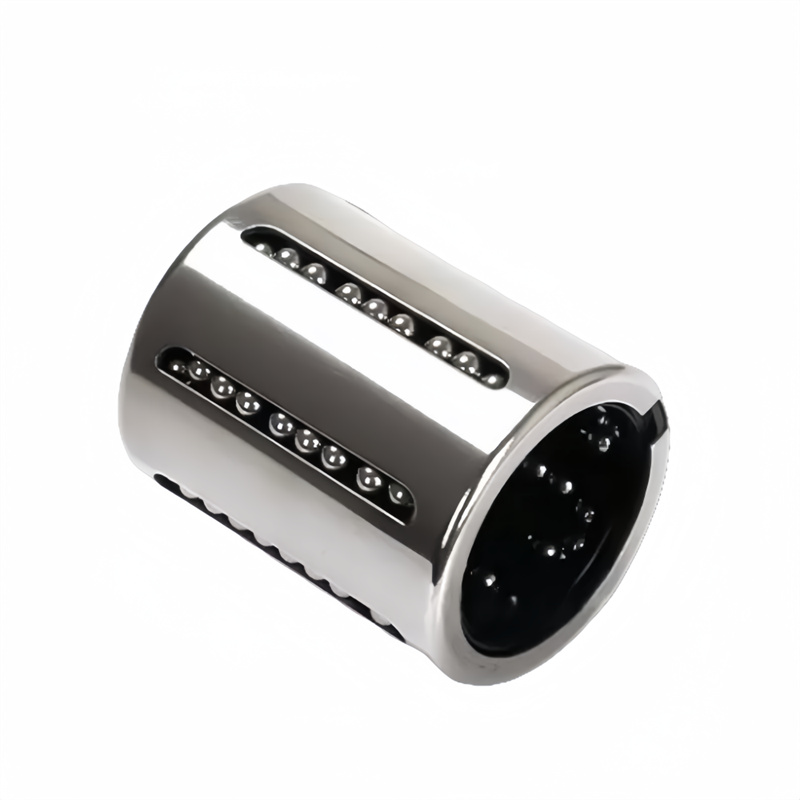
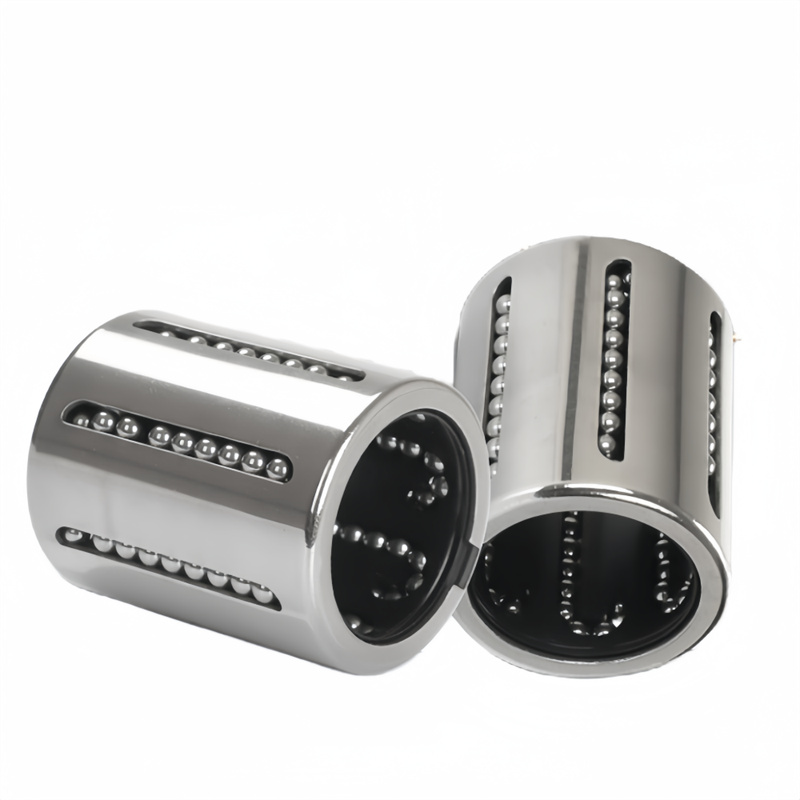
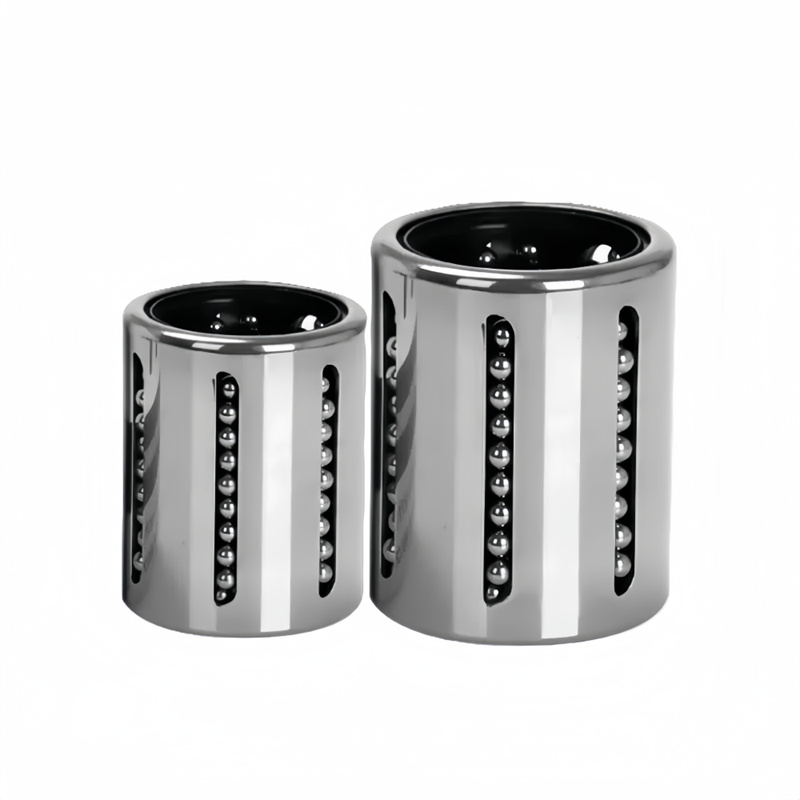
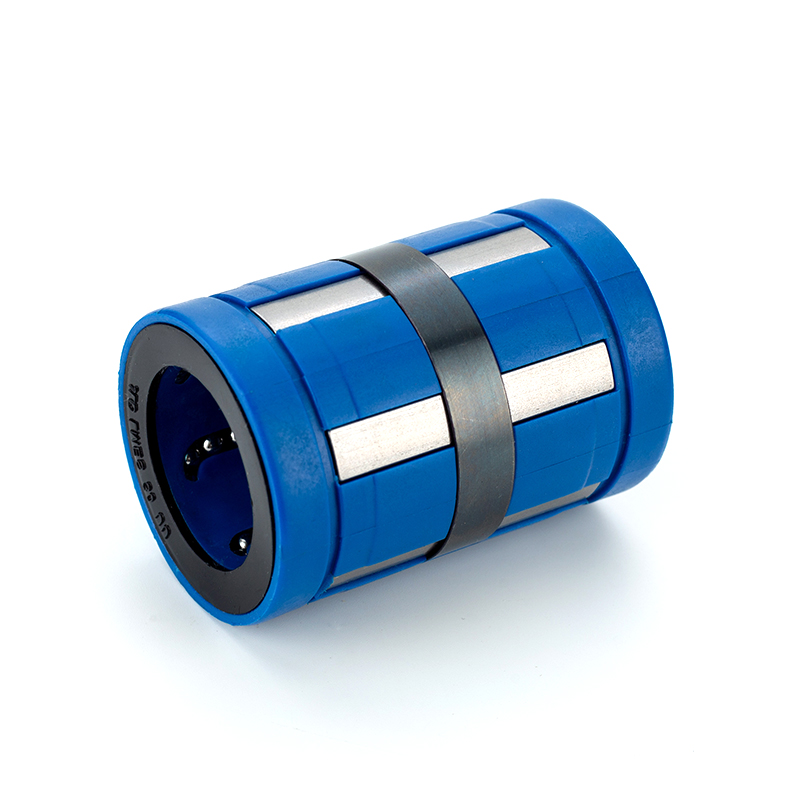
The KH linear bearing mainly consists of three core components: an outer ring, rolling elements (balls), and a cage. Some models are equipped with double-sided seals (marked as PP) to form a closed structure. The outer ring is manufactured via precision stamping, with a low-profile cross-sectional design to achieve a compact layout. The cage evenly separates the balls and guides them to perform infinite recirculating linear motion between the shaft and the outer ring, preventing ball deviation and collision while ensuring smooth motion. The seals effectively block dust and impurities from entering the bearing and reduce grease leakage, enabling long-term service under complex working conditions.
(2) Material Selection
The scientific matching of materials is key to the KH series bearings’ high precision and long service life, with different components using suitable materials based on their functional requirements:
● Outer Ring: Mostly made of high-quality carbon steel or bearing steel, processed by precision stamping and hardening, with excellent rigidity, wear resistance and impact resistance, capable of withstanding a certain radial load.
● Balls: Mainly adopt GCr15 bearing steel or chrome-plated steel balls, with ceramic balls used in some high-end models. Chrome-plated steel balls can effectively enhance oxidation and corrosion resistance, suitable for humid environments or those containing mild chemical media; ceramic balls are lighter, have low inertia and are anti-electromagnetic interference, making them suitable for high-end precision applications such as medical and electronic equipment.
● Cage: Commonly made of polymer materials such as nylon and PTFE through injection molding, it integrates light weight, low friction, and wear resistance. This design reduces noise and wear during ball movement while lowering the bearing’s overall weight.
Specifications, Models and Core Parameters
(1) Specification Range
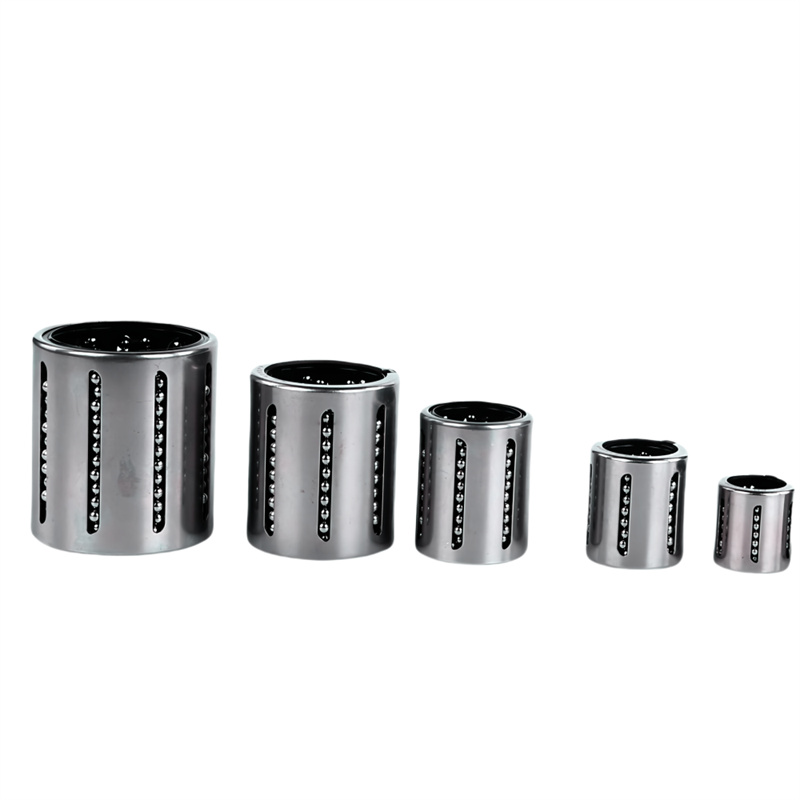
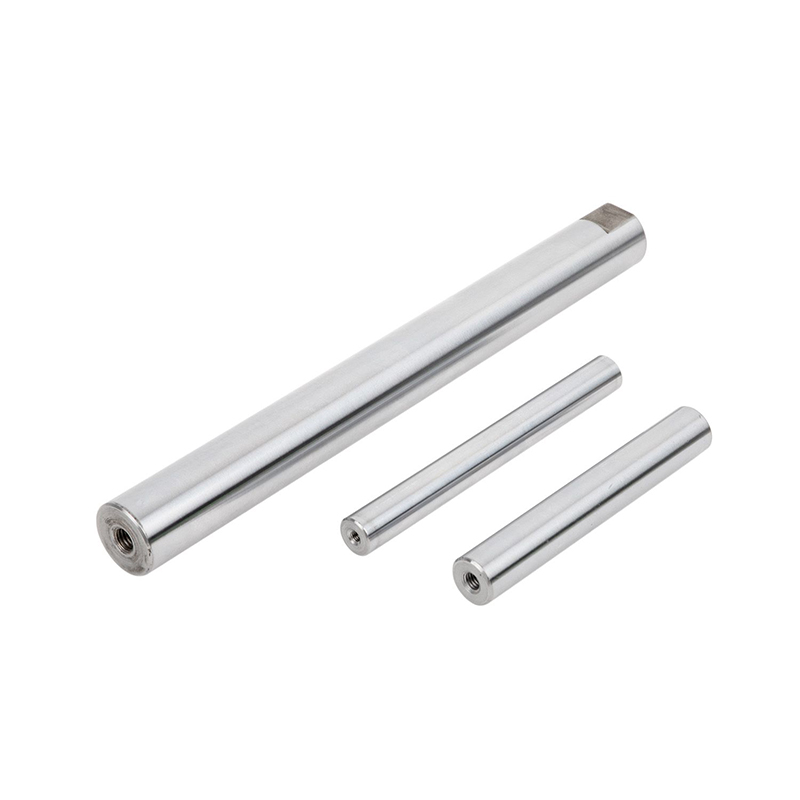
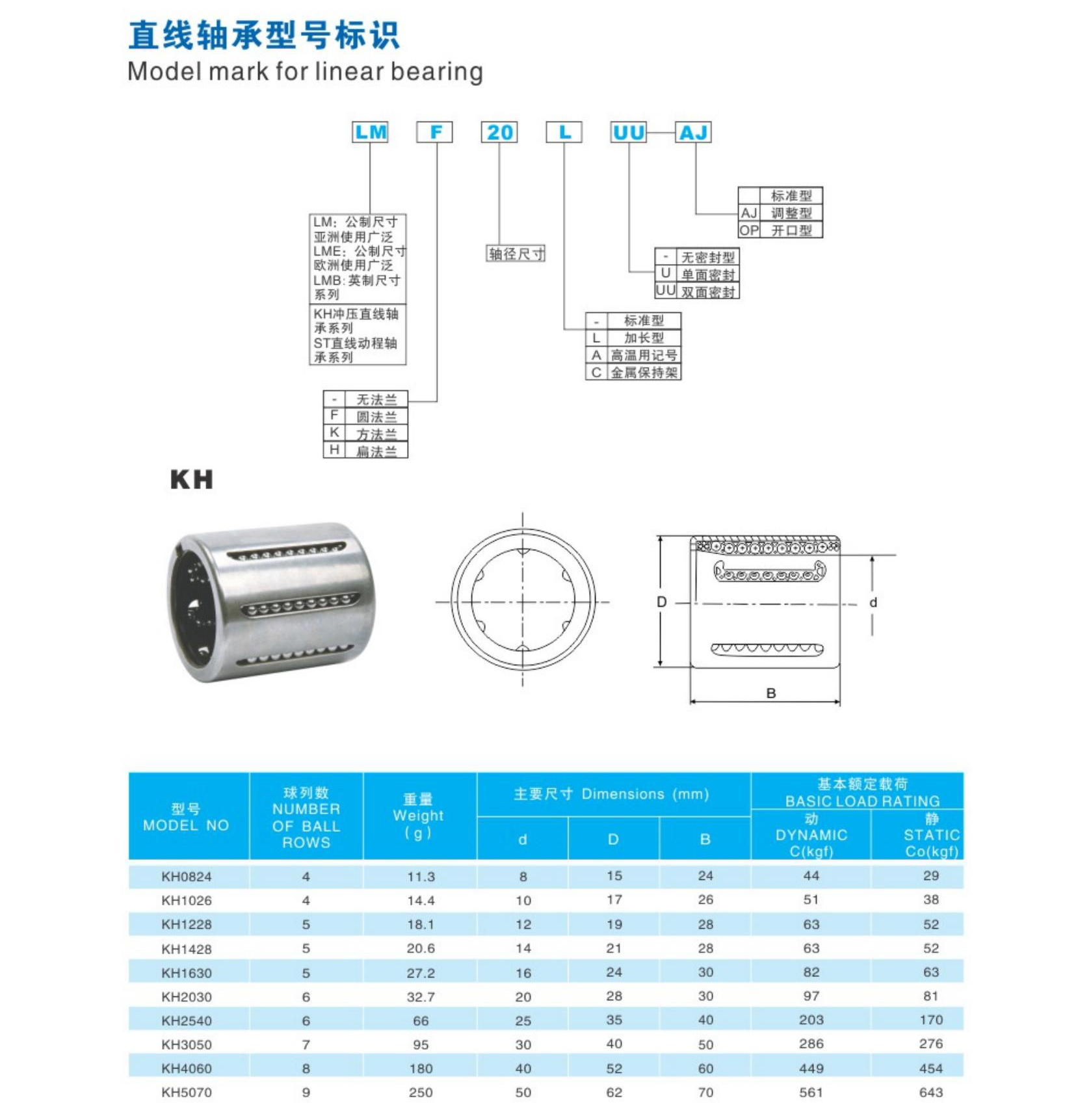
The KH series linear bearings offer complete specifications, with applicable shaft diameters ranging from 6mm to 62mm and lengths from 22mm to 70mm. Some models can be customized with a maximum cage length of 2000mm to meet the installation and motion requirements of different equipment. Common core models include KH15, KH20, KH25, KH30, and KH35, with model designations usually corresponding to applicable shaft diameters for easy selection and matching.
(2) Key Parameters
Different KH bearing models vary in load capacity, number of balls, and other parameters to suit different load scenarios. Key reference parameters are as follows:
● KH15: Applicable shaft diameter of 15mm, equipped with 15 balls, rated load up to 40kg. Focused on miniaturization, it is suitable for compact machinery and robotic arms.
● KH20: Applicable shaft diameter of 20mm, equipped with 17 steel balls, rated load of 80kg. It is suitable for small CNC machine tools, 3D printers, and similar equipment.
● KH25: Applicable shaft diameter of 25mm, equipped with 22 balls, rated load of 160kg. Suitable for large industrial automation equipment, it balances efficiency and stability.
● KH30: Applicable shaft diameter of 30mm, equipped with 24 balls, rated load of 200kg. Designed for heavy load capacity, it is suitable for conveyors, large machinery, and other heavy-load scenarios.
● KH35: Applicable shaft diameter of 35mm, equipped with 28 steel balls, rated load of 300kg. Suitable for high-precision robotic arms and automatic testing equipment, it balances precision and durability.
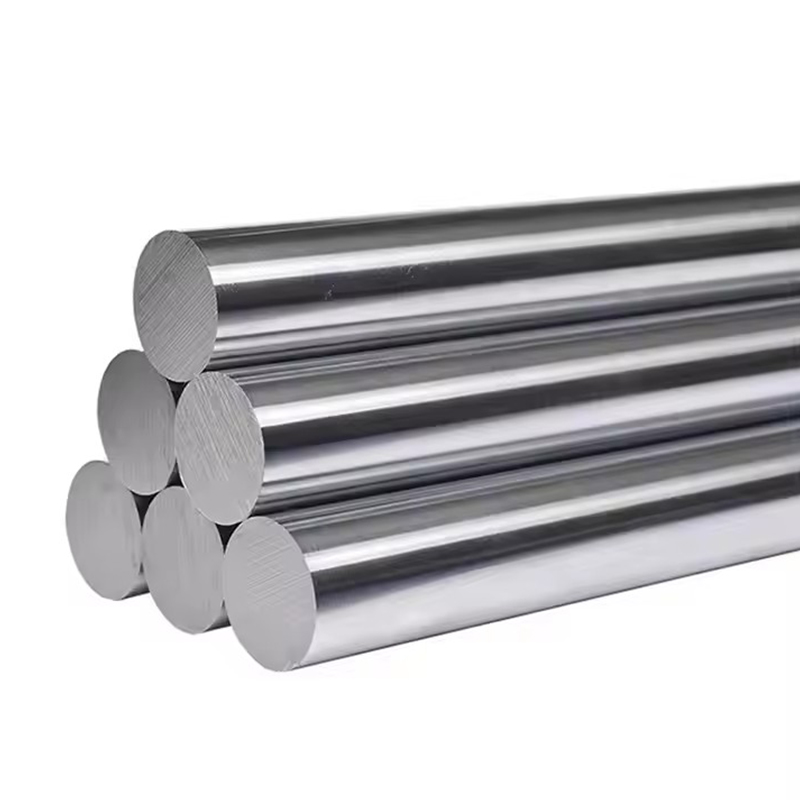
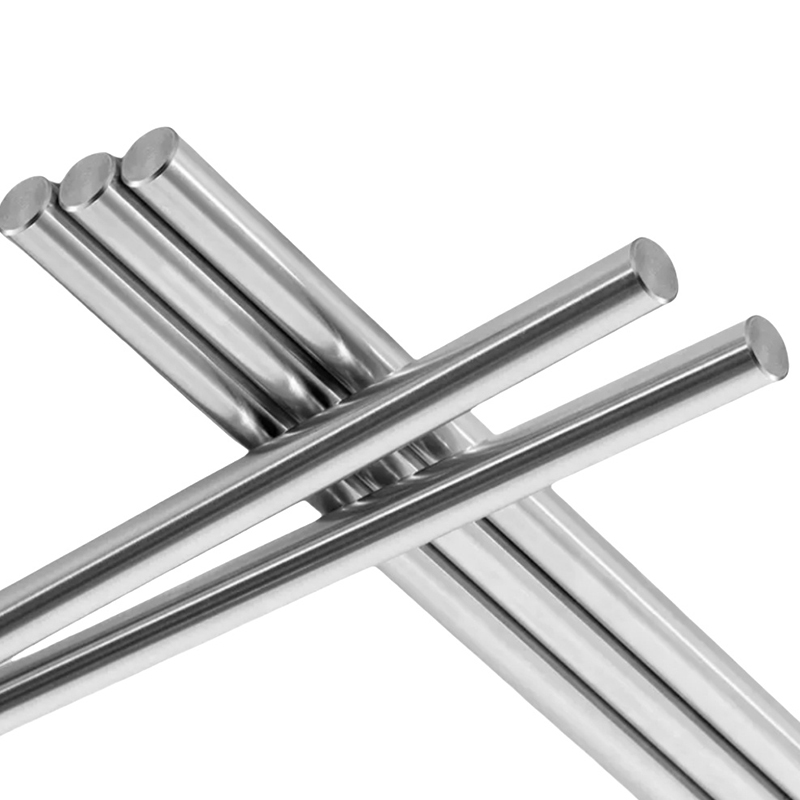
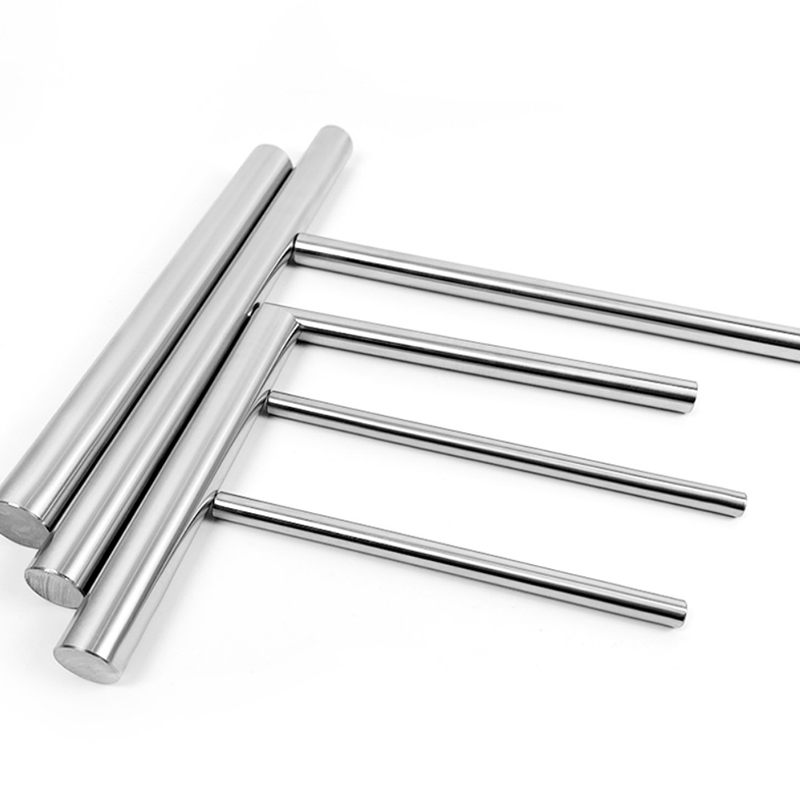
In addition, the KH series bearings have a static load range of 240N to 6300N. The applicable shaft raceway must be hardened (to a hardness of 670-840HV) and ground to ensure motion precision and extend bearing service life.
Core Performance Advantages
(1) Compact and Lightweight, Strong Adaptability
Compared with standard linear bearings, the KH series adopts a low-profile cross-sectional design, featuring a compact structure and light weight. It can flexibly adapt to scenarios with limited installation space, such as small precision instruments and robotic arm ends, without compromising the equipment’s overall lightweight layout.
(2) High Precision, Low Friction and Smooth Motion
By leveraging the principle of ball recirculating rolling instead of traditional sliding friction, the series achieves a friction coefficient as low as 0.001~0.003, effectively reducing motion resistance and wear. The cage’s precise guiding design prevents ball deviation, ensuring smooth linear motion with high repeat positioning accuracy—ideal for applications requiring strict motion precision, such as precision machining and medical testing.
(3) Wide Load Adaptation and Excellent Durability
The series covers light to medium-heavy load scenarios, with rated loads ranging from 40kg to 300kg for flexible selection based on equipment requirements. Core components are made of high-quality wear-resistant materials and processed via special hardening; combined with the seals’ protective effect, this design effectively extends bearing service life, reduces equipment maintenance frequency and costs, and adapts to industrial scenarios requiring long-term continuous operation.
(4) Easy Installation and Strong Versatility
Adopting a standardized structural design, the outer ring is cylindrical with flexible installation methods, allowing direct pairing with precision shafts without complex adaptation or modification. With complete specifications suitable for various shaft diameters, it offers strong versatility and can widely replace similar linear bearings, meeting the upgrading and modification needs of various general machinery and special equipment.
Applicable Industries and Scenarios
With its compact structure, high precision, and multi-load adaptability, the KH series linear bearings are widely used in linear motion systems across multiple industries. Core application scenarios include:
● Automation and Robotics: Robotic arm joint guidance, XYZ modules, handling platforms, dispensing machines, and soldering machines. It meets the requirements of high-frequency reciprocating motion and high-precision positioning, enhancing production line efficiency and stability.
● Precision Machining and Machine Tools: Small CNC machine tools, laser cutting machines, engraving machines, and visual inspection platforms. It provides stable guidance for precision machining components, ensuring machining precision and motion smoothness.
● Medical Equipment: PCR analyzers, automatic sample dispensers, surgical instruments, and medical slides. Relying on low noise, high precision, and corrosion resistance, it meets the medical industry’s strict operational requirements and ensures reliable, accurate equipment performance.
● 3D Printing and Small Equipment: 3D printer X/Y axis motion modules, small vending machines, and projection lifting platforms. It balances a compact layout with stable motion, suitable for the operational needs of light-duty equipment.
● Heavy Industry and Logistics: Conveyor systems, large mechanical guidance mechanisms, and packaging equipment (such as labeling machines and cartoning machines). It relies on strong load capacity and durability to adapt to long-term continuous operation and reduce maintenance costs.
● Scientific Research and Experiments: University laboratory displacement platforms, optical experiment slides, and test fixtures. With its flexible combination and high precision, it adapts to the diverse needs of scientific research experiments.
Usage Notes
1. During installation, ensure the coaxiality of the shaft and bearing to avoid eccentric loading, which can accelerate wear or compromise motion precision. The shaft surface must be hardened and ground to meet the 670-840HV hardness requirement.
2. Replenish grease regularly based on operating conditions (lithium-based grease is recommended), typically every 3~6 months. The maintenance interval can be extended for sealed models to prevent component damage caused by dry friction.
3. Avoid continuous operation in environments exceeding 100℃ (nylon cages have a maximum temperature resistance of 120℃) and keep away from strong acids, strong alkalis, and other corrosive media. Select models with appropriate materials for special working conditions.
4. The KH series is designed exclusively for linear motion and must not be used for rotational motion, as this will cause bearing damage or equipment failure.


 English
 Español
 Deutsch
 عربى
عربى
 +86 17398543323